More Contacts






-
ProductsContactThe company mainly develops technologies in intense pulsed light, Laser, RF, Vacuum cavitation, and Ultrasonic.
-
OEM/ODMContactThe company mainly develops technologies in intense pulsed light, Laser, RF, Vacuum cavitation, and Ultrasonic.
-
ContactThe company mainly develops technologies in intense pulsed light, Laser, RF, Vacuum cavitation, and Ultrasonic.
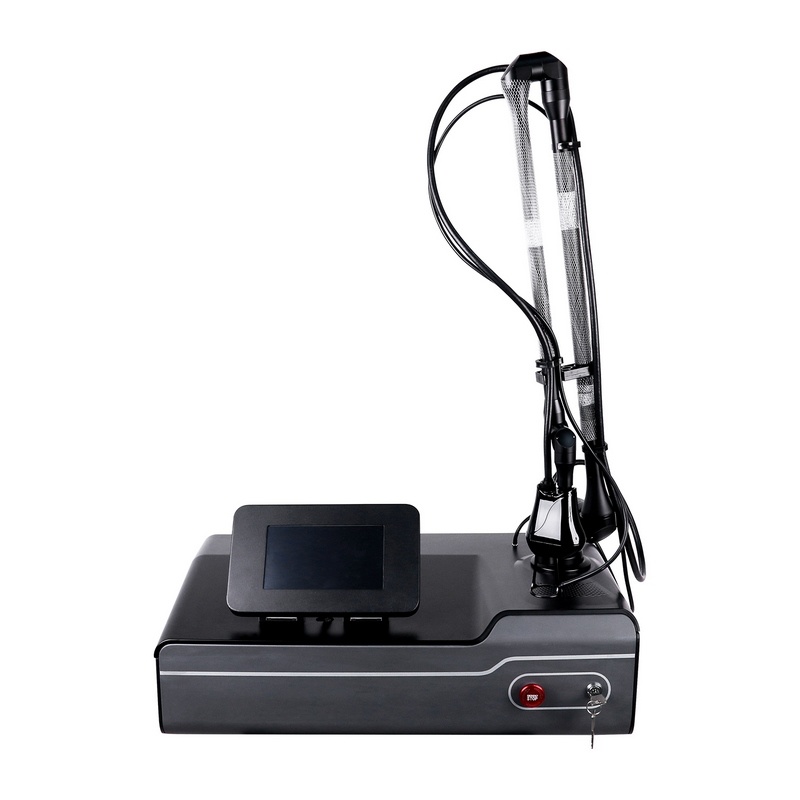
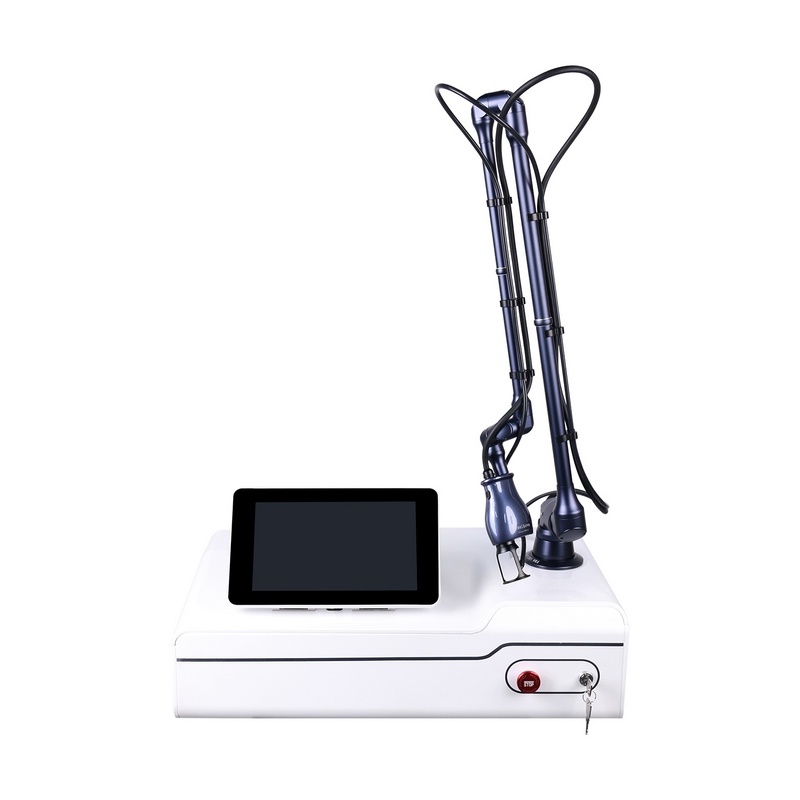
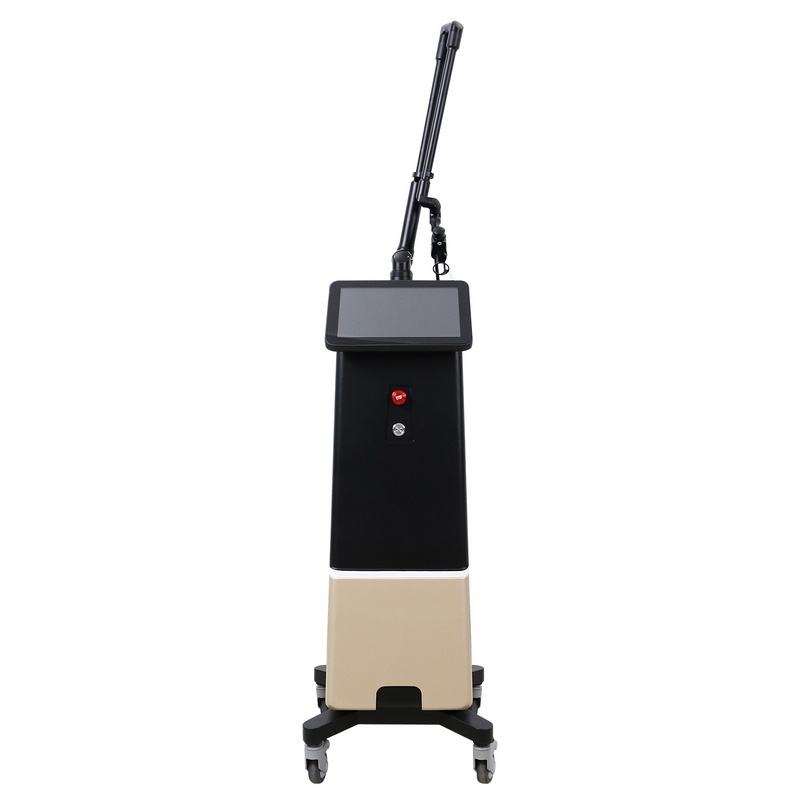
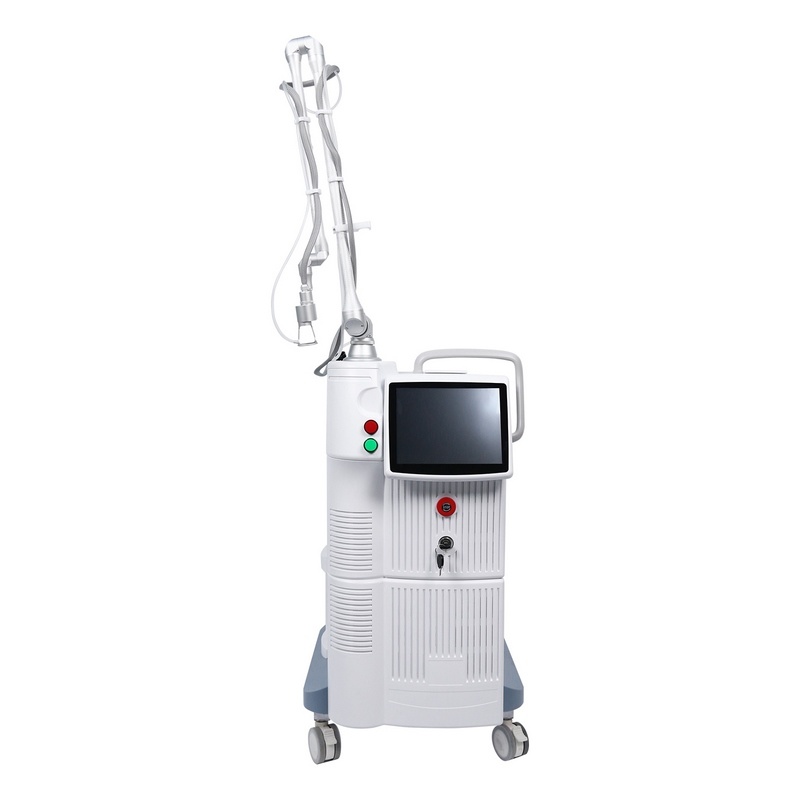
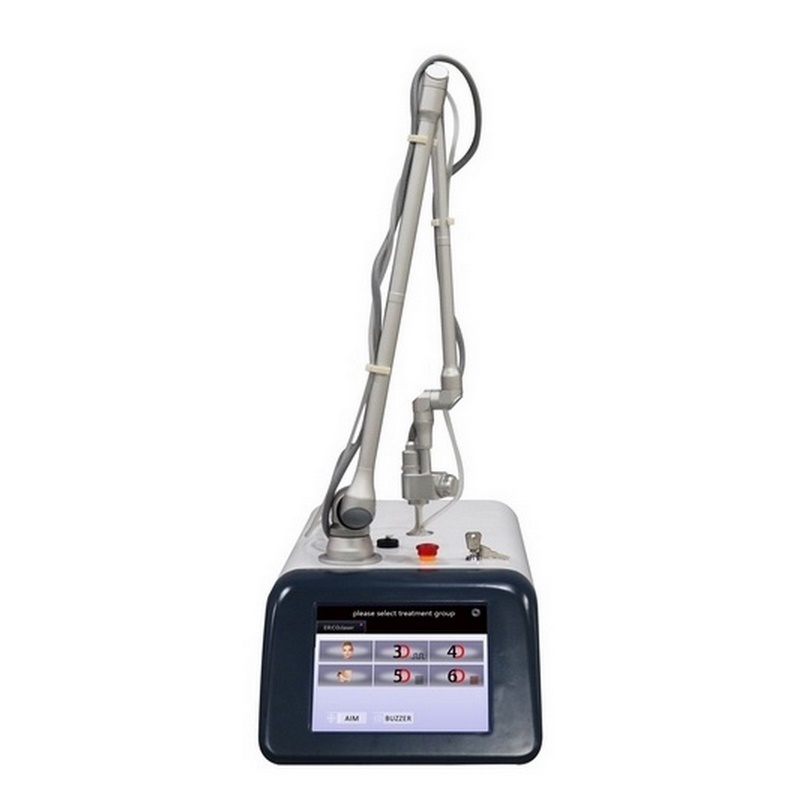
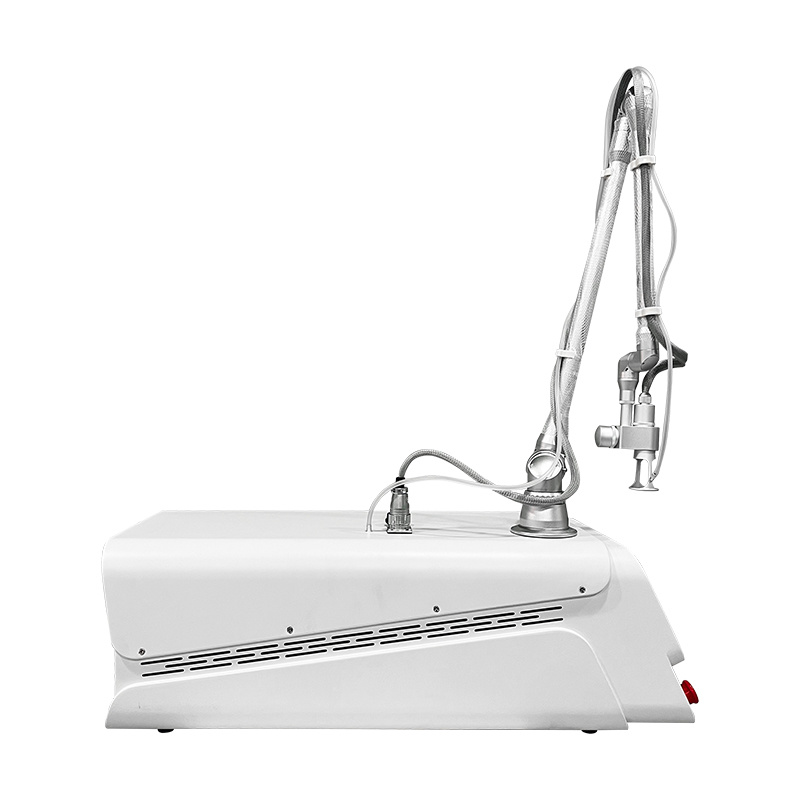
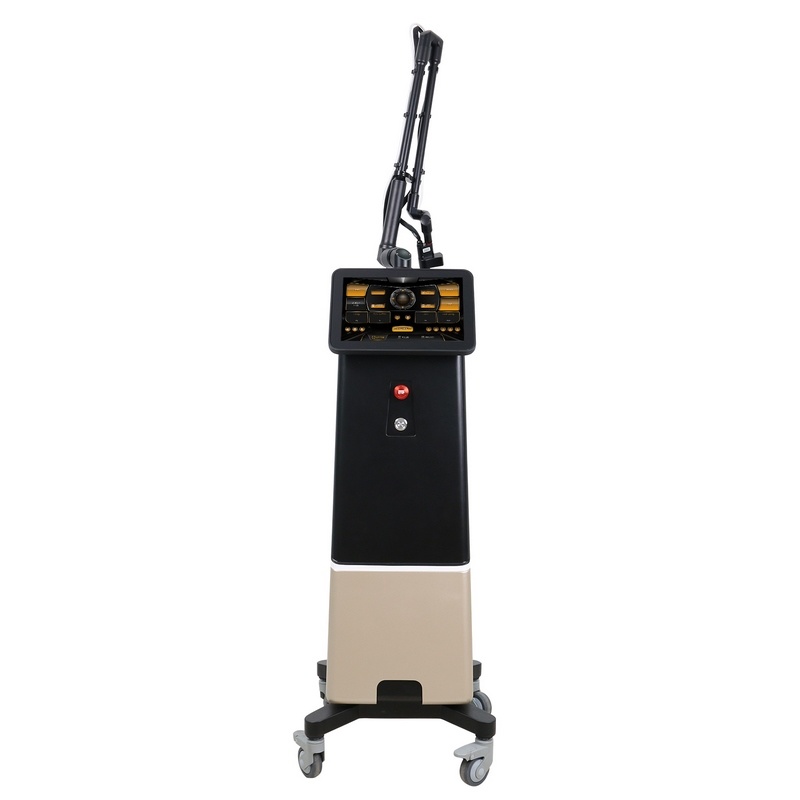
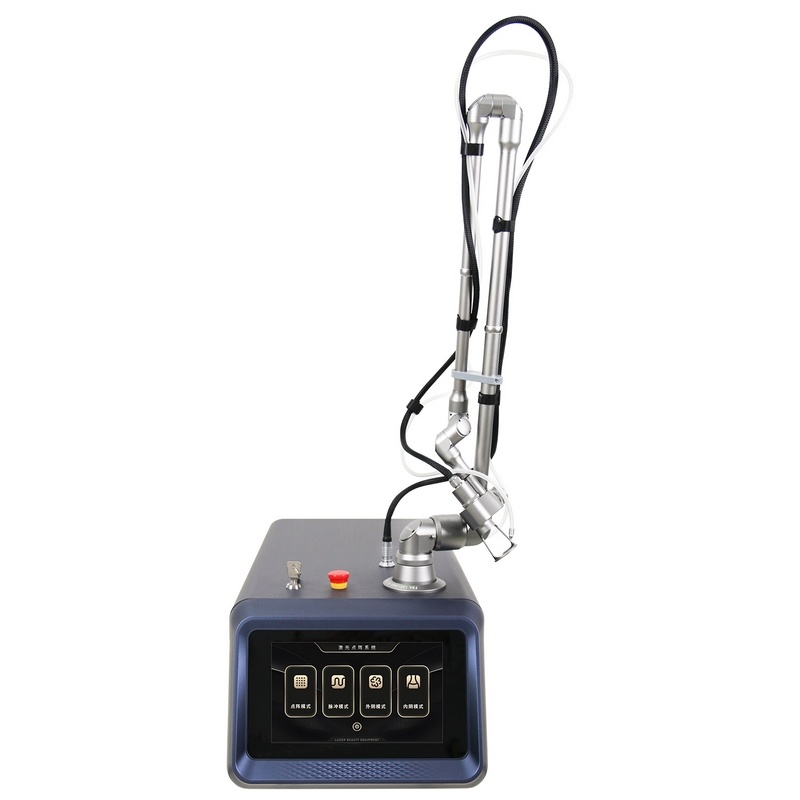
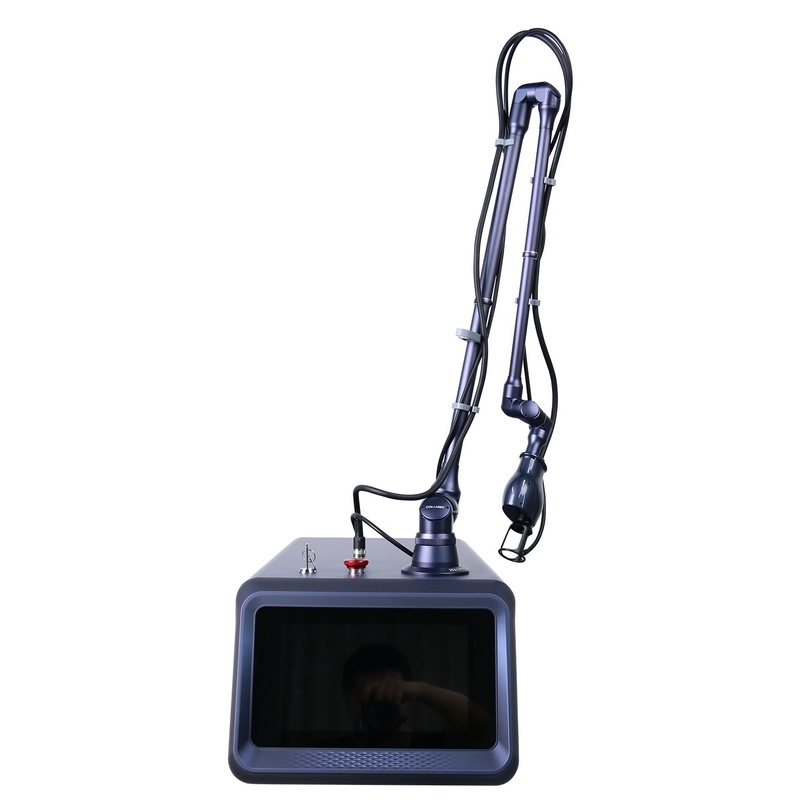
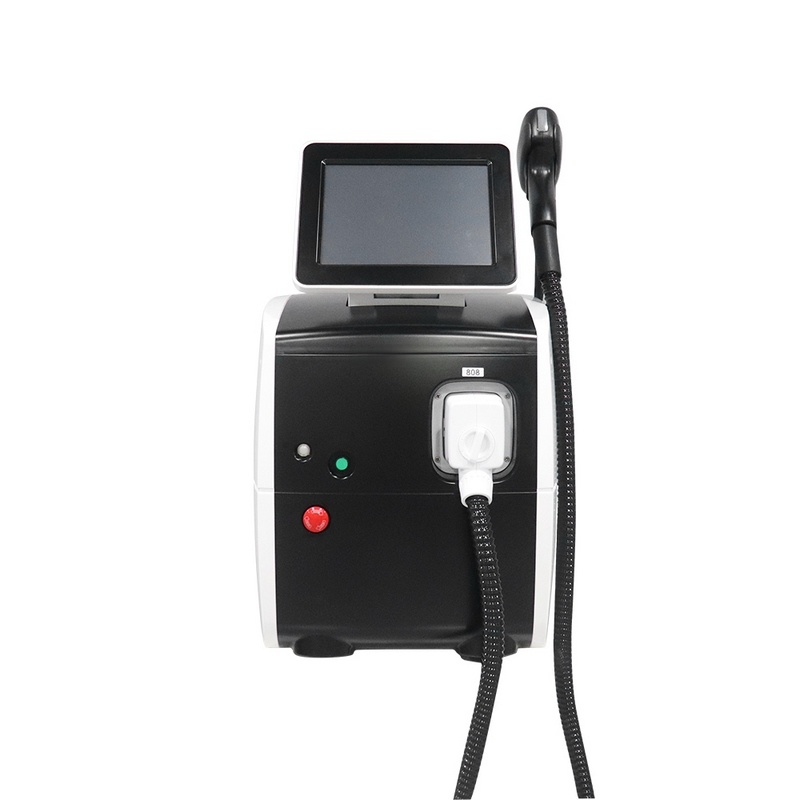
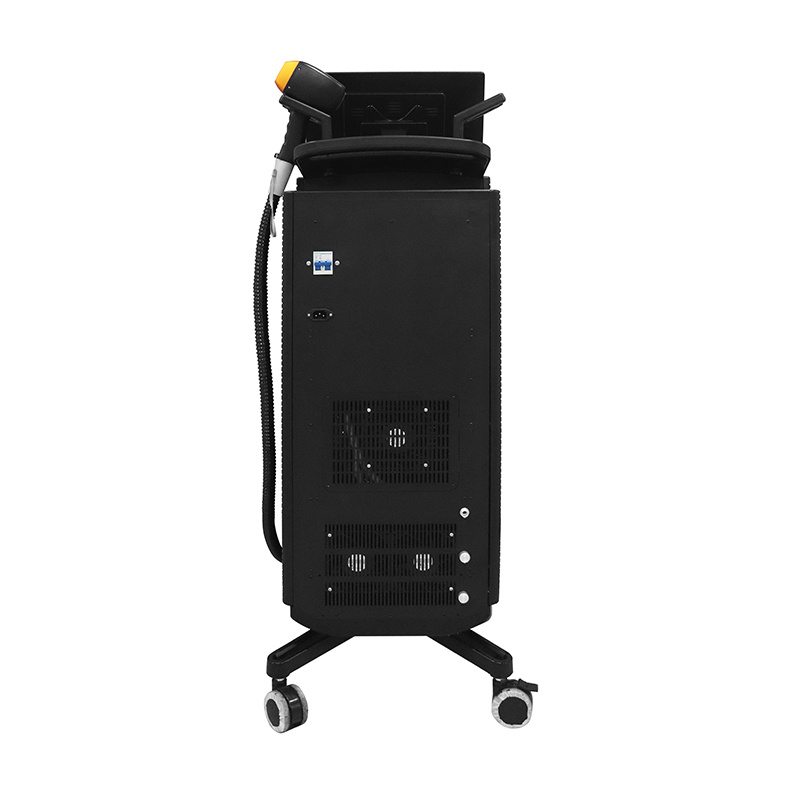
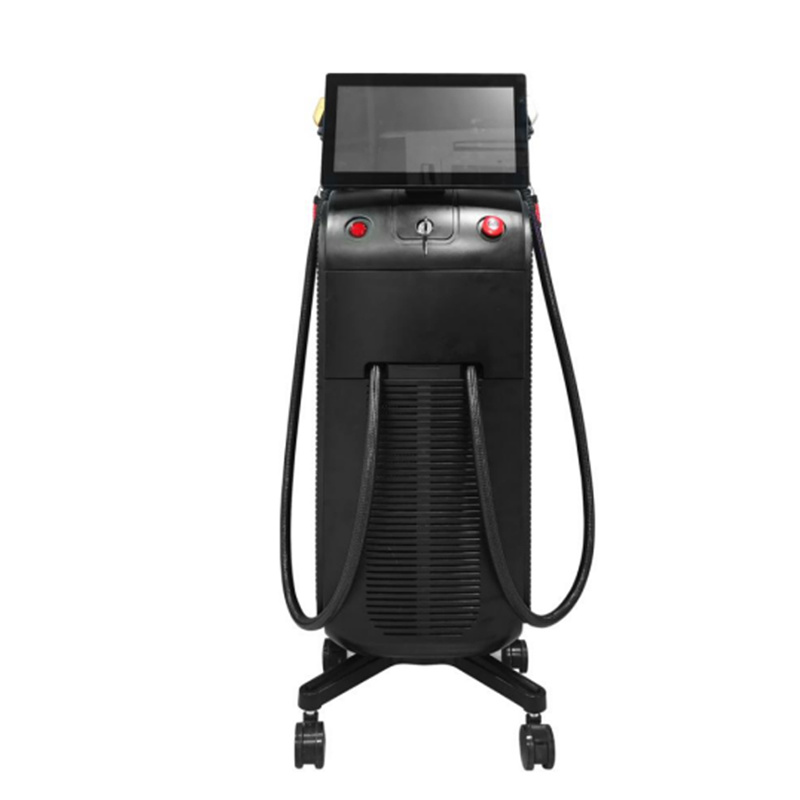
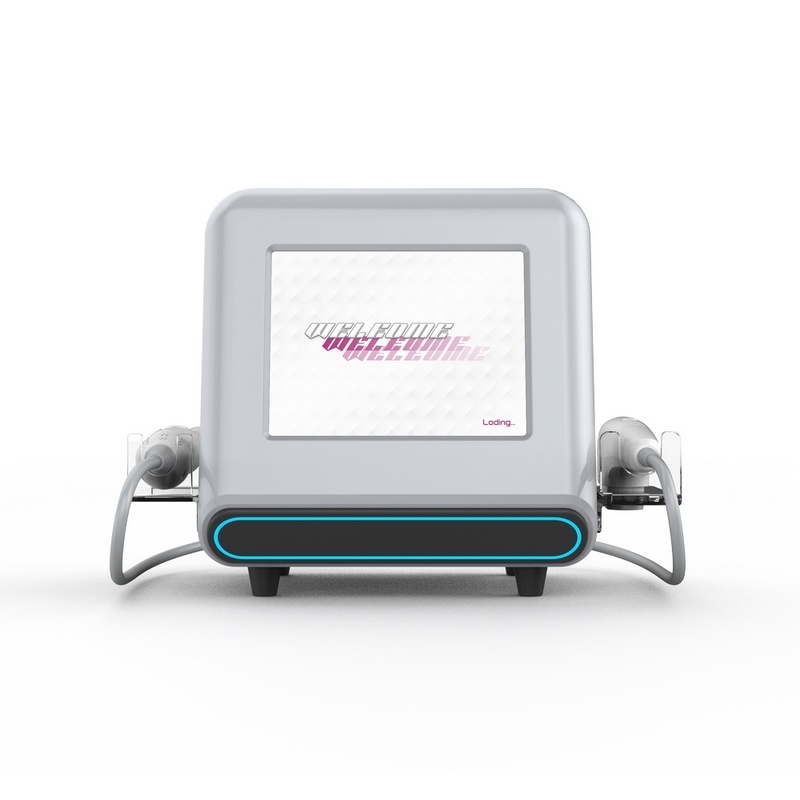
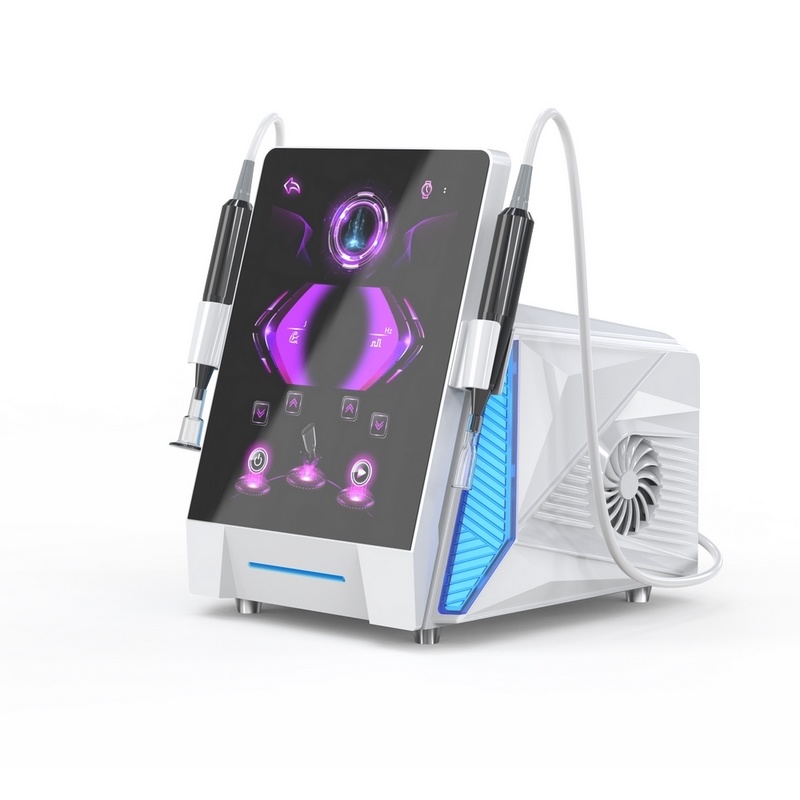
Transform Your Aesthetic Practice with Classy Fractional Laser Technology
Transform Your Aesthetic Practice with Classy Fractional Laser Technology Table of Contents Introduction to Fractional Laser Technology Understanding Fractional Laser Technology Benefits of Classy Fractional Lasers in Aesthetic Medicine How Do Fractional Lasers Work? Types of Fractional Lasers Common Treatment Applications of Fractional Laser Technology What Patients C
Jan 29,2026
Transform Your Aesthetic Practice with Classy Fractional Laser Technology
Table of Contents
- Introduction to Fractional Laser Technology
- Understanding Fractional Laser Technology
- Benefits of Classy Fractional Lasers in Aesthetic Medicine
- How Do Fractional Lasers Work?
- Types of Fractional Lasers
- Common Treatment Applications of Fractional Laser Technology
- What Patients Can Expect from Fractional Laser Treatments
- Choosing the Right Fractional Laser System for Your Practice
- Conclusion
- FAQs about Fractional Laser Technology
Introduction to Fractional Laser Technology
In today’s fast-paced aesthetic industry, practitioners continually seek innovative modalities to enhance their offerings and improve patient satisfaction. **Fractional laser technology** has emerged as a groundbreaking solution, allowing for effective skin rejuvenation with minimal downtime. By targeting specific areas of the skin, fractional lasers promote natural healing processes, leading to improved skin texture, tone, and overall appearance.
This article delves into the intricacies of **classy fractional laser technology**, exploring its benefits, mechanisms, and applications. We aim to equip aesthetic practitioners with the knowledge to make informed decisions about incorporating this technology into their practices.
Understanding Fractional Laser Technology
Fractional laser technology represents a significant advancement in non-invasive skin treatment options. Unlike traditional lasers that treat the entire skin surface, fractional lasers deliver energy in a fractional manner, creating micro-injuries in the skin while leaving surrounding areas intact. This method facilitates faster healing and stimulates collagen production, resulting in enhanced skin regeneration.
How Fractional Lasers Differ from Traditional Lasers
Traditional lasers often cause extensive damage to the treatment area, resulting in longer recovery times and heightened risk of complications. In contrast, fractional lasers allow practitioners to customize treatments based on individual patient needs, providing a more tailored approach to skin rejuvenation.
Targeting Specific Skin Concerns
Fractional lasers can effectively treat various skin concerns, including:
- **Fine lines and wrinkles**
- **Acne scars**
- **Sun damage**
- **Age spots**
- **Uneven skin texture**
By understanding the mechanisms of fractional lasers, practitioners can design more effective treatment plans that address specific patient concerns.
Benefits of Classy Fractional Lasers in Aesthetic Medicine
Incorporating classy fractional laser technology into an aesthetic practice offers a myriad of benefits, enhancing both patient satisfaction and the practice's overall reputation in the industry.
Minimal Downtime and Recovery
One of the most significant advantages of fractional lasers is the minimal downtime associated with treatments. Patients can typically resume their daily activities shortly after the procedure, making it an appealing option for those with busy lifestyles.
Customizability and Versatility
Fractional lasers allow for a high degree of customization. Practitioners can adjust the treatment parameters, including energy levels and pulse durations, to accommodate different skin types and concerns. This versatility ensures that patients receive personalized care tailored to their unique needs.
Improved Results with Fewer Treatments
Patients often experience significant improvements in their skin texture and appearance after just a few sessions. The stimulating effects of fractional laser treatment promote long-lasting results, reducing the need for frequent touch-ups.
How Do Fractional Lasers Work?
To comprehend the effectiveness of fractional lasers, it’s essential to understand their working mechanism. Fractional lasers emit light energy that penetrates the skin to create controlled thermal damage. This process triggers the body’s natural healing response, stimulating collagen and elastin production.
The Healing Process
As the body repairs the micro-injuries, new, healthier skin cells replace the damaged ones. The result is smoother, firmer skin with an improved tone and texture. This healing process is what sets fractional lasers apart from other treatment modalities.
Types of Energy Used
Different fractional lasers utilize varying energy sources, including:
- **Ablative lasers** (e.g., CO2 lasers)
- **Non-ablative lasers** (e.g., Er:YAG lasers)
Each type has its unique benefits and applications, allowing practitioners to choose the most appropriate option based on their patients' needs.
Types of Fractional Lasers
Understanding the different types of fractional lasers is crucial for practitioners looking to integrate this technology into their practice.
Ablative Fractional Lasers
Ablative fractional lasers remove the outer layers of skin, resulting in more dramatic improvements in skin texture and tone. They are ideal for treating deep wrinkles, severe acne scars, and significant sun damage. However, they may require longer recovery times compared to non-ablative options.
Non-Ablative Fractional Lasers
Non-ablative fractional lasers work by heating the dermis without damaging the epidermis. These lasers are perfect for patients seeking subtle improvements with minimal downtime. They are often used for fine lines, mild skin laxity, and improving overall skin tone.
Common Treatment Applications of Fractional Laser Technology
Classy fractional laser technology has a broad range of applications in aesthetic medicine, allowing practitioners to address various skin concerns effectively.
Skin Resurfacing
Fractional lasers are highly effective for skin resurfacing, smoothing out wrinkles, fine lines, and uneven skin tones. By stimulating collagen production, these treatments lead to healthier, more radiant skin.
Scar Treatment
Patients with acne scars, surgical scars, or other types of scarring often benefit from fractional laser treatments. The lasers encourage skin regeneration, significantly reducing the appearance of scars over time.
Stretch Mark Reduction
Fractional lasers can also diminish the visibility of stretch marks by promoting new collagen formation in the affected areas, leading to smoother skin.
What Patients Can Expect from Fractional Laser Treatments
Setting the right expectations is vital for patient satisfaction. Here’s what patients can anticipate when undergoing fractional laser treatments.
Pre-Treatment Consultation
Before any treatment, a thorough consultation will assess the patient’s skin type, concerns, and desired outcomes. This step is crucial for determining the most suitable treatment plan.
During the Treatment
During the procedure, patients may experience mild discomfort, often described as similar to a rubber band snap. Most practitioners apply topical anesthetics to enhance comfort during the session.
Post-Treatment Care
Following the treatment, patients may experience redness, swelling, and a sensation similar to sunburn. Proper aftercare, including moisturization and sun protection, is essential for optimal results.
Choosing the Right Fractional Laser System for Your Practice
Selecting the appropriate fractional laser system is a crucial decision for any aesthetic practice. Several factors should be considered:
Technology and Features
Look for systems that offer versatility, customizable settings, and user-friendly interfaces. Advanced technology can enhance treatment efficacy and patient outcomes.
Manufacturer Reputation
Choose a reputable manufacturer known for quality and reliability. Reading reviews and seeking recommendations from fellow practitioners can provide valuable insights.
Training and Support
Ensure that the manufacturer offers comprehensive training and ongoing support. This will help you and your staff quickly become proficient in using the new technology.
Conclusion
Integrating classy fractional laser technology into your aesthetic practice can significantly enhance your service offerings and improve patient satisfaction. By understanding the benefits, mechanisms, and applications of fractional lasers, practitioners can make informed decisions that elevate their practices. With the right training, technology, and patient education, you can transform your aesthetic practice and provide your patients with the results they desire.
FAQs about Fractional Laser Technology
1. How many treatments are needed for optimal results?
Most patients require a series of 3 to 5 treatments spaced several weeks apart to achieve optimal results, depending on their skin concerns.
2. Is fractional laser treatment painful?
While some discomfort may be experienced, most practitioners apply topical anesthetics to minimize pain during the procedure.
3. What is the downtime associated with fractional laser treatments?
Downtime varies depending on the type of fractional laser used. Non-ablative lasers typically involve minimal downtime, while ablative lasers may require several days for recovery.
4. Are fractional laser treatments safe for all skin types?
Fractional lasers can be safe for various skin types; however, a thorough consultation is essential to determine the most suitable treatment for each individual.
5. Can fractional laser treatments be combined with other procedures?
Yes, fractional laser treatments can often be combined with other aesthetic procedures for enhanced results, such as injectables or chemical peels.
This comprehensive guide on classy fractional laser technology can empower aesthetic practitioners to revolutionize their practices while providing exceptional care to their patients.

Contact
Email:dpl.beautytech@gmail.com
WhatsApp: +86 19988281675
Room 307, No.8, No.2 Road, Wanggang Industrial Zone, Jiahe Street, Baiyun District, Guangzhou, China
Request Quote
Note: Please be sure to fill in the information accurately and keep communication open, we will get in touch with you as soon as possible