More Contacts






-
ProductsContactThe company mainly develops technologies in intense pulsed light, Laser, RF, Vacuum cavitation, and Ultrasonic.
-
OEM/ODMContactThe company mainly develops technologies in intense pulsed light, Laser, RF, Vacuum cavitation, and Ultrasonic.
-
ContactThe company mainly develops technologies in intense pulsed light, Laser, RF, Vacuum cavitation, and Ultrasonic.
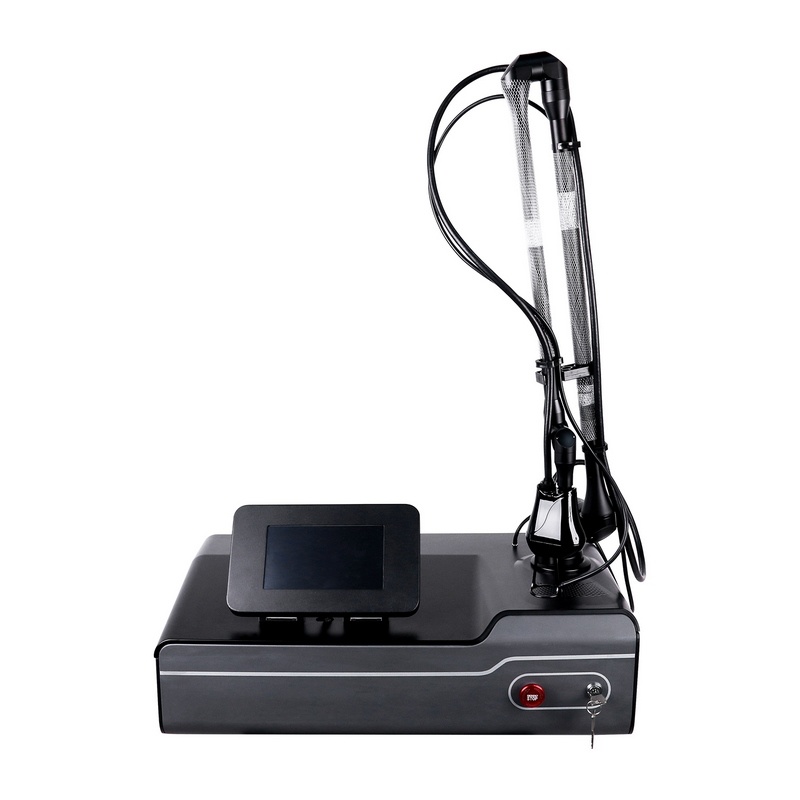
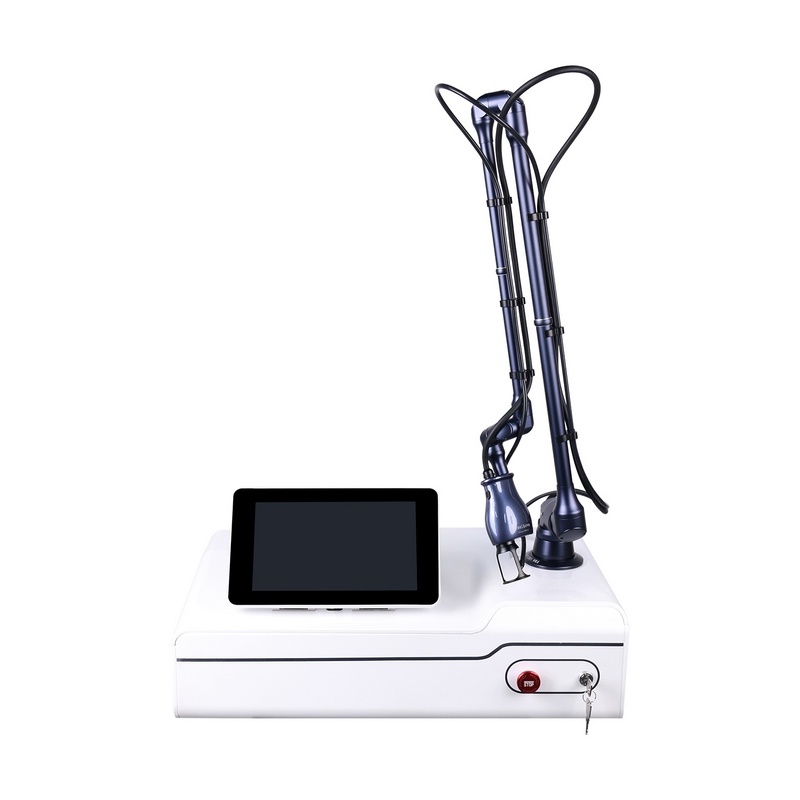
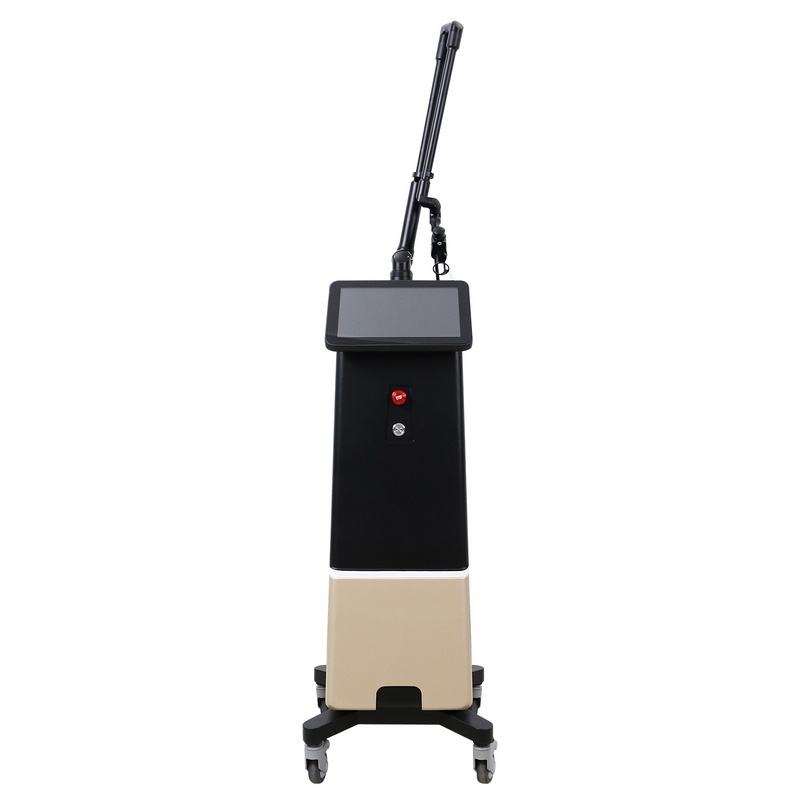
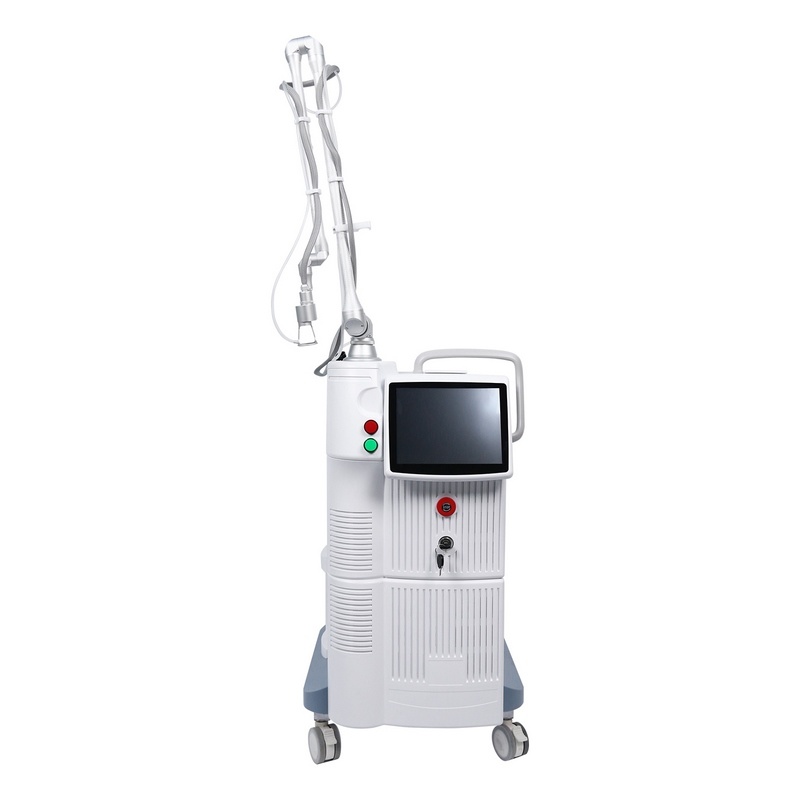
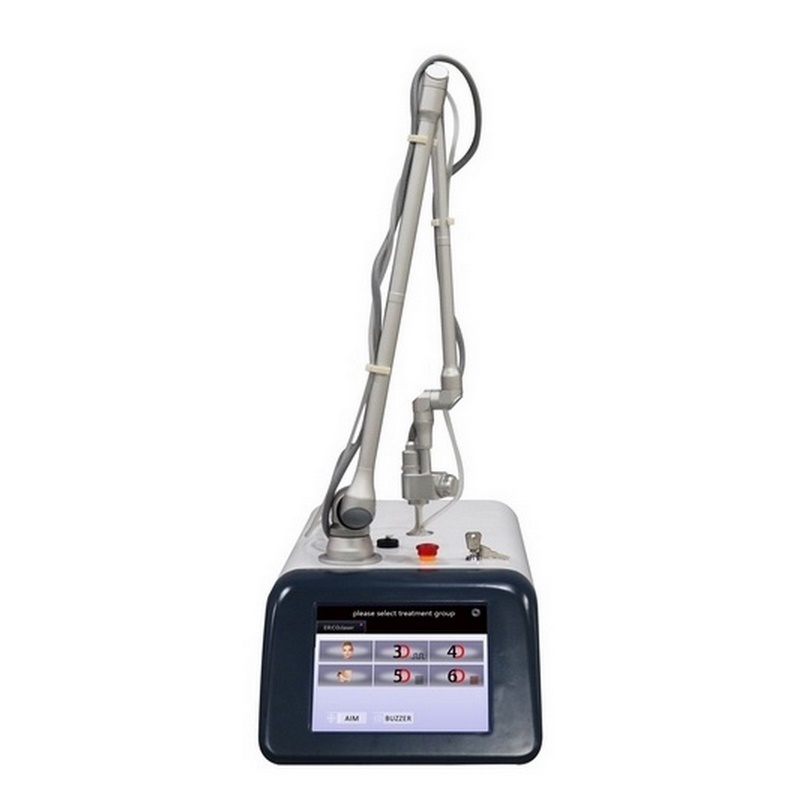
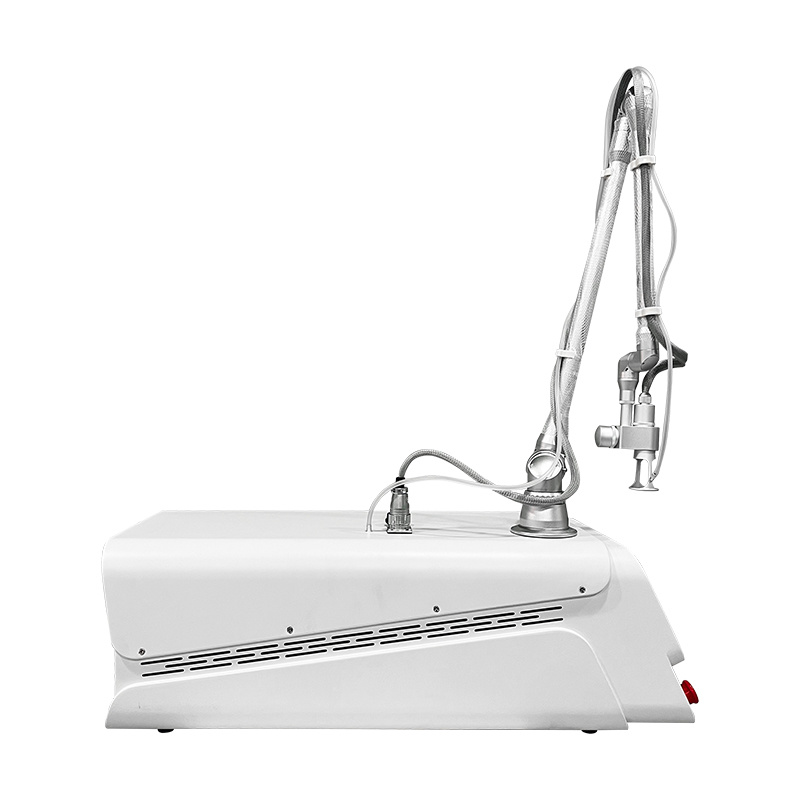
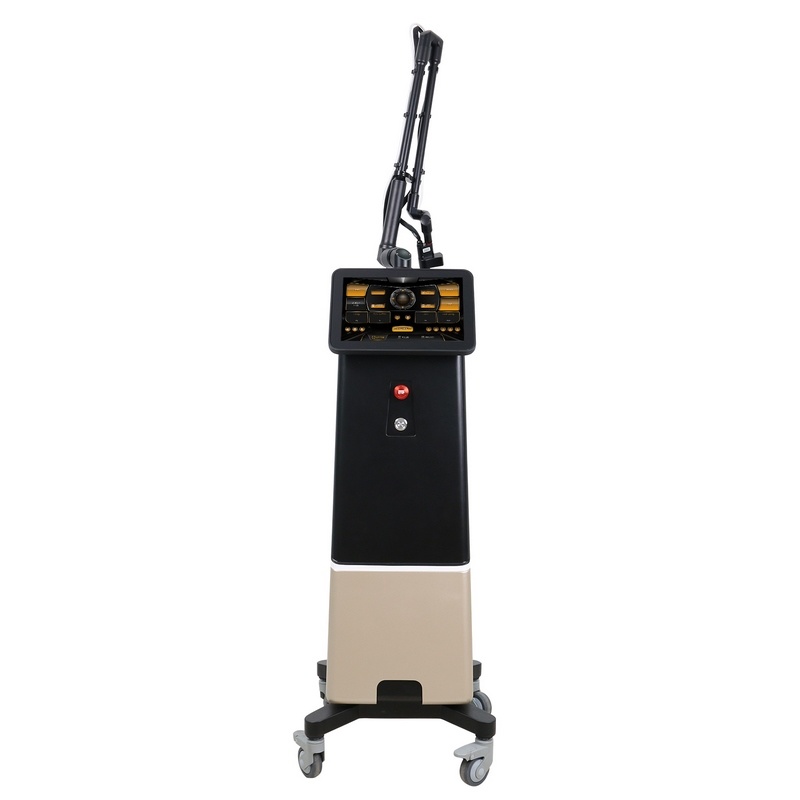
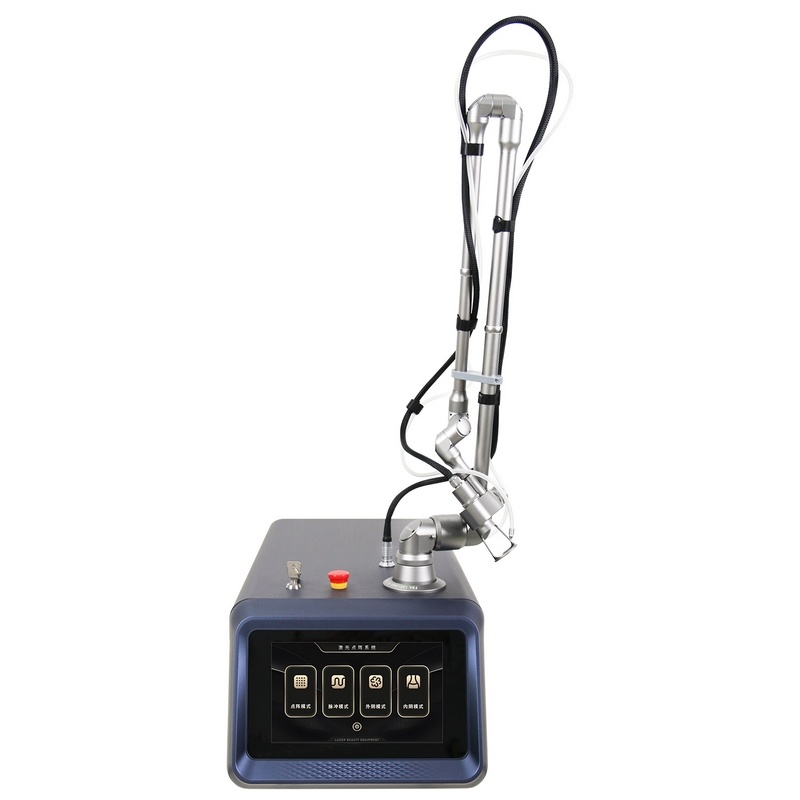
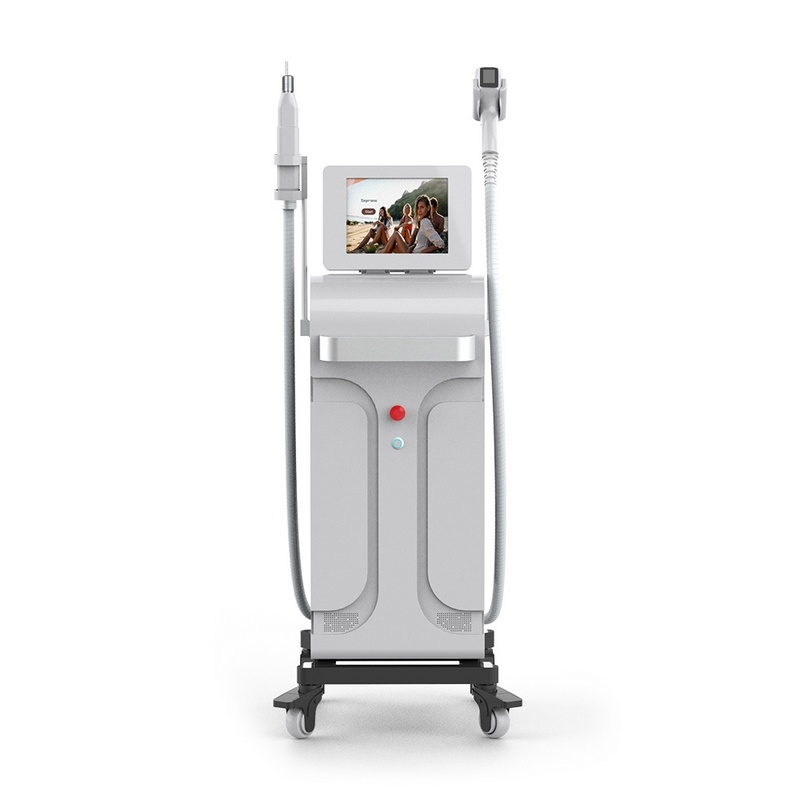
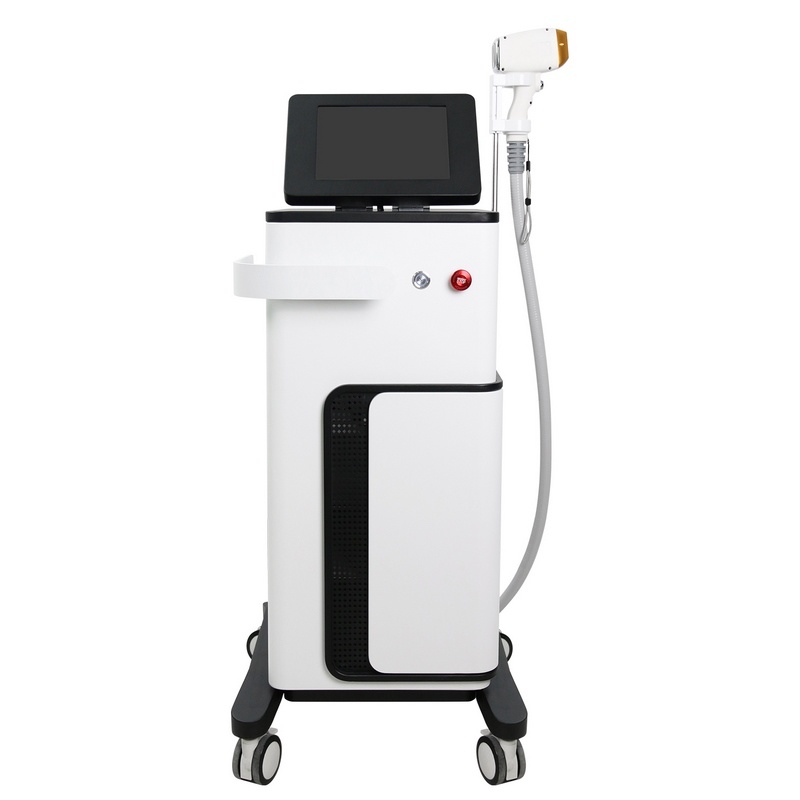
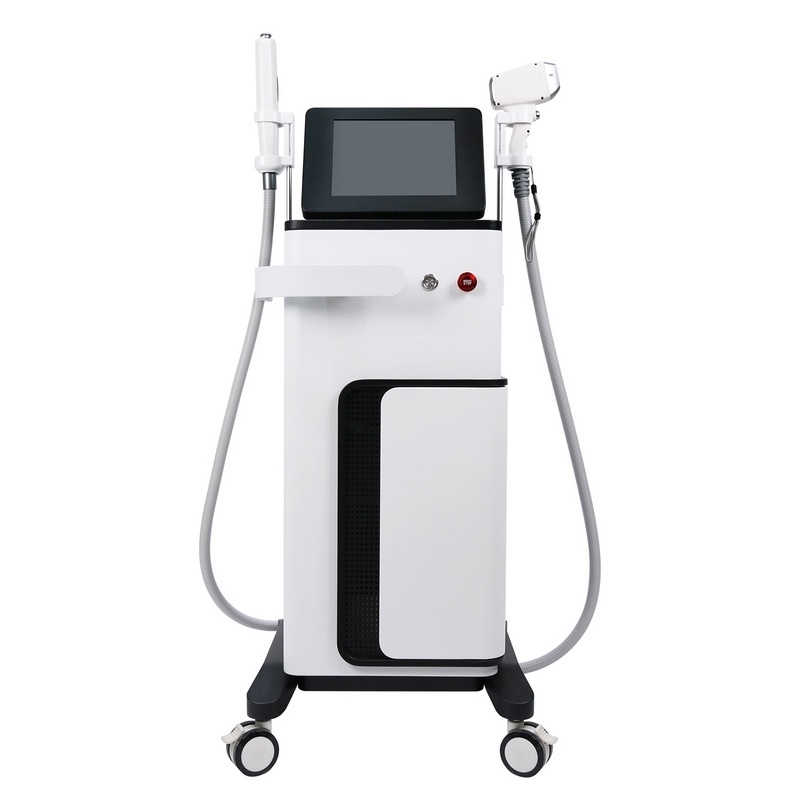
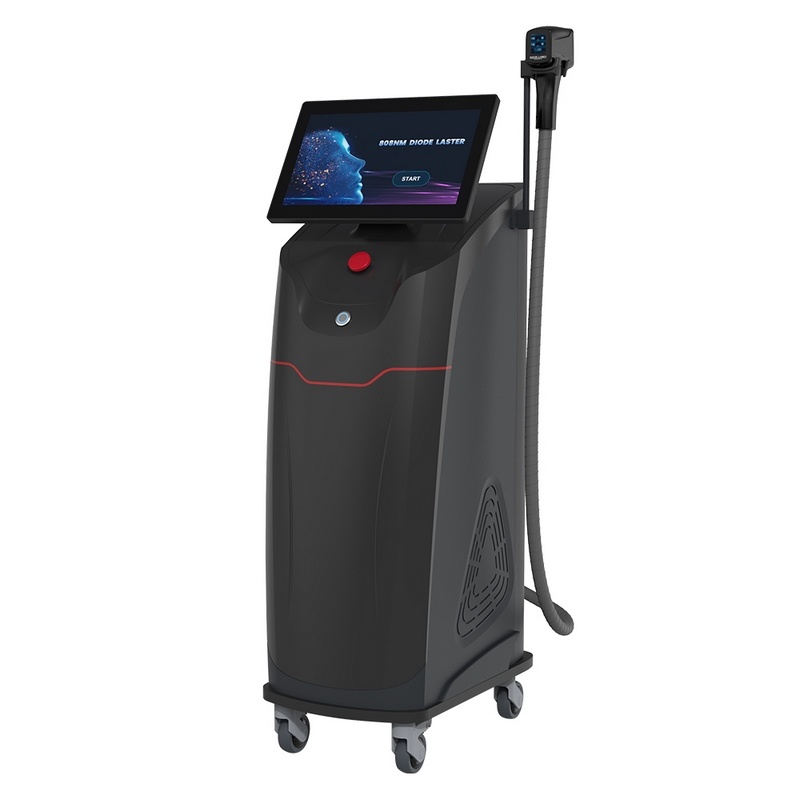
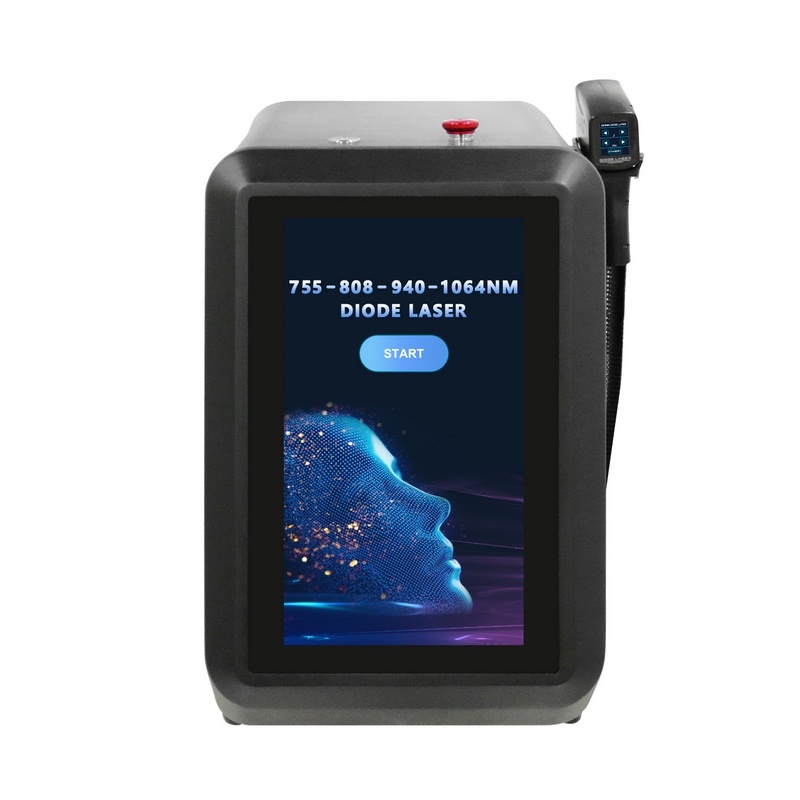
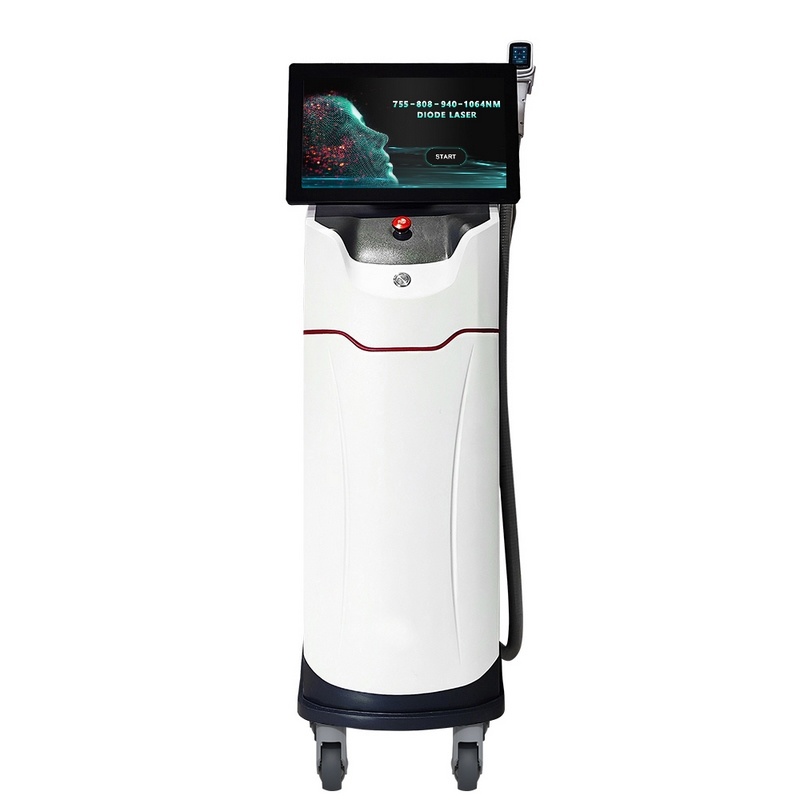
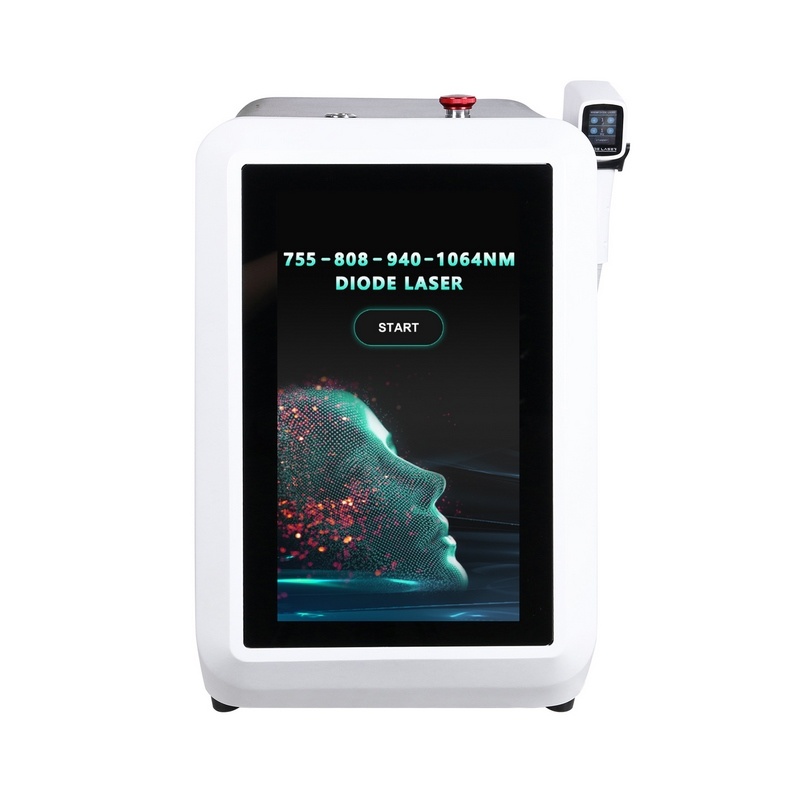
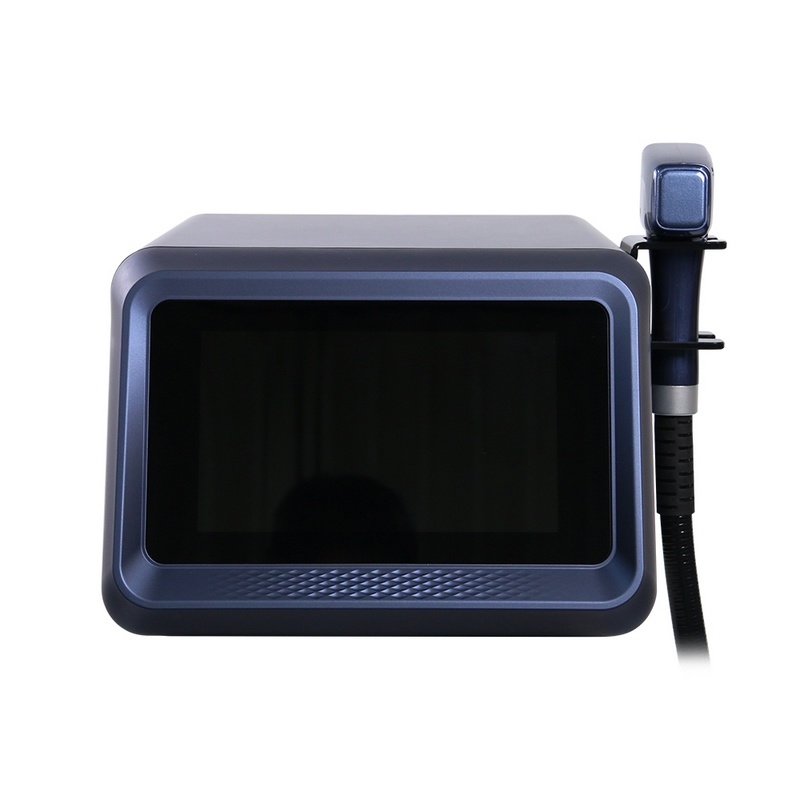
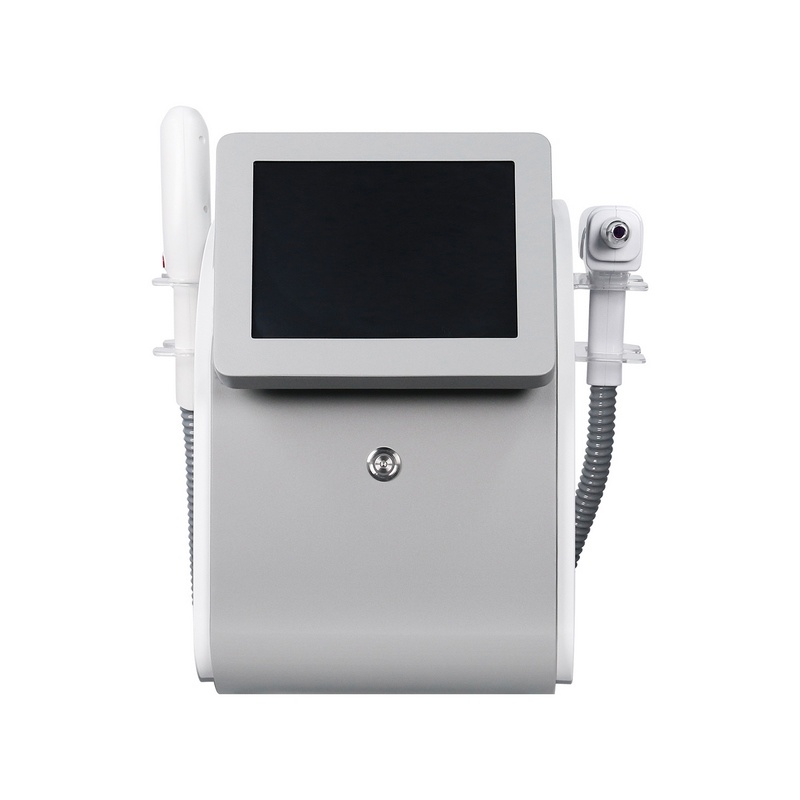
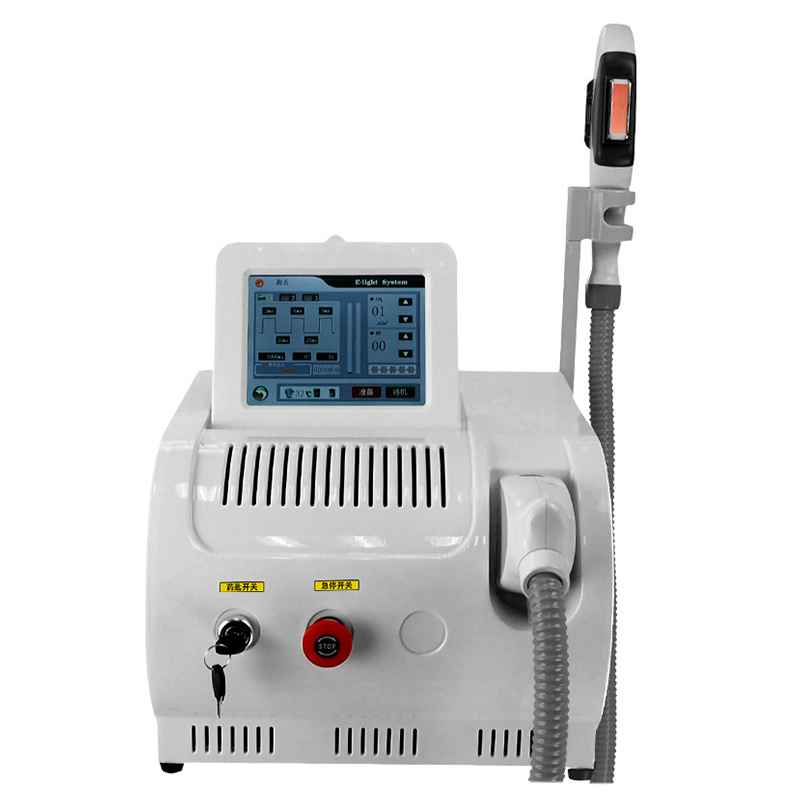
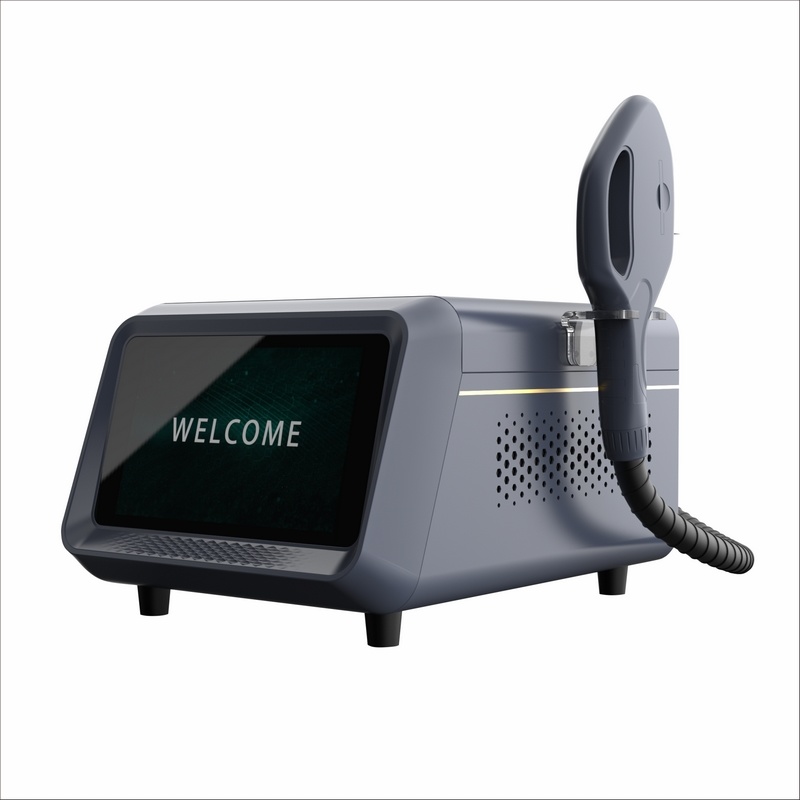
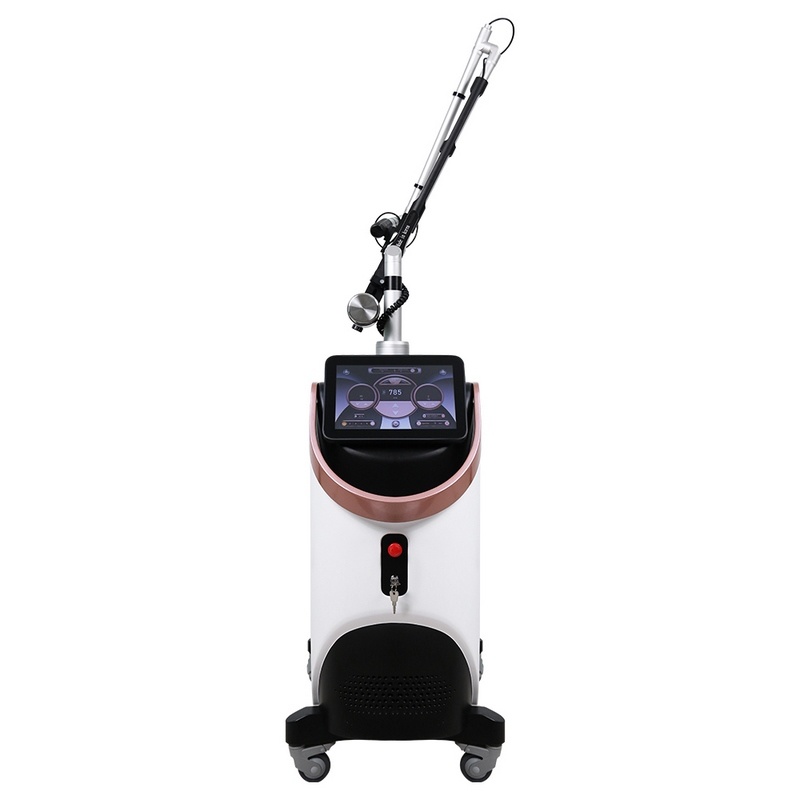
How to Choose the Best Cosmetic Laser Equipment for Your Clinic
How to Choose the Best Cosmetic Laser Equipment for Your Clinic Table of Contents Understanding Cosmetic Lasers Types of Cosmetic Laser Equipment Available Key Considerations When Selecting Laser Equipment Budgeting for Your Cosmetic Laser Purchase Evaluating Manufacturers and Brands Latest Technology Trends in Laser Equipment Training and Support Services Frequent
Mar 06,2026
How to Choose the Best Cosmetic Laser Equipment for Your Clinic
Table of Contents
- Understanding Cosmetic Lasers
- Types of Cosmetic Laser Equipment Available
- Key Considerations When Selecting Laser Equipment
- Budgeting for Your Cosmetic Laser Purchase
- Evaluating Manufacturers and Brands
- Latest Technology Trends in Laser Equipment
- Training and Support Services
- Frequently Asked Questions
- Conclusion
Understanding Cosmetic Lasers
The world of cosmetic lasers has evolved significantly over the past few years. These devices use focused light to treat various skin issues, including wrinkles, pigmentation, and acne scars. Understanding how these lasers work is crucial for making an informed purchase decision. Cosmetic lasers are generally classified into two categories: ablative and non-ablative. **Ablative lasers** remove the outer layer of skin, which can lead to significant improvements in texture and tone. In contrast, **non-ablative lasers** stimulate collagen production without damaging the skin's surface, making them ideal for patients seeking minimal downtime.
Types of Cosmetic Laser Equipment Available
Choosing the right cosmetic laser equipment requires familiarity with the different types of lasers available on the market. Each type has its unique applications and benefits:
Ablative Lasers
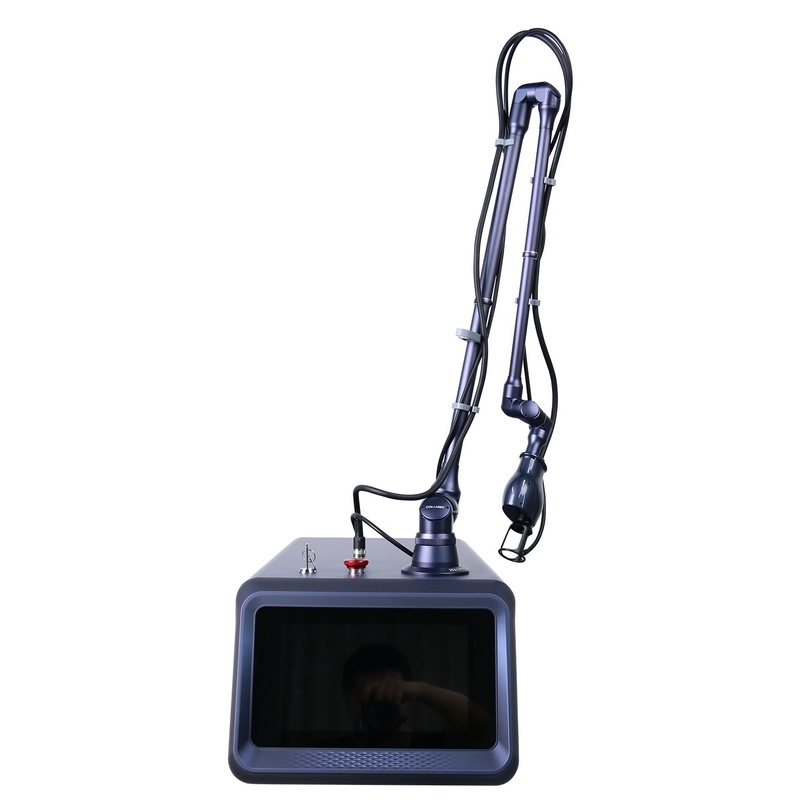
Ablative lasers, such as CO2 and Erbium lasers, are effective for resurfacing the skin and treating deeper wrinkles. They provide dramatic results but often require longer recovery times.
Non-Ablative Lasers
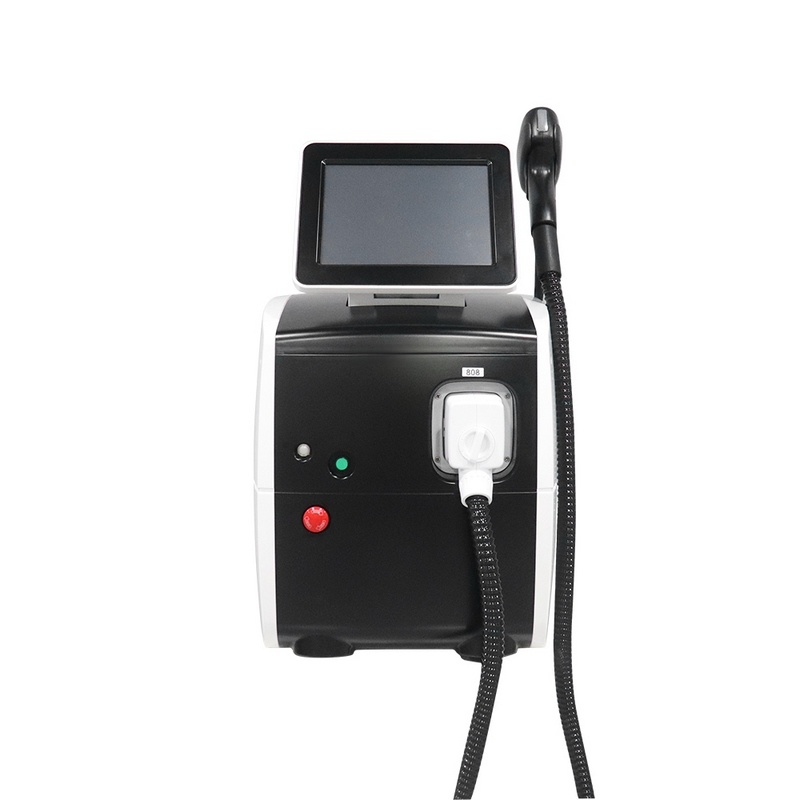
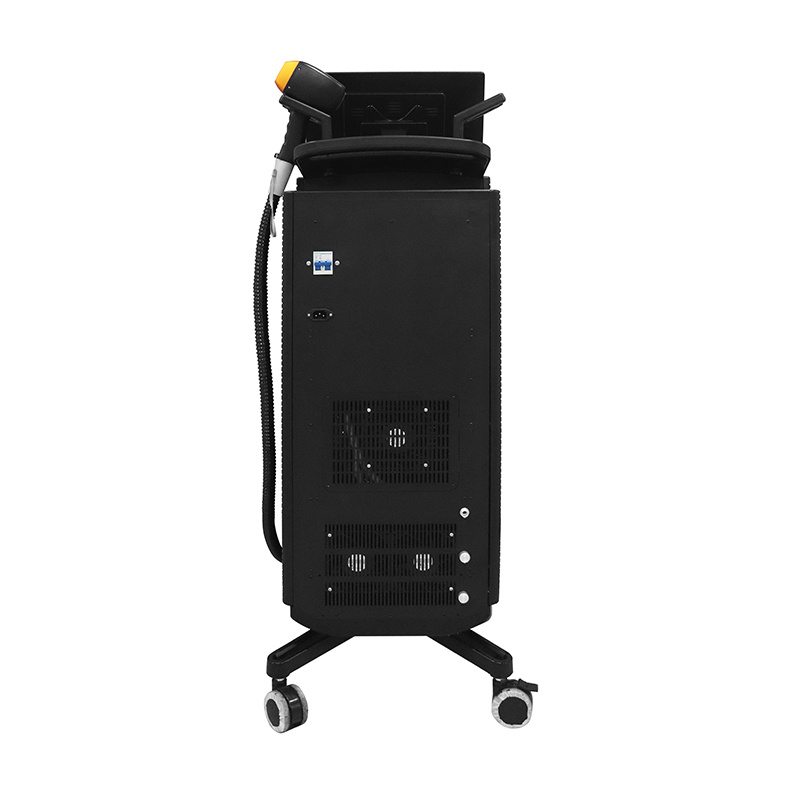
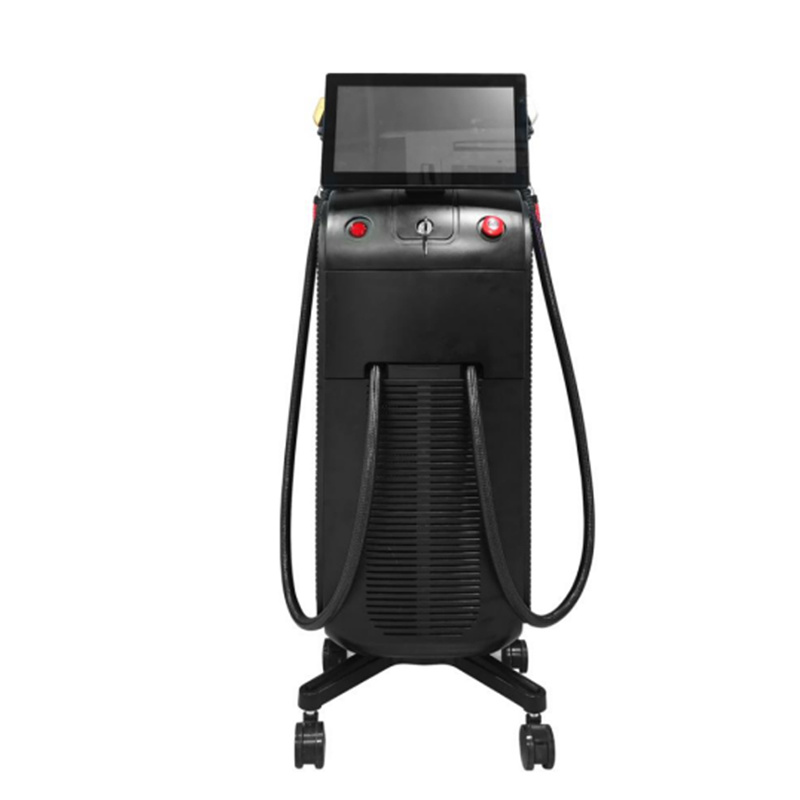
Non-ablative lasers, including Nd:YAG and diode lasers, are less invasive and suitable for a wide range of skin types. They offer a quicker recovery time and are generally associated with fewer side effects.
Light-Based Technologies
In addition to traditional lasers, light-based technologies like Intense Pulsed Light (IPL) devices and LED therapies are popular for their versatility in treating skin conditions.
Key Considerations When Selecting Laser Equipment
Several factors should influence your choice of laser equipment for your clinic:
Patient Demographics
Understanding your patient demographics will help determine the specific treatments needed. If your clientele is primarily interested in anti-aging, investing in a high-quality ablative laser may be worthwhile.
Treatment Options
Consider the range of treatments you plan to offer. Some lasers can perform multiple functions, while others are specialized. Investing in a multi-functional device can save costs in the long run.
Ease of Use
Choose equipment that is user-friendly, as this will streamline operations and improve patient experiences. Look for intuitive interfaces and comprehensive training resources.
Budgeting for Your Cosmetic Laser Purchase
Budgeting is a critical aspect of acquiring new equipment. Here are some considerations to keep in mind:
Initial Costs
The price of cosmetic laser equipment can vary widely. It's essential to evaluate whether the initial investment aligns with your clinic's financial goals. High-quality lasers may come with a higher price tag but could lead to better patient satisfaction and retention.
Maintenance and Operational Costs
Consider the long-term operational costs associated with the equipment, including maintenance, consumables, and energy consumption. These ongoing expenses can significantly impact your overall budget.
Financing Options
Explore financing options available through manufacturers or third-party lenders. Many companies offer financing solutions specifically designed for medical practices, making it easier to manage cash flow.
Evaluating Manufacturers and Brands
Choosing a reputable manufacturer is crucial for ensuring the longevity and reliability of your laser equipment:
Reputation in the Industry
Research the manufacturer's reputation within the cosmetic and medical community. Look for reviews, testimonials, and case studies that highlight their products' effectiveness.
Customer Support and Warranty
Evaluate the customer support offered by manufacturers. A robust support system can ease the transition to new equipment and ensure your practice runs smoothly. Additionally, review warranty options to protect your investment.
Latest Technology Trends in Laser Equipment
Staying abreast of the latest trends in cosmetic laser technology can give your clinic a competitive edge. Some recent advancements include:
Smart Technology Integration
Many modern lasers now incorporate smart technology, offering features such as treatment tracking and personalized protocols based on patient skin types.
Combination Treatments
Combining laser treatments with other modalities like fillers and injectables is becoming increasingly popular. Investing in equipment that can integrate with these treatments can provide a more comprehensive approach to patient care.
Energy Efficiency
As the focus on sustainability grows, many manufacturers are producing energy-efficient laser devices that not only save on operational costs but also appeal to environmentally conscious patients.
Training and Support Services
Effective training and ongoing support are vital for maximizing the potential of your new laser equipment:
Initial Training Programs
Ensure that the manufacturer offers thorough training programs for your staff. A well-trained team will be more confident in administering treatments and managing the equipment.
Ongoing Education
Consider manufacturers that provide access to continued education resources. Keeping your team updated with the latest techniques and safety protocols is essential for maintaining high standards of care.
Frequently Asked Questions
1. What should I consider when choosing laser equipment for my clinic?
Consider patient demographics, treatment options, ease of use, budget, and the reputation of the manufacturer.
2. How much does cosmetic laser equipment typically cost?
The cost can range from a few thousand dollars for basic devices to over $100,000 for advanced systems.
3. Are there financing options available for purchasing laser equipment?
Yes, many manufacturers and third-party lenders offer financing plans tailored for medical practices.
4. How important is manufacturer support and training?
Manufacturer support and training are crucial for ensuring equipment effectiveness and staff confidence in treatment delivery.
5. What are the latest trends in cosmetic laser technology?
Current trends include smart technology integration, combination treatments, and energy-efficient devices.
Conclusion
Choosing the best cosmetic laser equipment for your clinic is a multi-faceted decision that requires careful consideration of various factors, including patient needs, equipment capabilities, and budget constraints. By understanding the different types of lasers available, evaluating manufacturers, and staying informed on the latest technology trends, you can make an educated choice that enhances your practice. A well-informed decision will not only improve your clinic’s service offerings but also ensure patient satisfaction and loyalty over time.

Contact
Email:dpl.beautytech@gmail.com
WhatsApp: +86 19988281675
Room 307, No.8, No.2 Road, Wanggang Industrial Zone, Jiahe Street, Baiyun District, Guangzhou, China
Request Quote
Note: Please be sure to fill in the information accurately and keep communication open, we will get in touch with you as soon as possible