More Contacts






-
ProductsContactThe company mainly develops technologies in intense pulsed light, Laser, RF, Vacuum cavitation, and Ultrasonic.
-
OEM/ODMContactThe company mainly develops technologies in intense pulsed light, Laser, RF, Vacuum cavitation, and Ultrasonic.
-
ContactThe company mainly develops technologies in intense pulsed light, Laser, RF, Vacuum cavitation, and Ultrasonic.
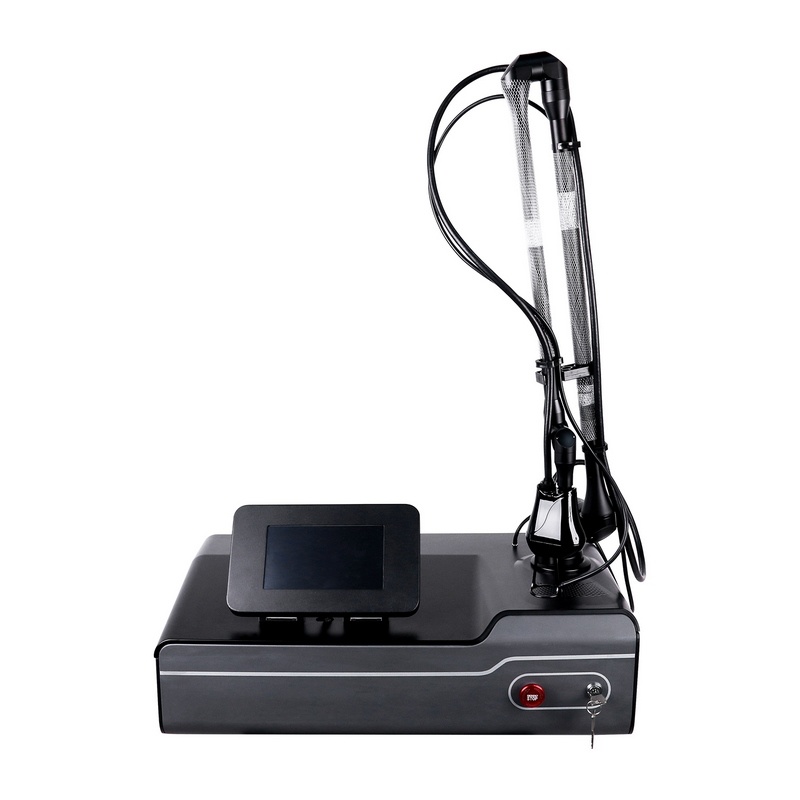
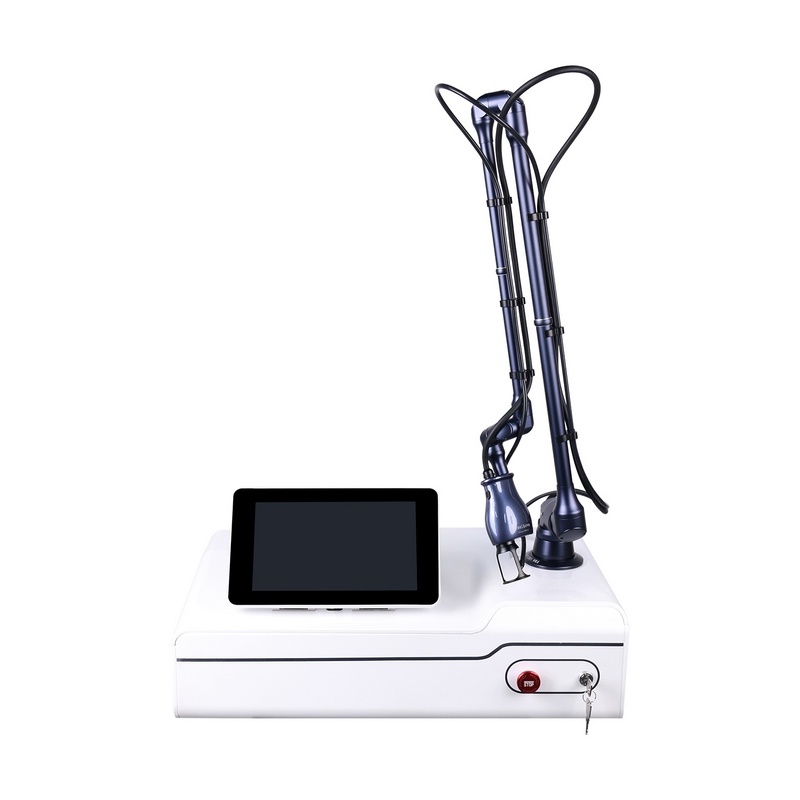
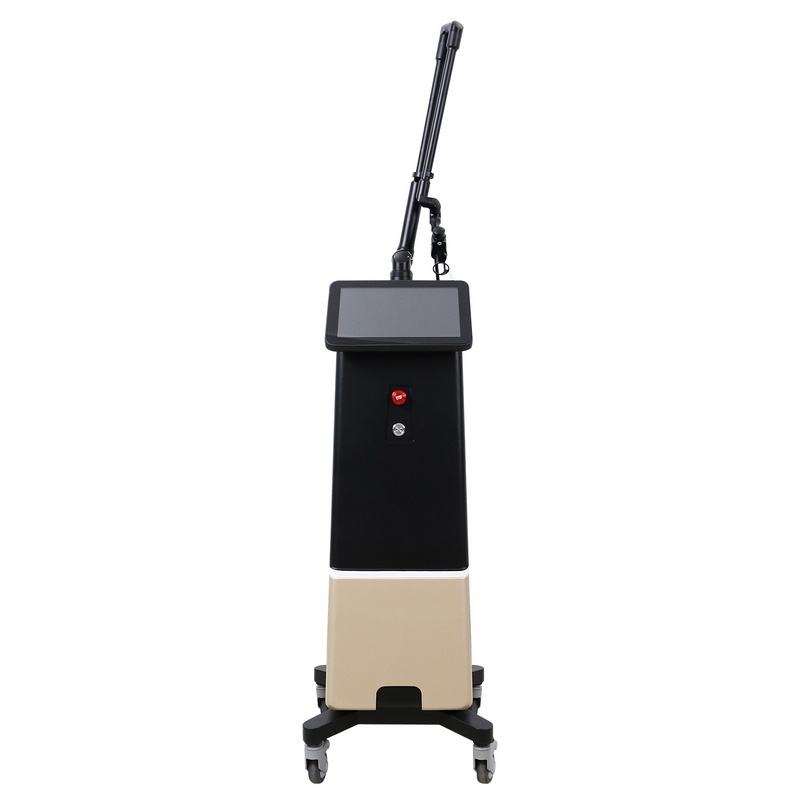
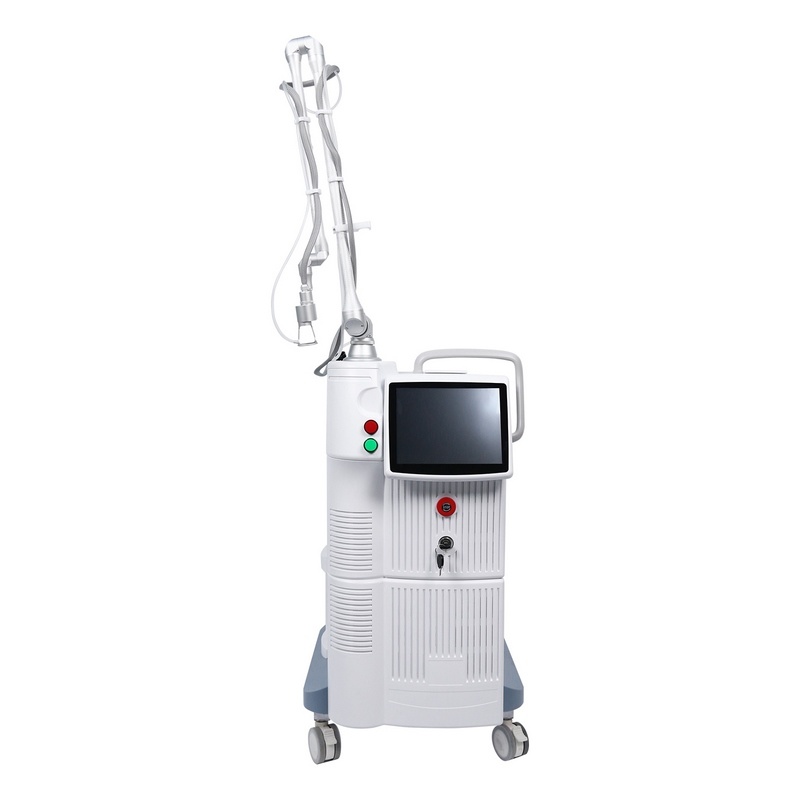
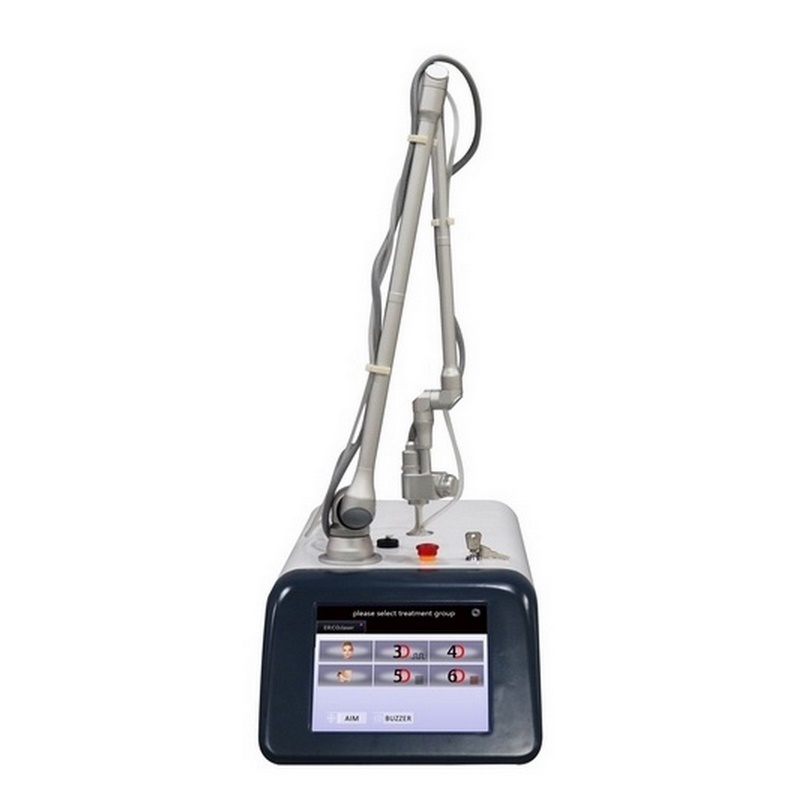
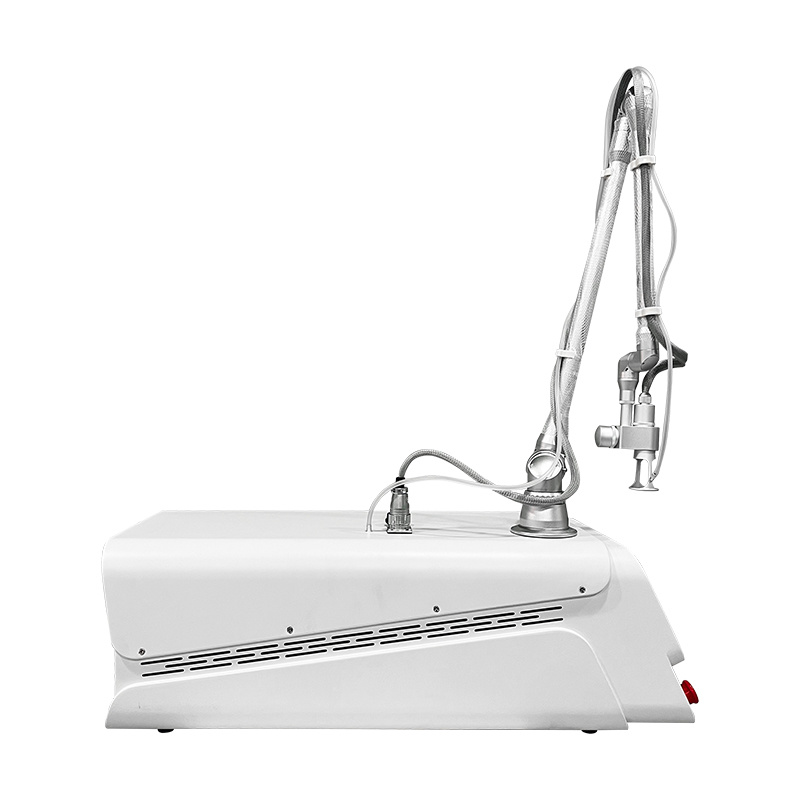
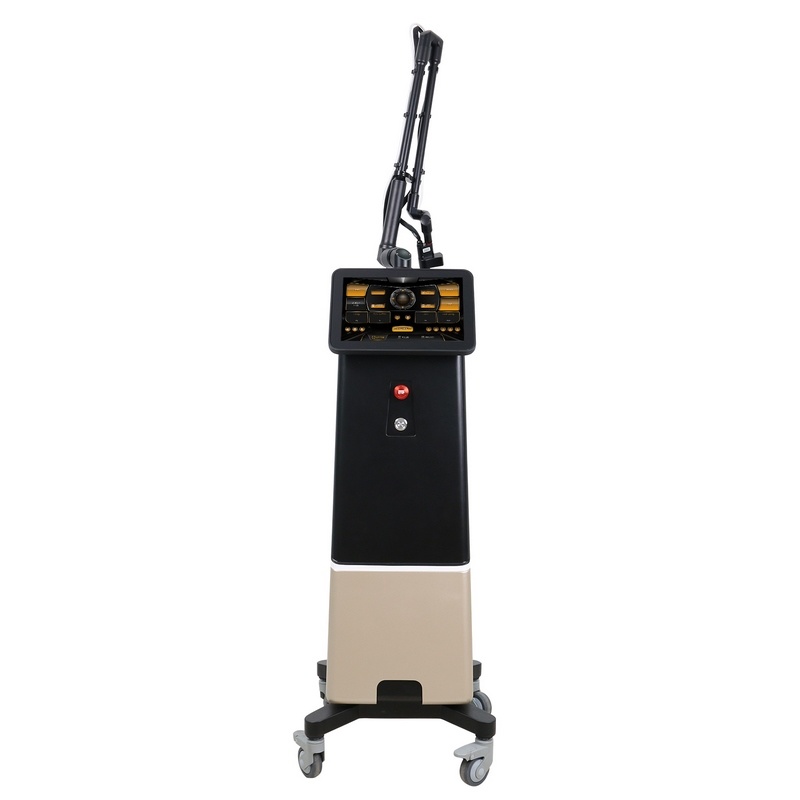
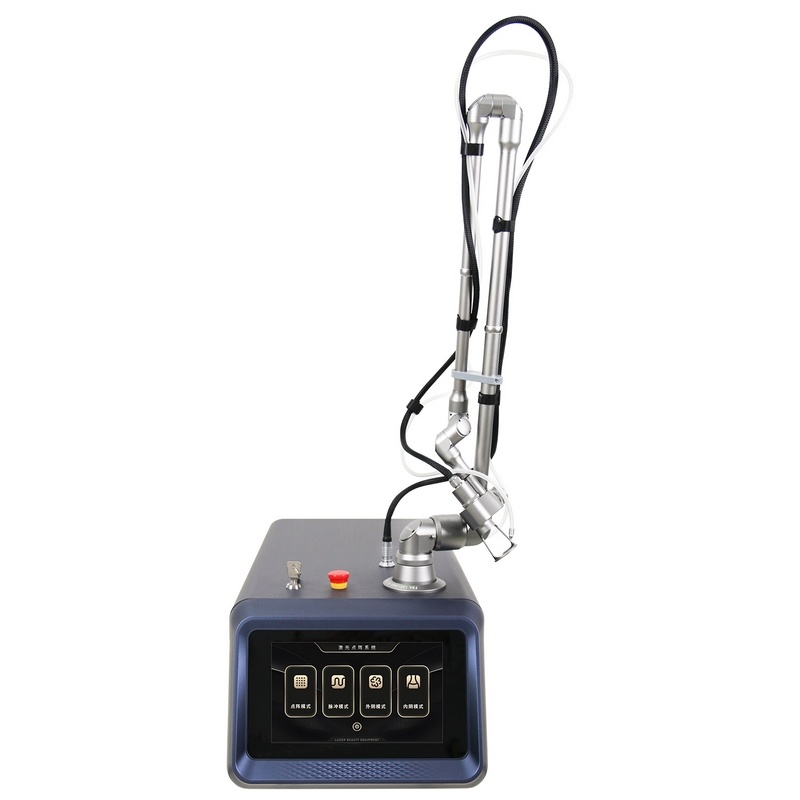
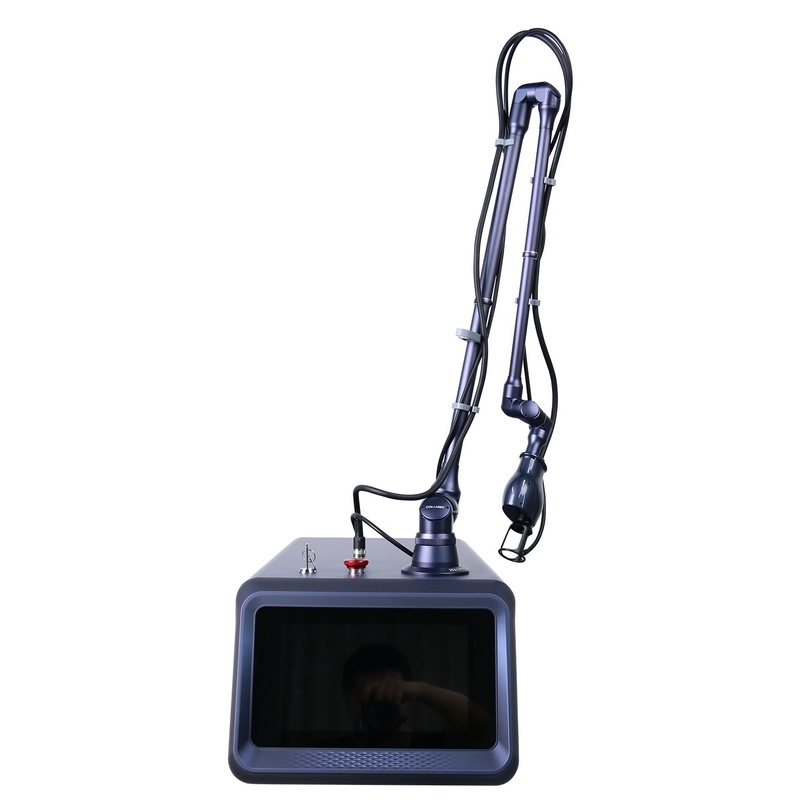
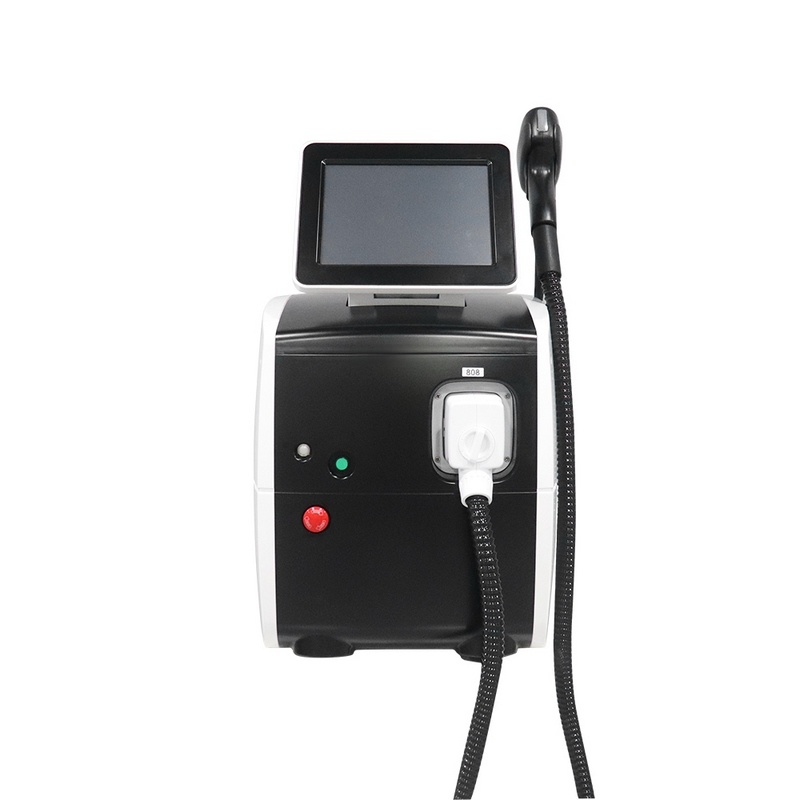
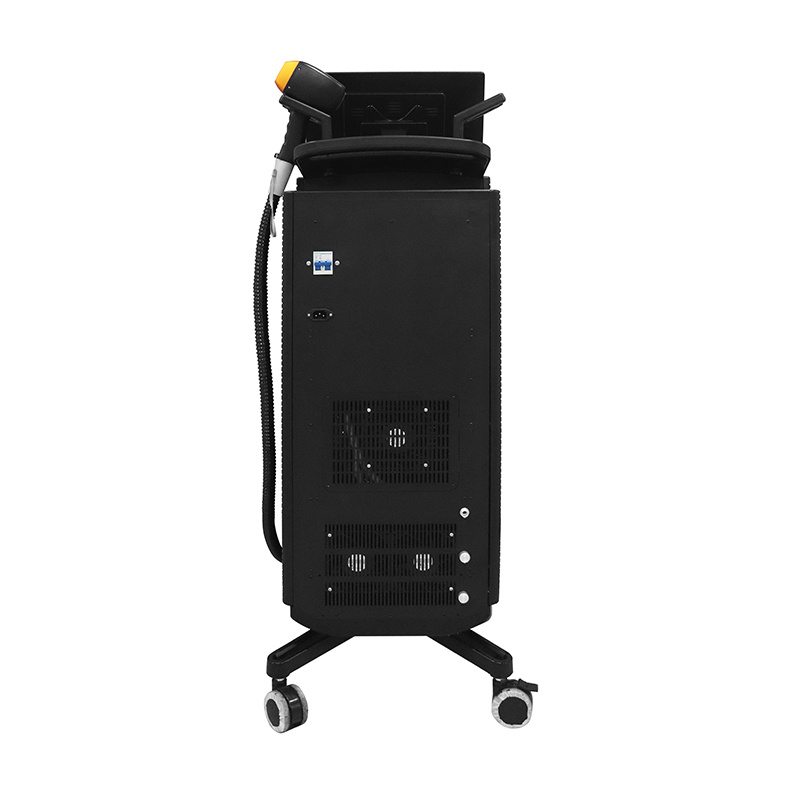
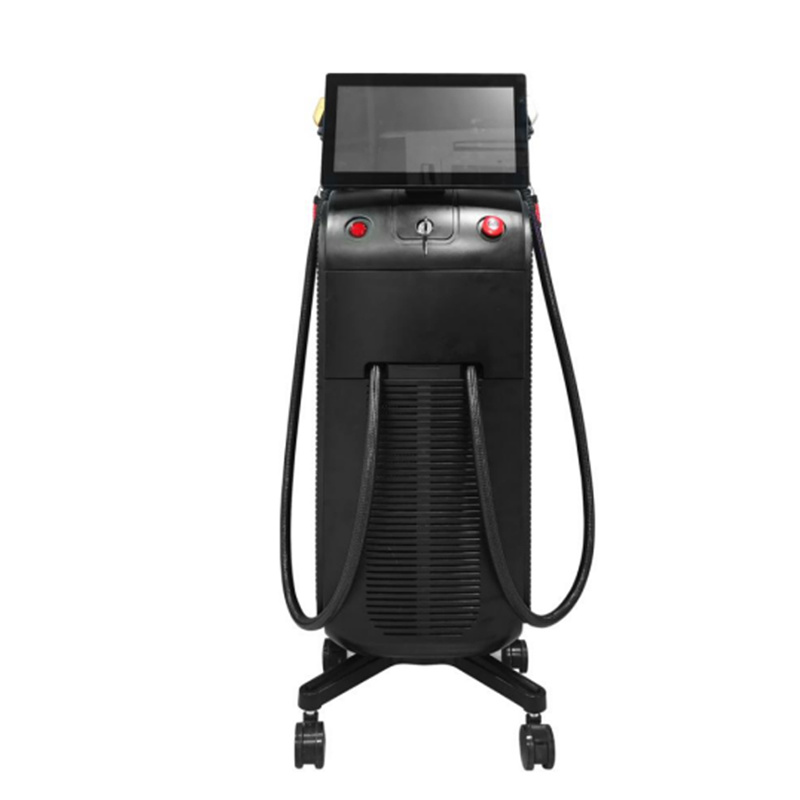
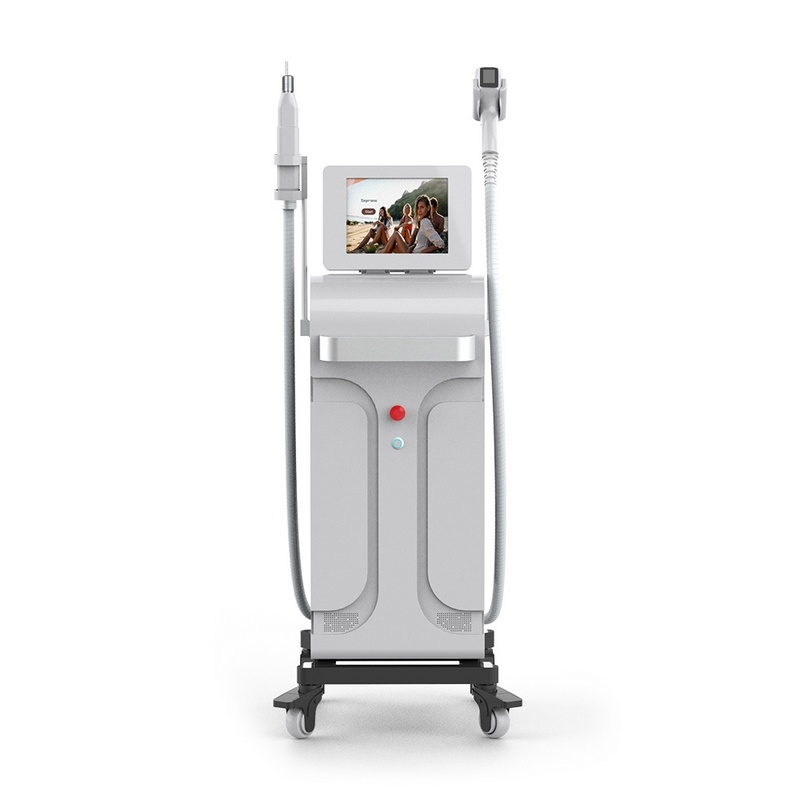
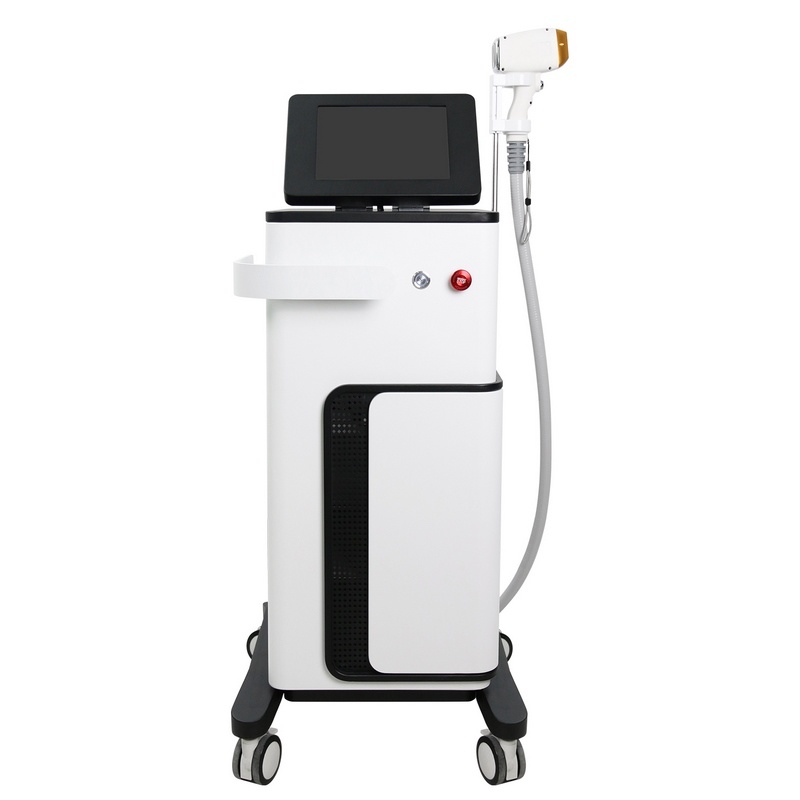
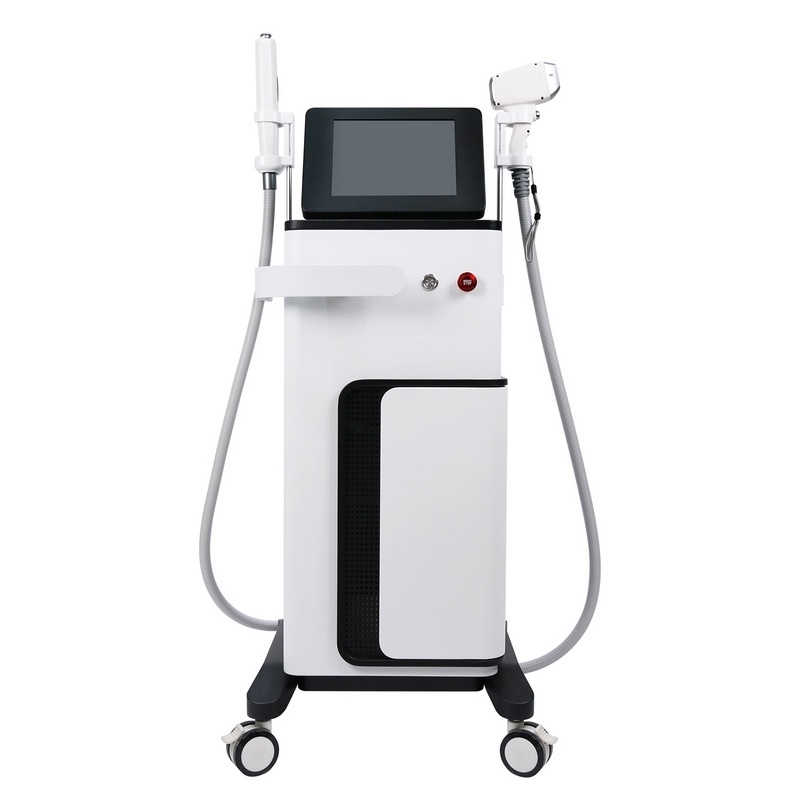
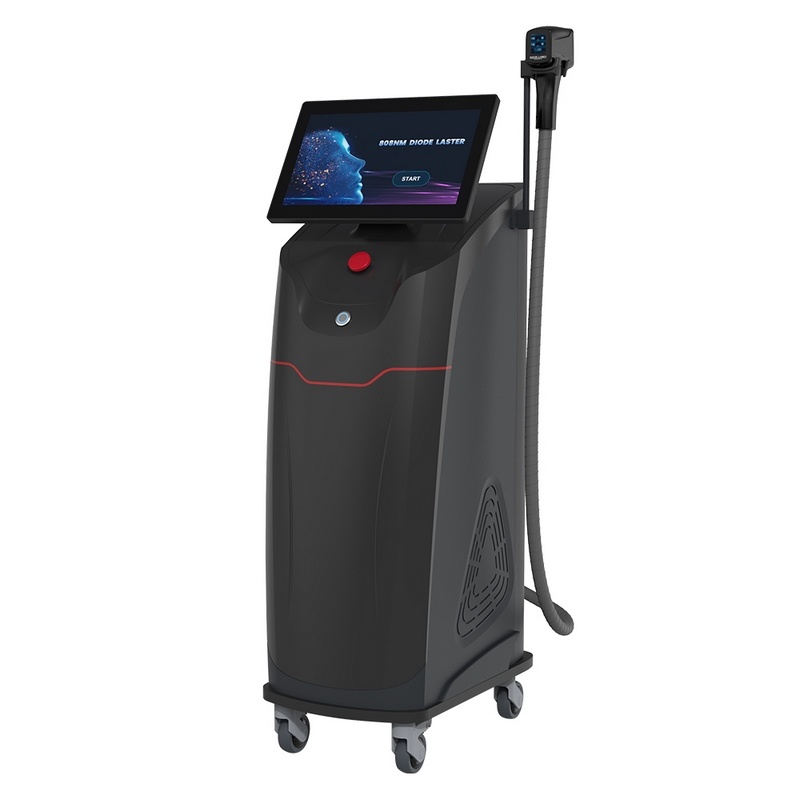
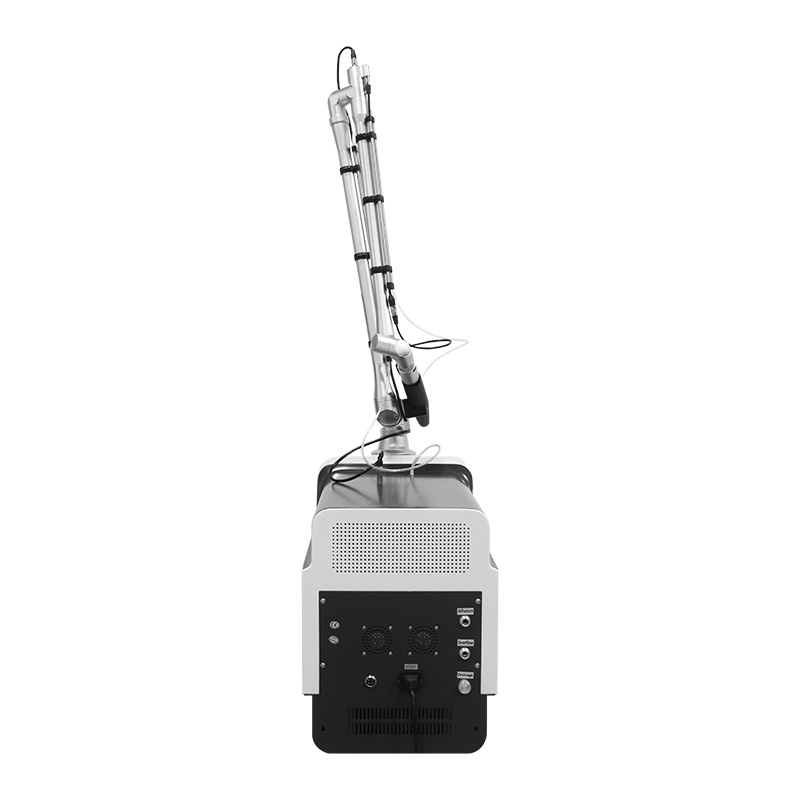
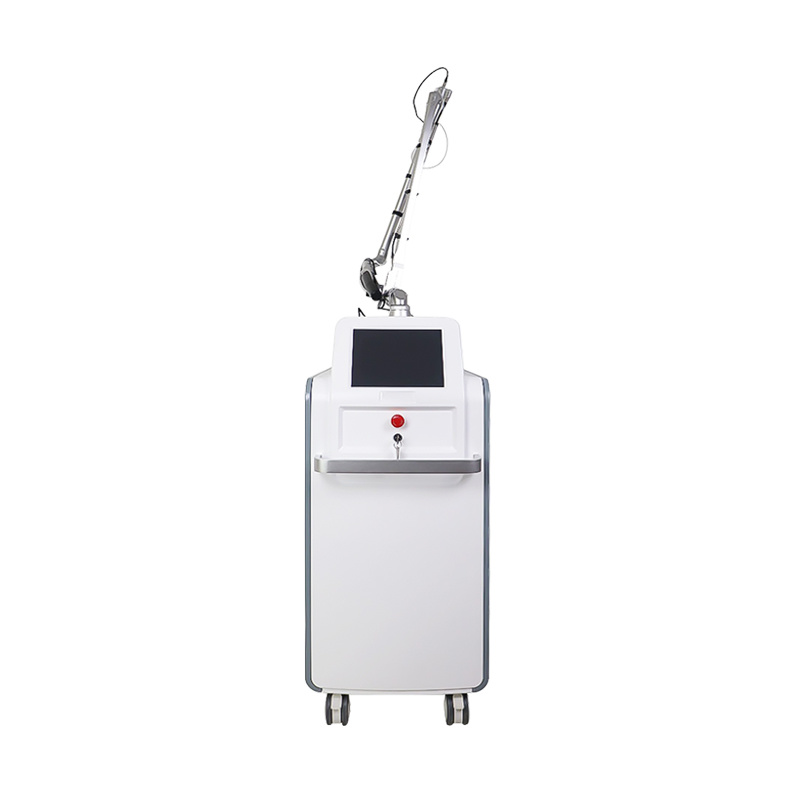
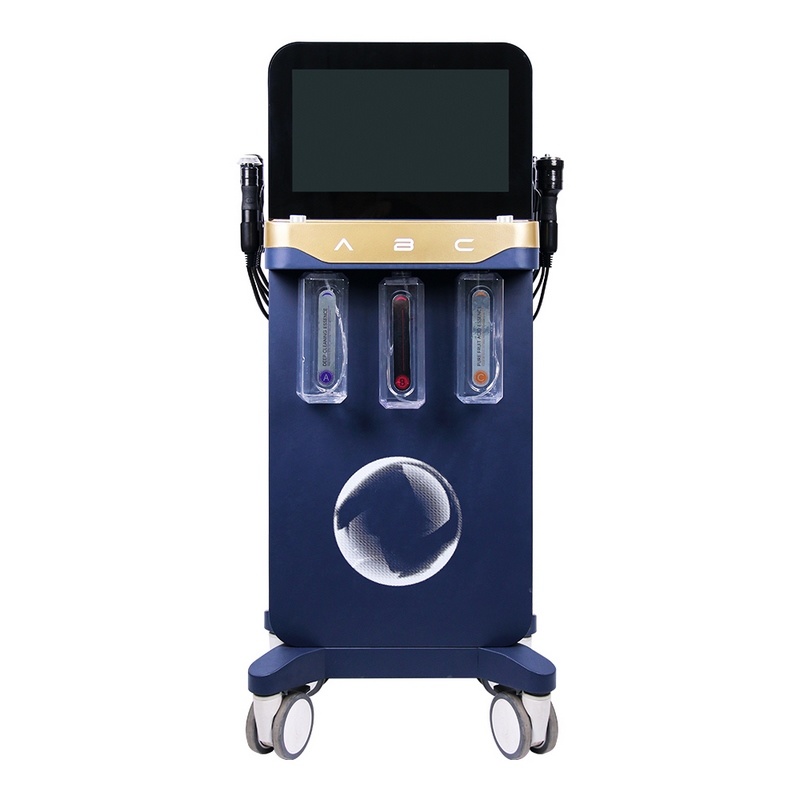
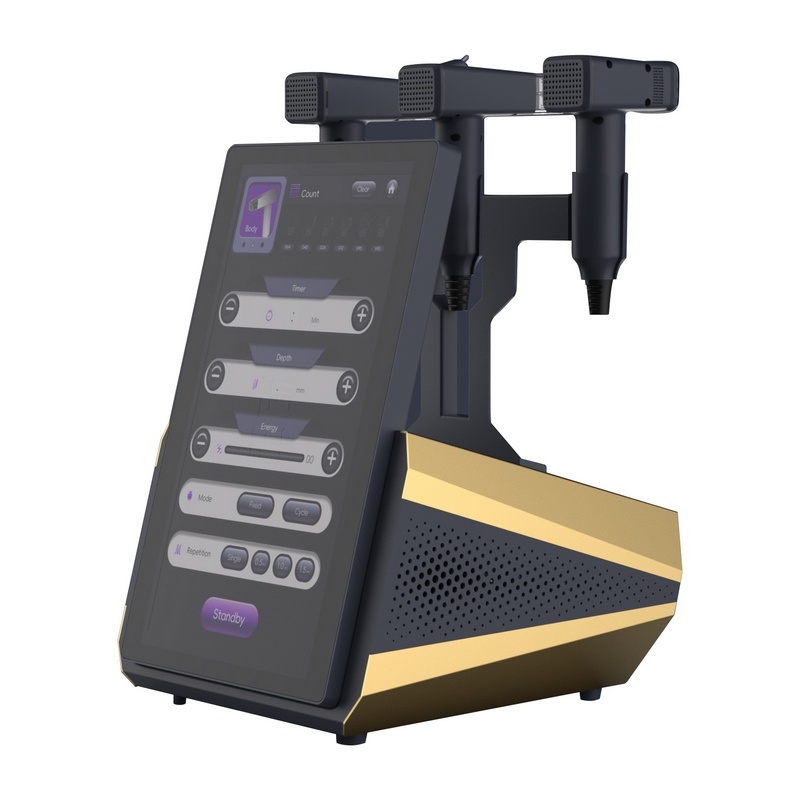
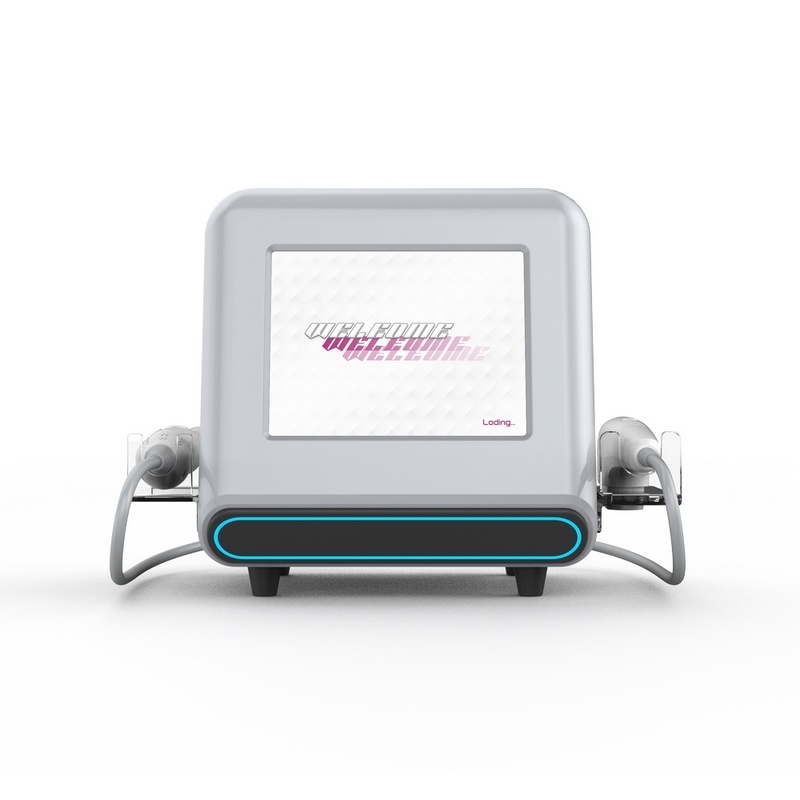
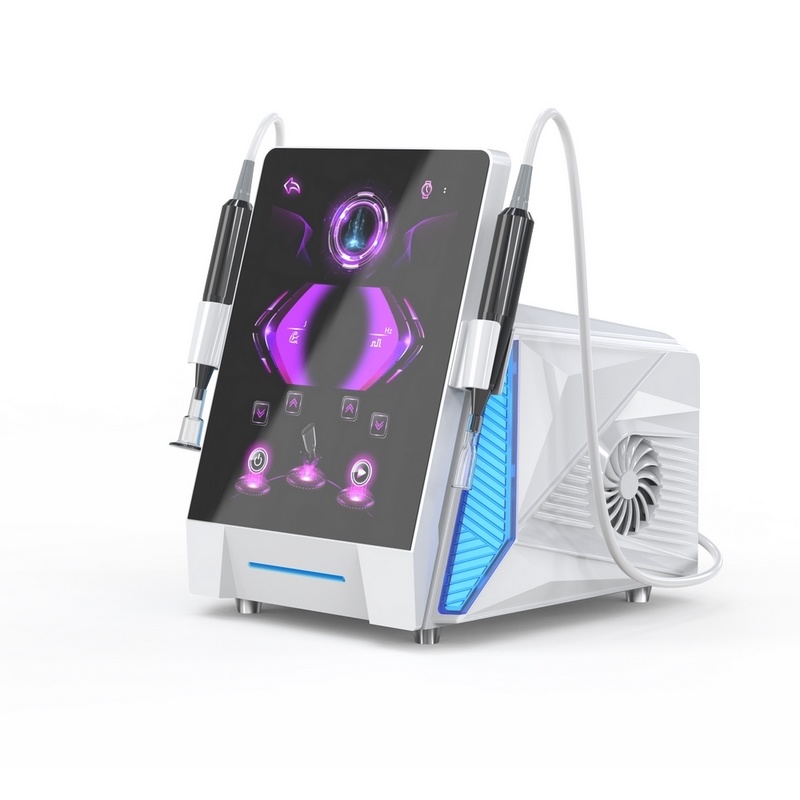
The Evolution of Cosmetic Laser Technology: What Makes the Best Equipment?
The Evolution of Cosmetic Laser Technology: What Makes the Best Equipment? Table of Contents 1. Introduction to Cosmetic Laser Technology 2. A Brief History of Laser Development 3. Types of Cosmetic Lasers 3.1. Ablative vs. Non-Ablative Lasers 3.2. Fractional Lasers 3.3. Diode Lasers 4. Key Features of Effective Cosmetic Laser
Apr 05,2026
The Evolution of Cosmetic Laser Technology: What Makes the Best Equipment?
Table of Contents
- 1. Introduction to Cosmetic Laser Technology
- 2. A Brief History of Laser Development
- 3. Types of Cosmetic Lasers
- 4. Key Features of Effective Cosmetic Laser Equipment
- 5. Safety and Efficacy in Laser Treatments
- 6. Innovations in Cosmetic Laser Technology
- 7. Choosing the Right Laser Equipment for Your Practice
- 8. Conclusion
1. Introduction to Cosmetic Laser Technology
In recent years, cosmetic laser technology has revolutionized the beauty industry, offering advanced solutions for a myriad of skin concerns. From hair removal to skin rejuvenation, lasers have become synonymous with effective and minimally invasive procedures. Understanding the evolution and nuances of this technology is essential for practitioners and consumers alike. This article will explore how cosmetic lasers have evolved, the types available, their features, and what makes a laser device stand out in today’s market.
2. A Brief History of Laser Development
The journey of laser technology began back in the 1960s when the first laser was created. Initially, these lasers were primarily used in industrial applications. However, as the technology advanced, researchers began to explore the potential of lasers in the medical field. By the 1990s, the introduction of laser hair removal marked a significant milestone, leading to widespread acceptance and utilization in cosmetic procedures.
Over the years, continuous research and innovation have led to more sophisticated and versatile laser systems. The development of various wavelengths and delivery systems has enabled practitioners to customize treatments for different skin types and conditions, enhancing both safety and outcomes.
3. Types of Cosmetic Lasers
Understanding the different types of cosmetic lasers available is crucial for selecting the right equipment. Each type has unique properties suited for various treatments.
3.1. Ablative vs. Non-Ablative Lasers
Ablative lasers work by removing the outer layers of the skin. They are effective for significant skin resurfacing, scar reduction, and treating wrinkles. Examples include CO2 and Erbium lasers. However, they often require longer recovery times.
In contrast, non-ablative lasers penetrate the skin without removing the top layer. They are ideal for stimulating collagen production and treating minor skin imperfections, resulting in shorter downtime. Common non-ablative lasers include Nd:YAG and diode lasers.
3.2. Fractional Lasers
Fractional lasers are a hybrid of ablative and non-ablative technology. They work by creating microscopic treatment zones in the skin, promoting healing while minimizing downtime. This approach allows for effective skin rejuvenation with less risk of complications. Fractional lasers are particularly popular for treating wrinkles, sun damage, and acne scars.
3.3. Diode Lasers
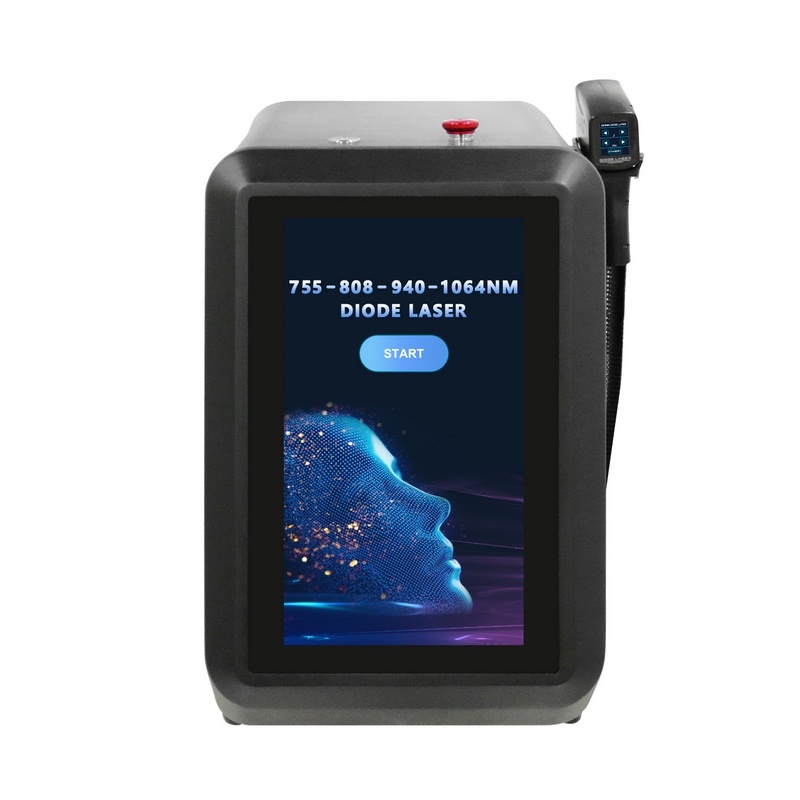
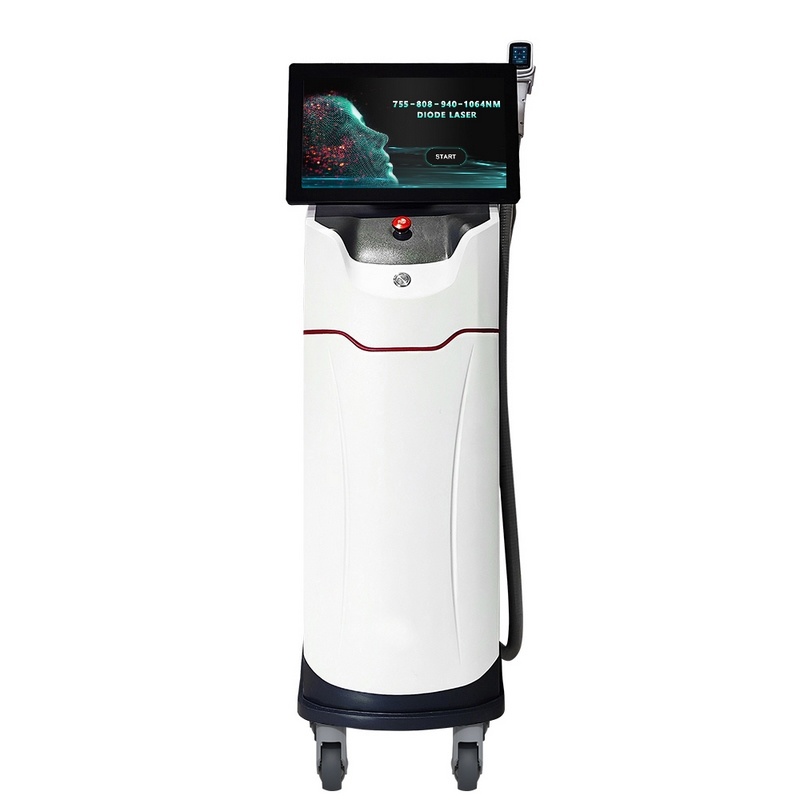
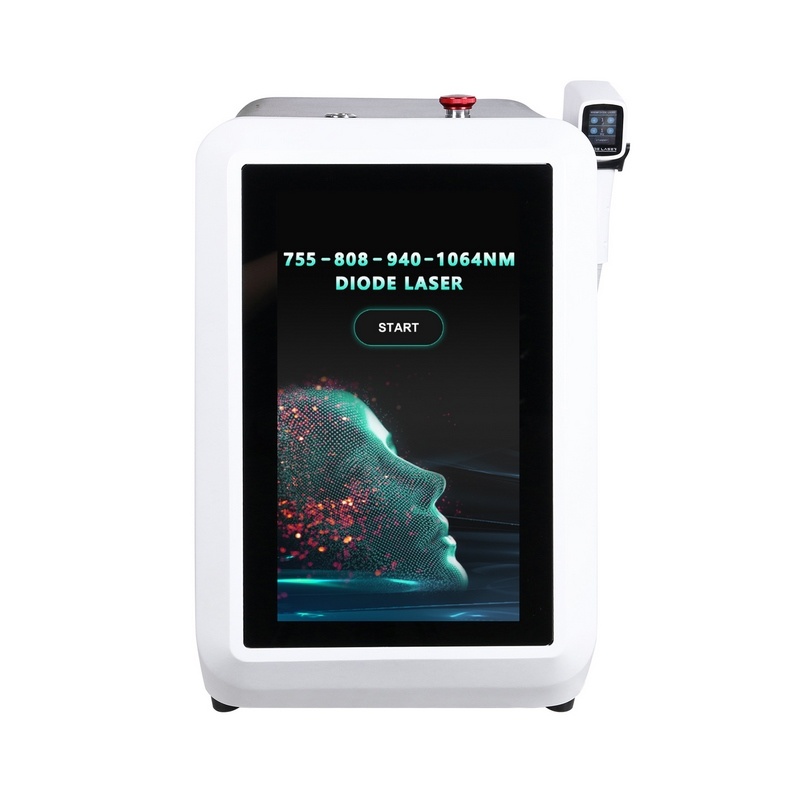
Diode lasers have gained popularity for hair removal and vascular treatments. They operate at a specific wavelength that targets melanin in hair follicles, making them effective for various skin types. Diode lasers offer a relatively painless experience with minimal side effects.
4. Key Features of Effective Cosmetic Laser Equipment
When selecting cosmetic laser equipment, several critical features should be evaluated to ensure optimal performance and patient satisfaction.
4.1. Wavelength Specificity
Different laser wavelengths target different skin conditions. A versatile laser system that offers multiple wavelengths can address a broader range of treatments, from hair removal to skin rejuvenation.
4.2. Pulse Duration
The ability to control pulse duration is essential for achieving specific treatment outcomes. Shorter pulses are effective for hair removal, while longer pulses are better for vascular lesions.
4.3. Cooling Systems
Effective cooling systems can significantly enhance patient comfort during treatments. Integrated cooling mechanisms help to minimize pain and reduce the risk of thermal injury, allowing for a more pleasant experience.
4.4. User-Friendly Interface
A straightforward, intuitive interface is paramount for practitioners. Equipment that offers easy access to settings and treatment protocols can streamline operations and enhance efficiency in busy practices.
4.5. Portability
For clinics that operate in multiple locations or require mobility for events and conferences, portable laser systems can be advantageous. Lightweight and compact designs facilitate easy transportation without compromising performance.
5. Safety and Efficacy in Laser Treatments
Safety is a paramount consideration when it comes to cosmetic laser treatments. Effective equipment must meet rigorous safety standards and provide features that minimize risks.
5.1. FDA Clearance and Certifications
Before purchasing laser equipment, it is crucial to verify that it has received necessary FDA clearance and certifications. This ensures that the device has been rigorously tested for safety and efficacy.
5.2. Training and Protocols
Proper training for practitioners is essential to prevent complications. Equipment that comes with comprehensive training programs and treatment protocols can enhance safety and effectiveness.
5.3. Risk Management Features
Advanced laser systems often include built-in risk management features such as skin type analysis and energy adjustment capabilities. These features help practitioners tailor treatments to individual patient needs, minimizing adverse effects.
6. Innovations in Cosmetic Laser Technology
The cosmetic laser industry is continually evolving, with new innovations emerging that enhance treatment options and improve patient outcomes.
6.1. Artificial Intelligence Integration
The integration of artificial intelligence (AI) in laser devices is a game-changer. AI can assist in diagnostics, treatment planning, and post-treatment follow-ups, providing data-driven insights that optimize treatment efficacy.
6.2. Multi-Functional Systems
Modern laser systems are increasingly designed to be multi-functional, allowing practitioners to perform a variety of treatments with a single device. This versatility enhances the value of equipment and can attract more clients.
6.3. Improved Patient Monitoring
Innovative technologies now allow for real-time patient monitoring during laser treatments. Systems equipped with sensors can track skin response and adjust parameters accordingly, further improving safety and results.
7. Choosing the Right Laser Equipment for Your Practice
Selecting the right cosmetic laser equipment is a significant investment. Here are essential factors to consider:
7.1. Assessing Your Practice's Needs
Evaluate the specific services you plan to offer. Understanding your target market helps identify the types of treatments you need to focus on, which will guide your equipment selection.
7.2. Budget Considerations
Investing in high-quality equipment can be costly, but it’s essential to view it as a long-term investment. Compare initial costs, ongoing maintenance, and potential revenue generation when determining your budget.
7.3. Reviews and Recommendations
Researching reviews and seeking recommendations from industry peers can provide valuable insights. Consider attending trade shows and exhibitions to explore equipment firsthand and obtain expert opinions.
8. Conclusion
The evolution of cosmetic laser technology has significantly enhanced the beauty industry, providing effective solutions for various skin concerns. Selecting the right equipment is critical for practitioners looking to offer safe and efficient treatments. By understanding the types of lasers available, their features, and the latest innovations, practitioners can make informed decisions that not only elevate their practice but also ensure optimal patient satisfaction. As technology continues to advance, staying informed about new developments will be vital in maintaining a competitive edge in the ever-evolving landscape of cosmetic treatments.
FAQs
1. What is the difference between ablative and non-ablative lasers?
Ablative lasers remove the outer layers of skin, while non-ablative lasers work beneath the skin's surface without removing it, leading to different recovery times and treatment outcomes.
2. How long does recovery take after a laser treatment?
Recovery time varies based on the type of laser used and the procedure performed. Ablative treatments may require several days to weeks of healing, while non-ablative treatments typically have minimal downtime.
3. Are laser treatments painful?
Pain levels vary by individual and treatment type. Many modern lasers incorporate cooling systems to minimize discomfort. Topical anesthetics may also be used to enhance patient comfort.
4. How do I know which laser equipment is right for my practice?
Assess your practice's needs, budget, and the types of treatments you wish to offer. Research different devices, read reviews, and consider consulting with industry professionals.
5. What safety features should I look for in laser equipment?
Look for equipment with FDA clearance, built-in risk management features, and comprehensive training resources. Ensuring proper training and protocols is also crucial for maintaining patient safety.
This detailed exploration of the evolution of cosmetic laser technology and the key features that define the best equipment provides a solid foundation for anyone looking to understand the intricacies of this transformative industry.

Contact
Email:dpl.beautytech@gmail.com
WhatsApp: +86 19988281675
Room 307, No.8, No.2 Road, Wanggang Industrial Zone, Jiahe Street, Baiyun District, Guangzhou, China
Request Quote
Note: Please be sure to fill in the information accurately and keep communication open, we will get in touch with you as soon as possible