More Contacts






-
ProductsContactThe company mainly develops technologies in intense pulsed light, Laser, RF, Vacuum cavitation, and Ultrasonic.
-
OEM/ODMContactThe company mainly develops technologies in intense pulsed light, Laser, RF, Vacuum cavitation, and Ultrasonic.
-
ContactThe company mainly develops technologies in intense pulsed light, Laser, RF, Vacuum cavitation, and Ultrasonic.
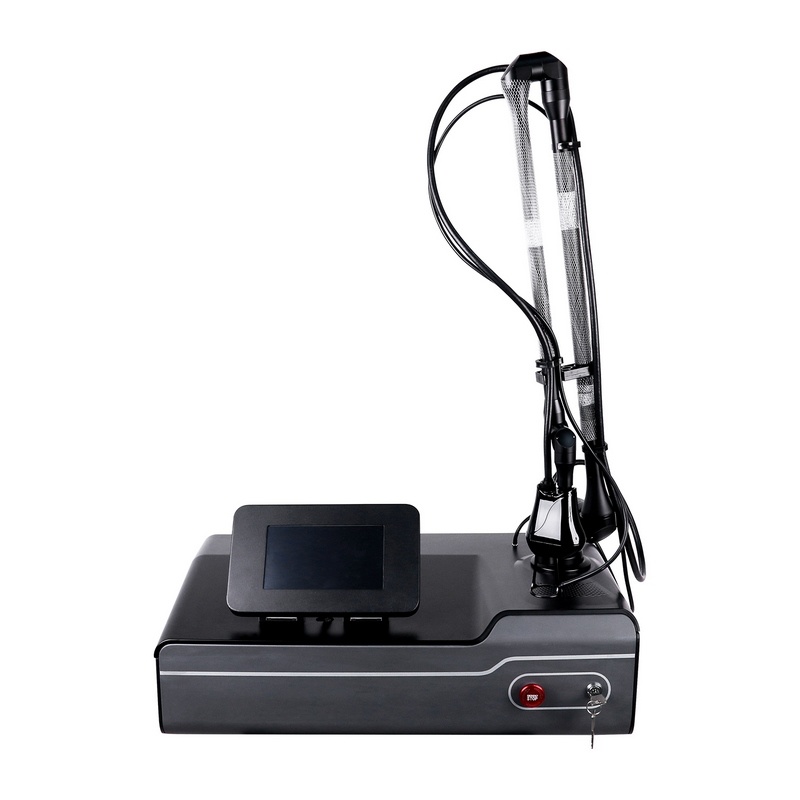
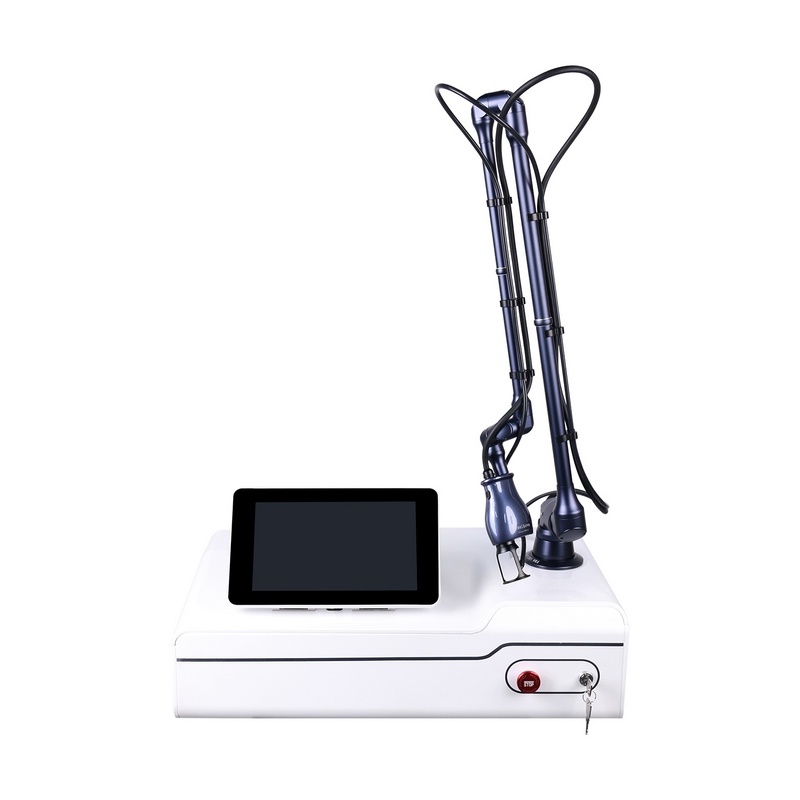
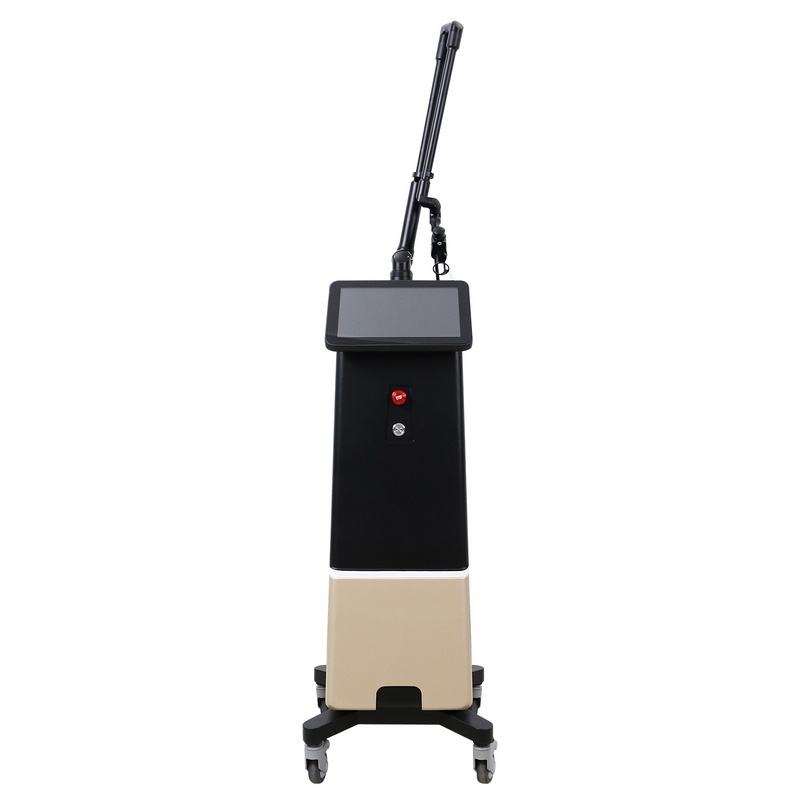
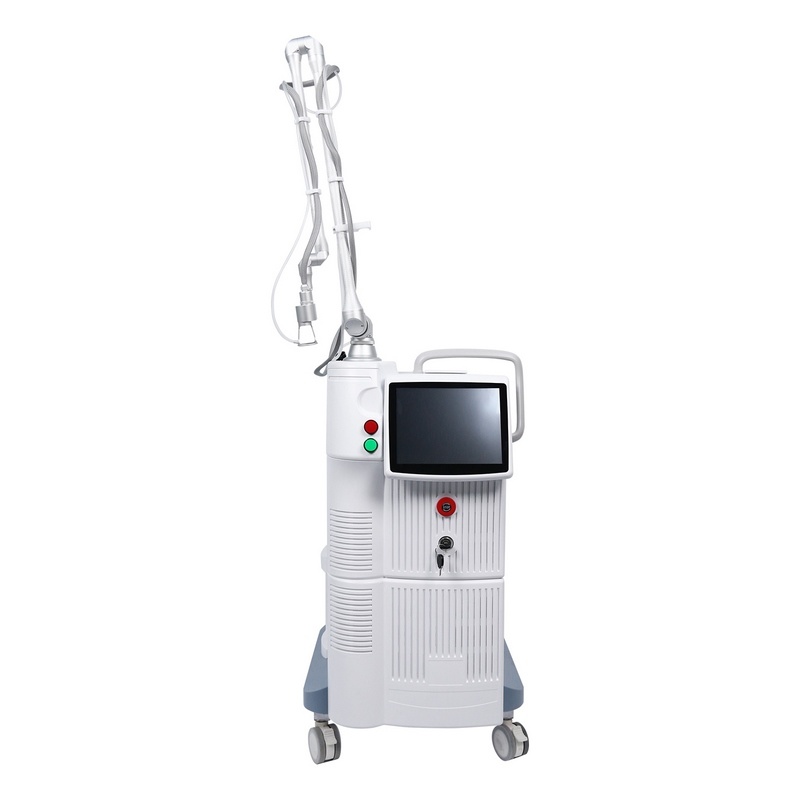
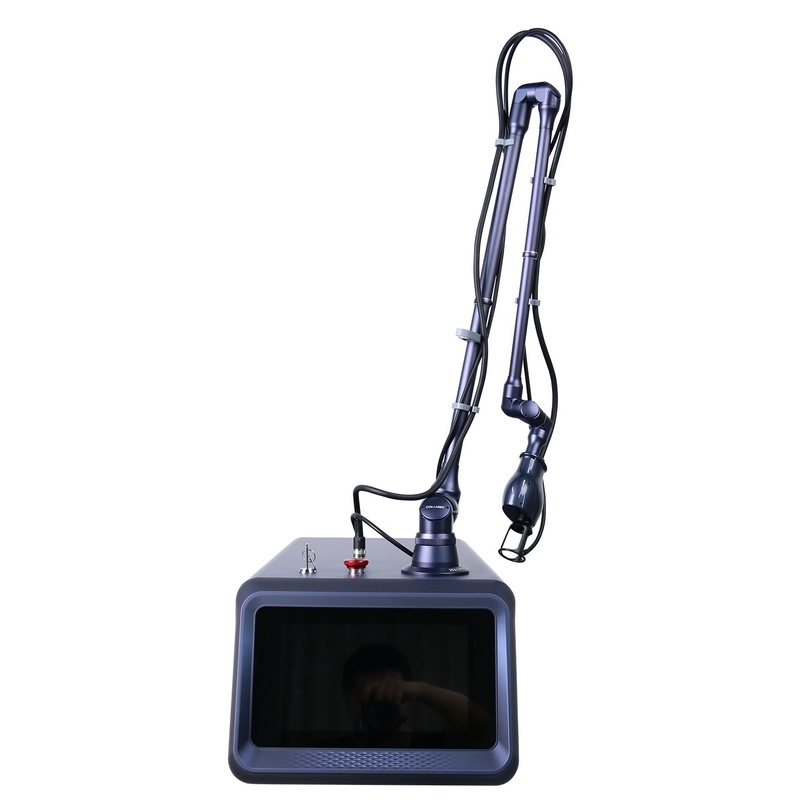
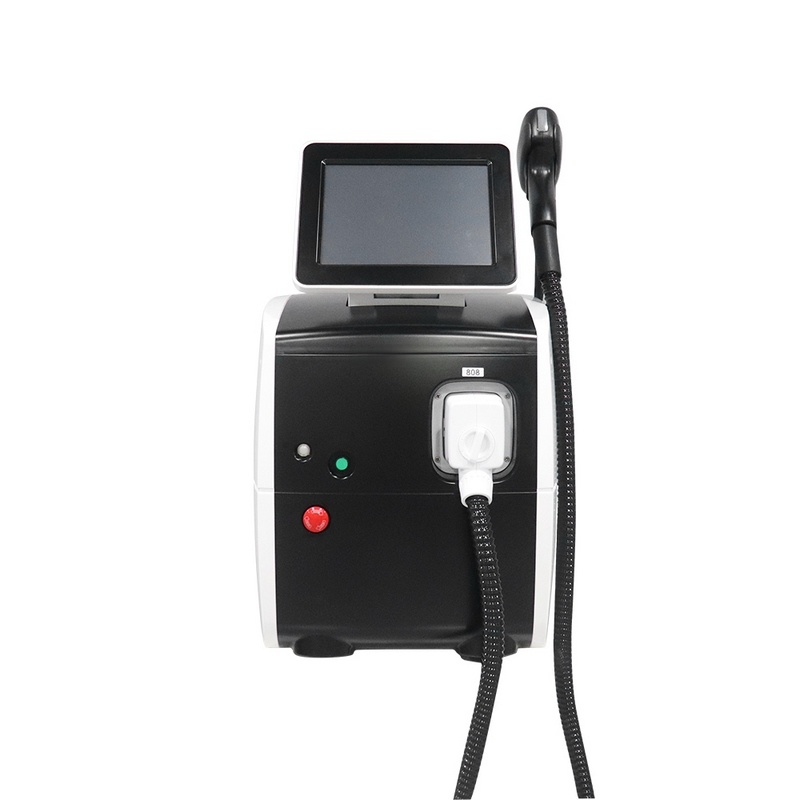
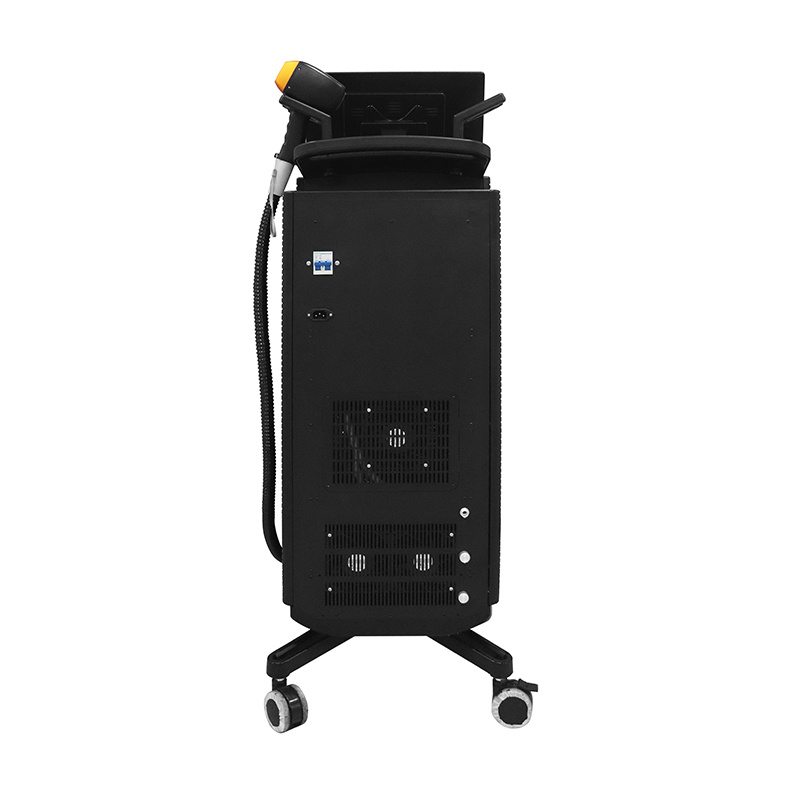
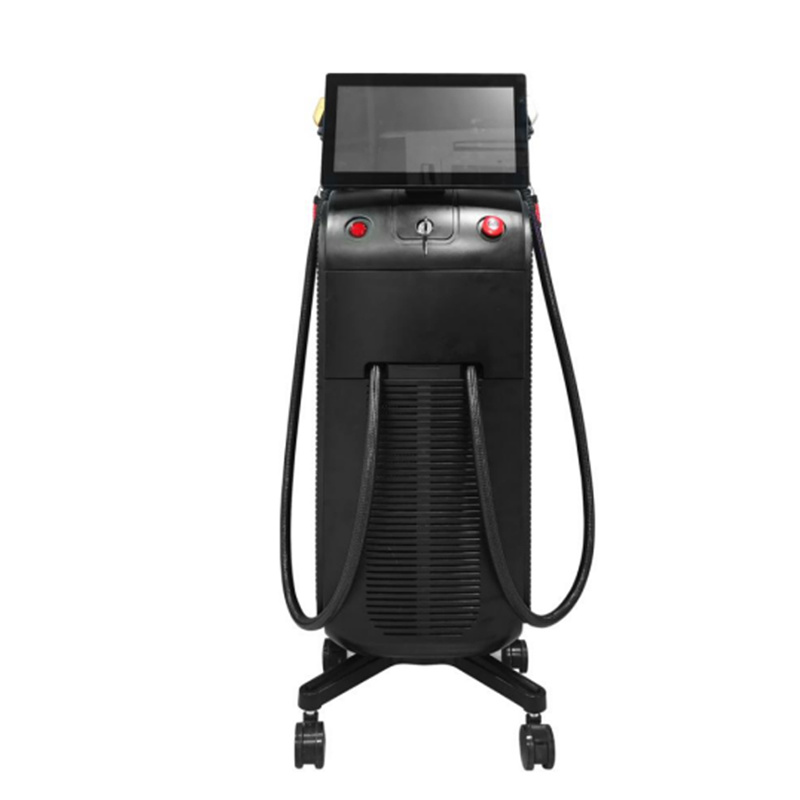
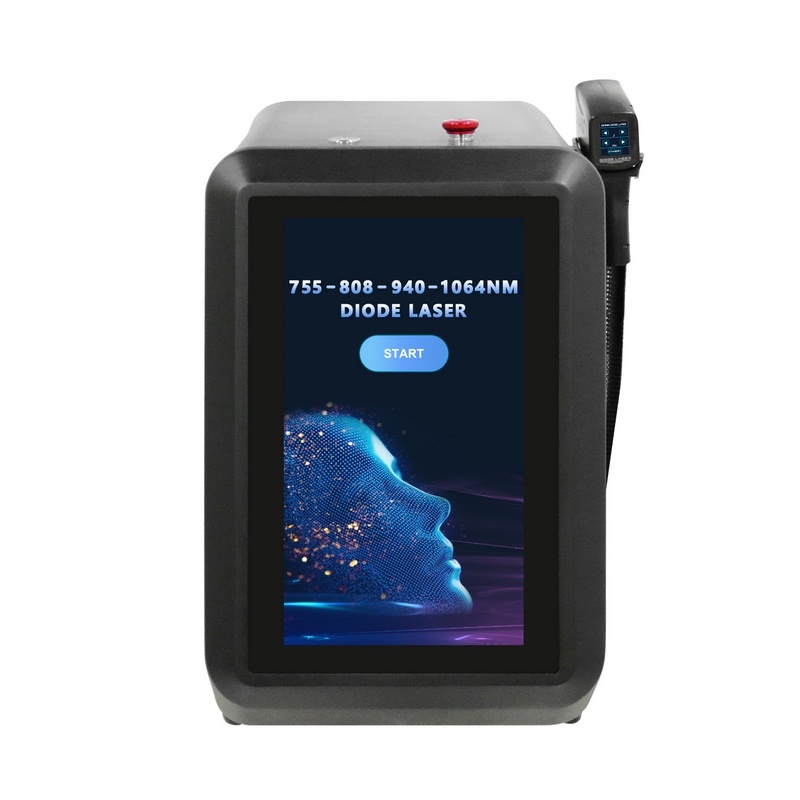
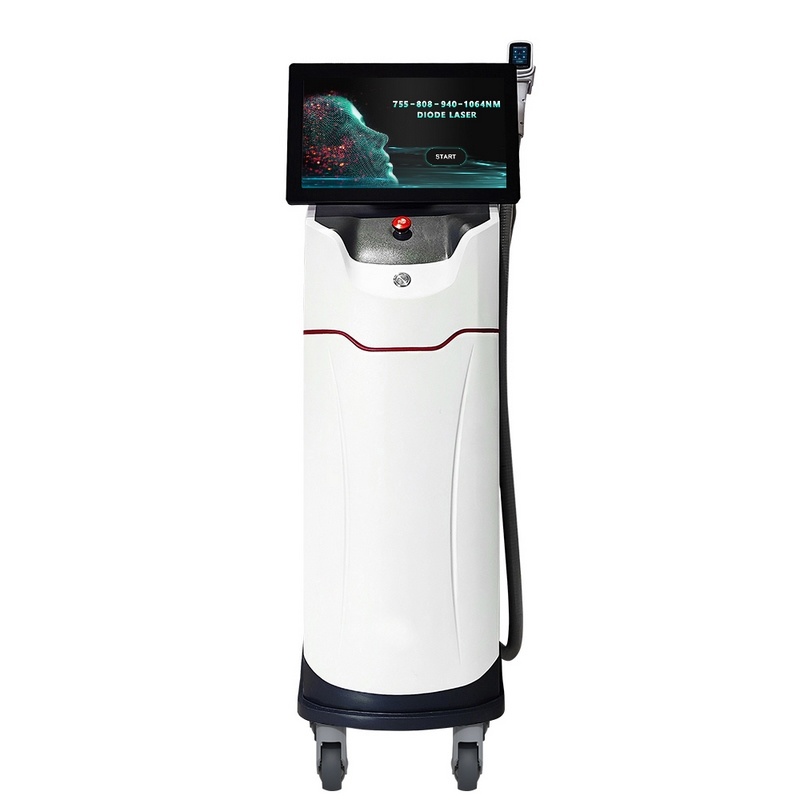

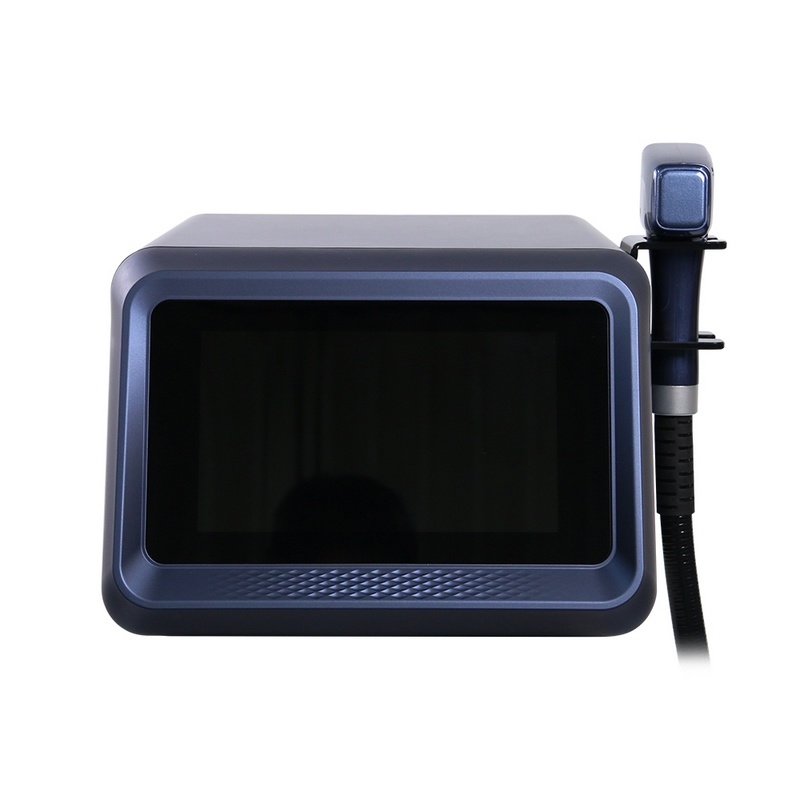
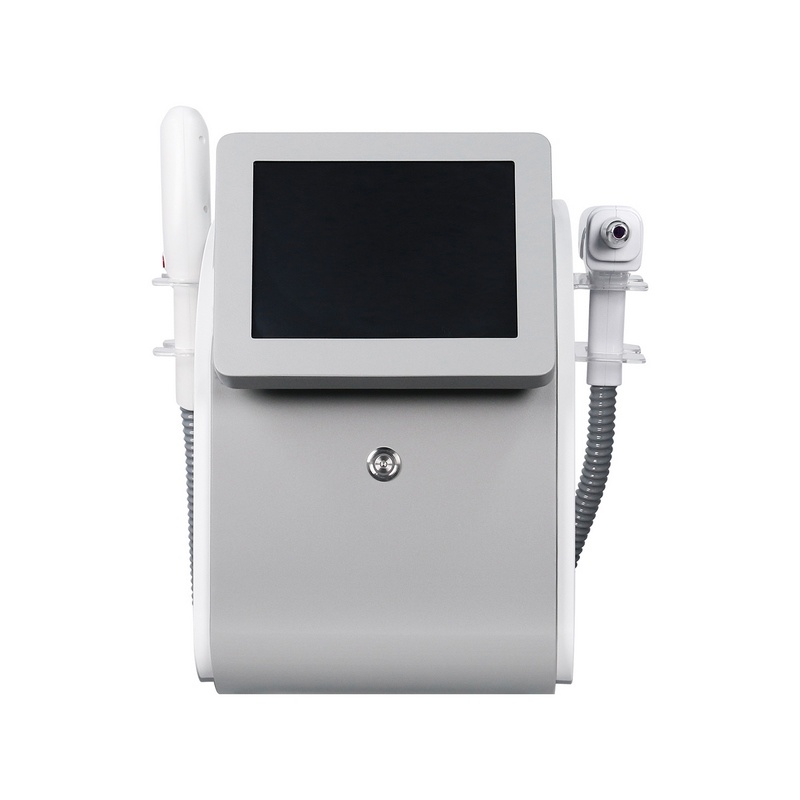
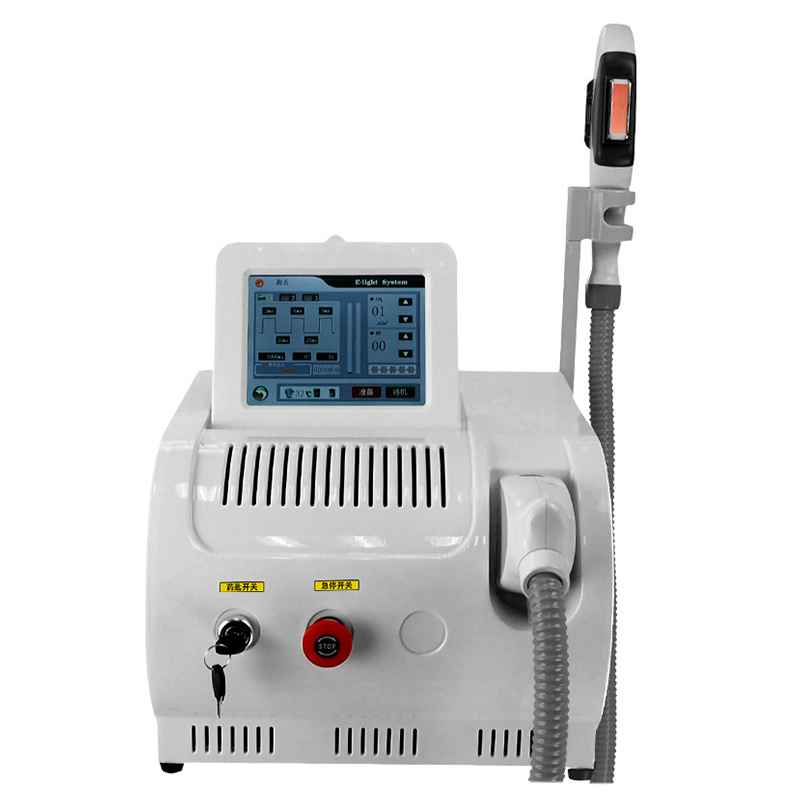

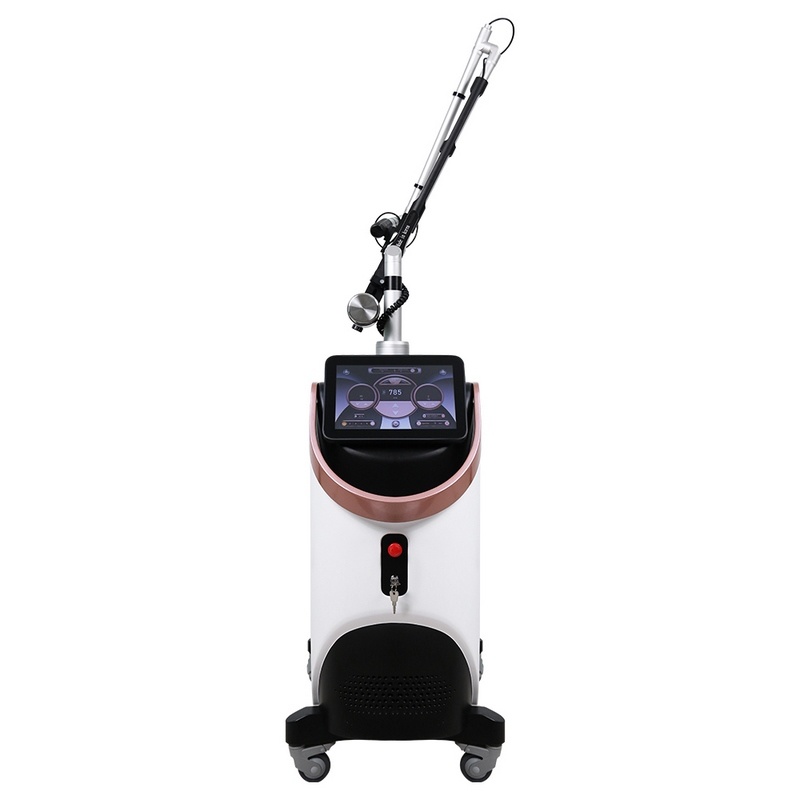
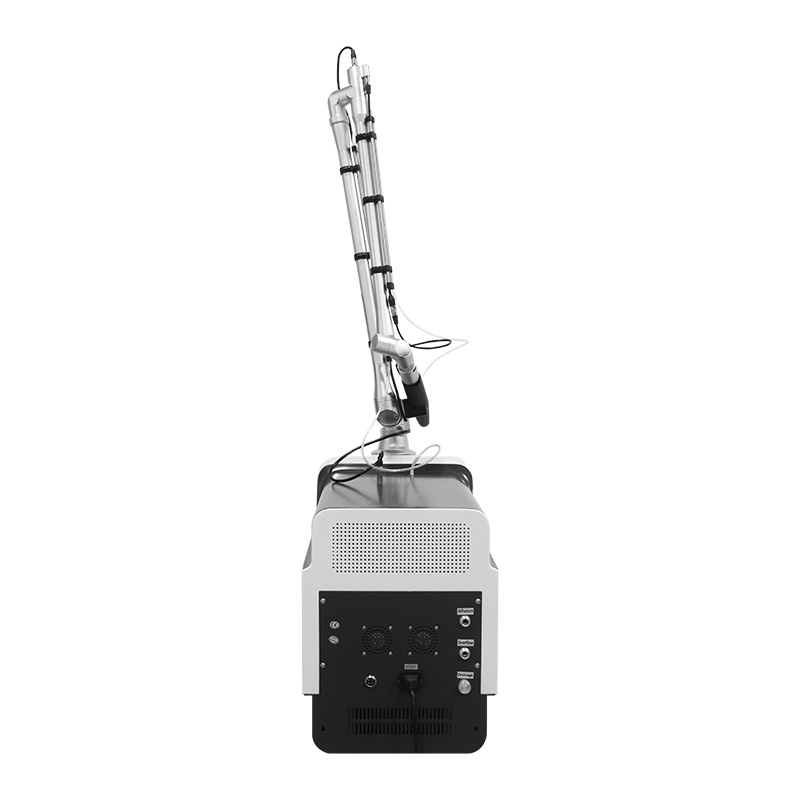
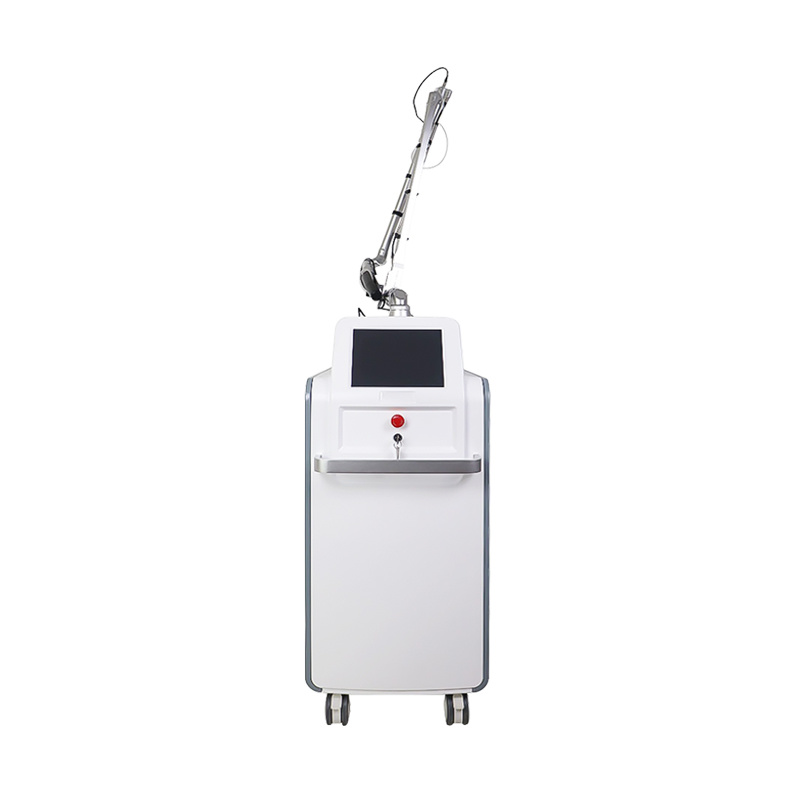
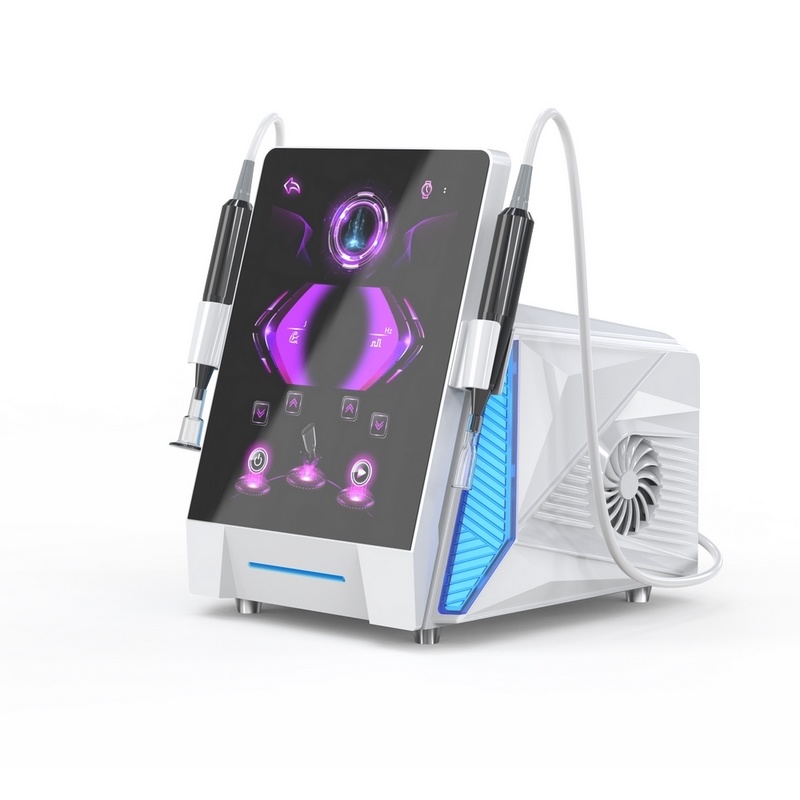
The Evolution of Hair Removal: Embracing the Newest Diode Laser Machine
The Evolution of Hair Removal: Embracing the Newest Diode Laser Machine Table of Contents 1. Introduction to Hair Removal Technologies 2. A Brief History of Hair Removal Methods 3. Traditional Hair Removal Methods: Pros and Cons 4. Advancements in Hair Removal Technology 5. What is a Diode Laser Machine? 6. How Does Diode Laser Hair Removal Work? 7. Benefits of Diode Laser Hair Remo
Apr 11,2026
The Evolution of Hair Removal: Embracing the Newest Diode Laser Machine
Table of Contents
- 1. Introduction to Hair Removal Technologies
- 2. A Brief History of Hair Removal Methods
- 3. Traditional Hair Removal Methods: Pros and Cons
- 4. Advancements in Hair Removal Technology
- 5. What is a Diode Laser Machine?
- 6. How Does Diode Laser Hair Removal Work?
- 7. Benefits of Diode Laser Hair Removal
- 8. Safety and Efficacy of Diode Laser Treatments
- 9. Conclusion
- 10. Frequently Asked Questions
1. Introduction to Hair Removal Technologies
In a world where personal grooming is often linked to self-esteem and confidence, the evolution of hair removal techniques has been remarkable. As we advance into an era of technology and innovation, the **diode laser machine** stands out as a game-changer in cosmetic dermatology. This article explores the evolution of hair removal methods, focusing on the newest diode laser technology that promises safer, faster, and more effective results.
2. A Brief History of Hair Removal Methods
The quest for smooth skin dates back to ancient civilizations. Historical records reveal that the Egyptians used **sugar paste** and **razors**, while the Greeks opted for **tweezers** and **pumice stones**. As societies evolved, so did hair removal techniques. The introduction of **painless methods** emerged in the late 20th century with the advent of laser technology.
Early Laser Hair Removal
Initially, laser hair removal faced challenges related to skin safety and efficacy. The first generation of laser devices was largely inefficient and often resulted in painful experiences for users. However, with scientific advancements, the technology began to evolve, leading to the development of more effective systems.
3. Traditional Hair Removal Methods: Pros and Cons
Before the widespread adoption of laser technology, individuals relied heavily on traditional methods of hair removal.
Shaving
Shaving is the most common method due to its convenience and cost-effectiveness. However, it often leads to **razor burns**, **ingrown hairs**, and requires frequent maintenance.
Waxing
Waxing provides longer-lasting results but can be painful and time-consuming. It also carries the risk of skin irritation and potential allergic reactions.
Tweezing
Tweezing is effective for small areas, but it is labor-intensive and not suitable for larger patches of hair.
4. Advancements in Hair Removal Technology
As technology progressed, the beauty industry witnessed the rise of various hair removal devices, with laser technology at the forefront. The diode laser machine, in particular, has gained immense popularity due to its efficiency and safety.
5. What is a Diode Laser Machine?
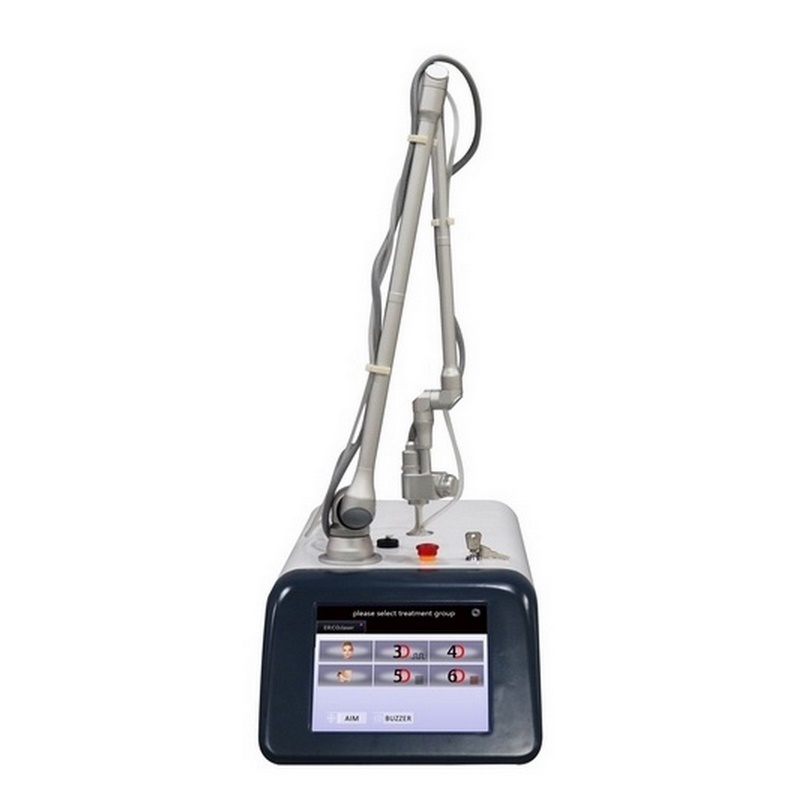
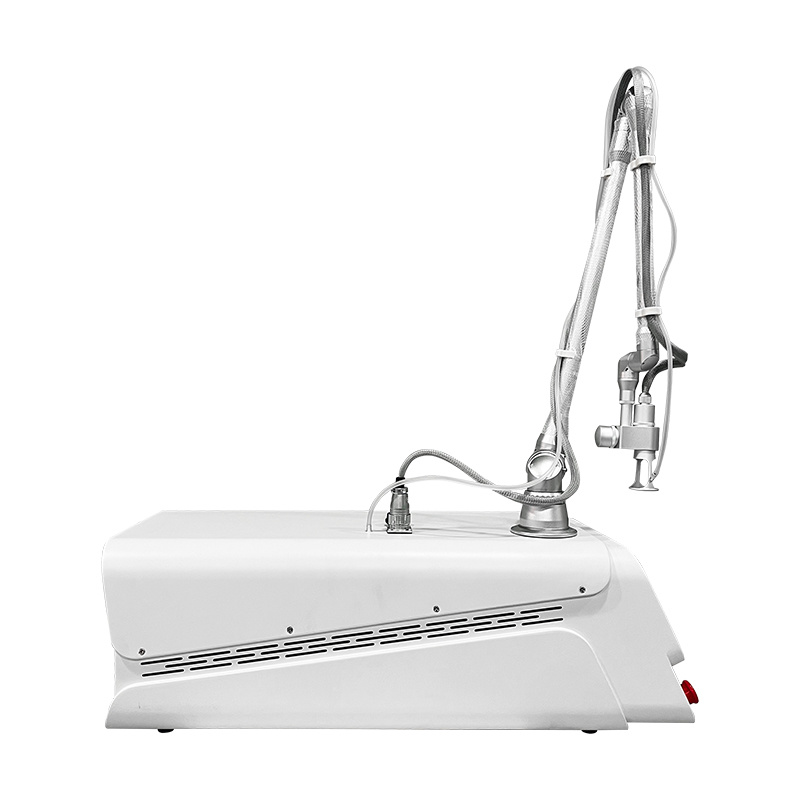
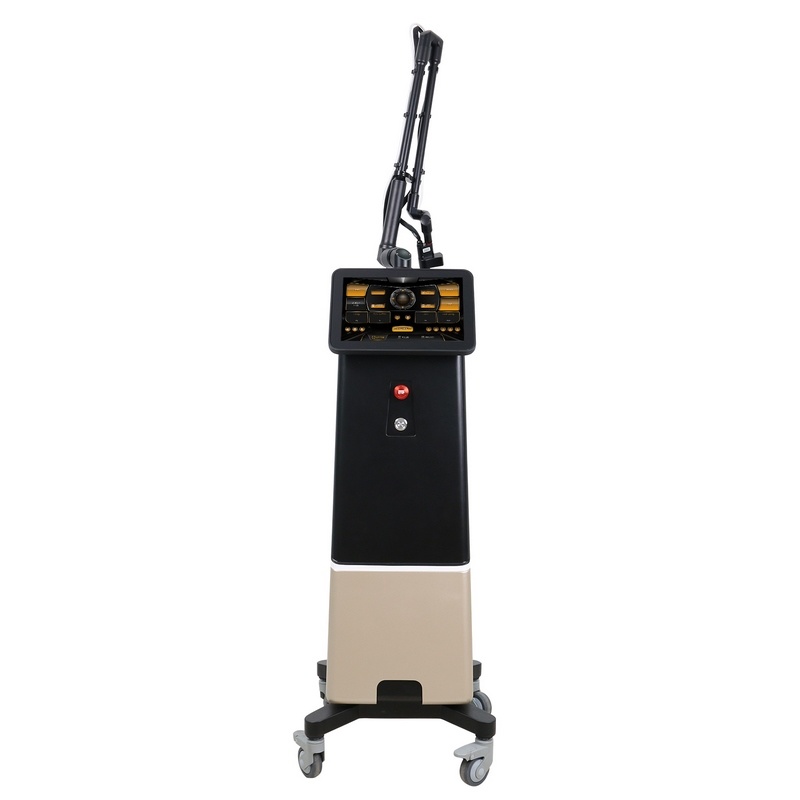
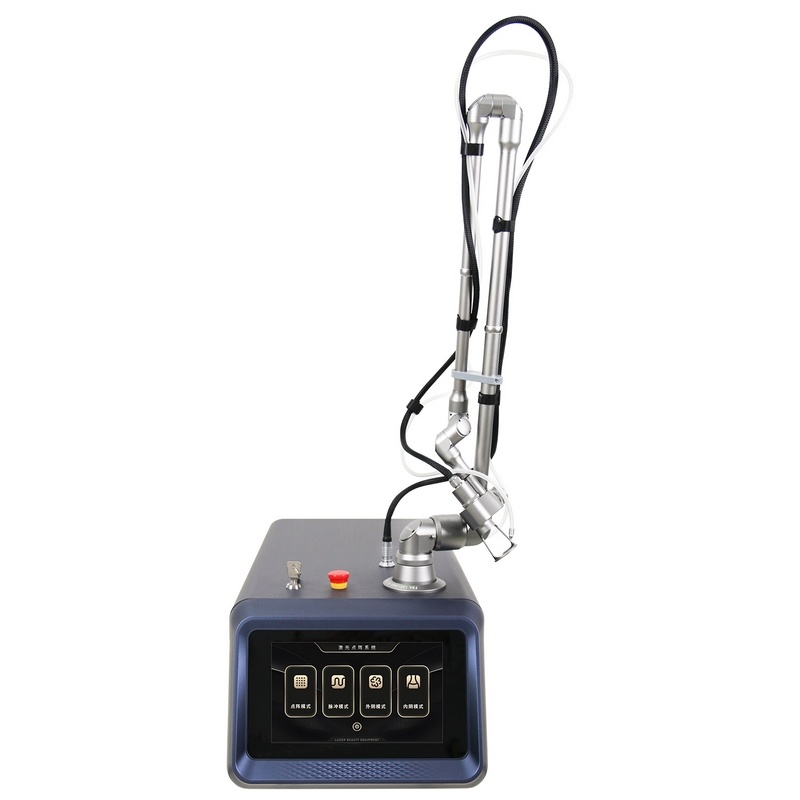
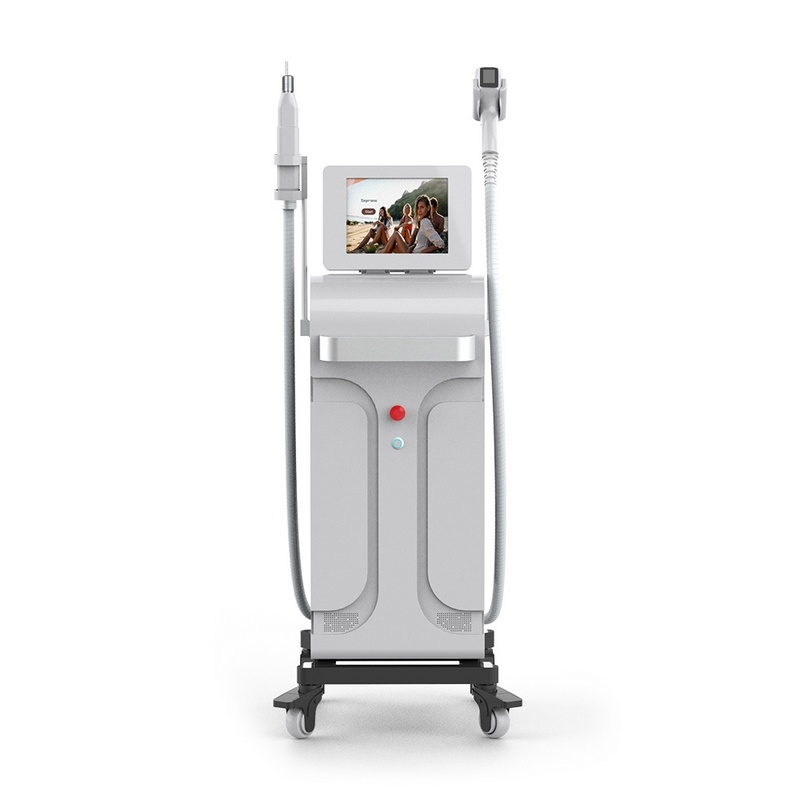
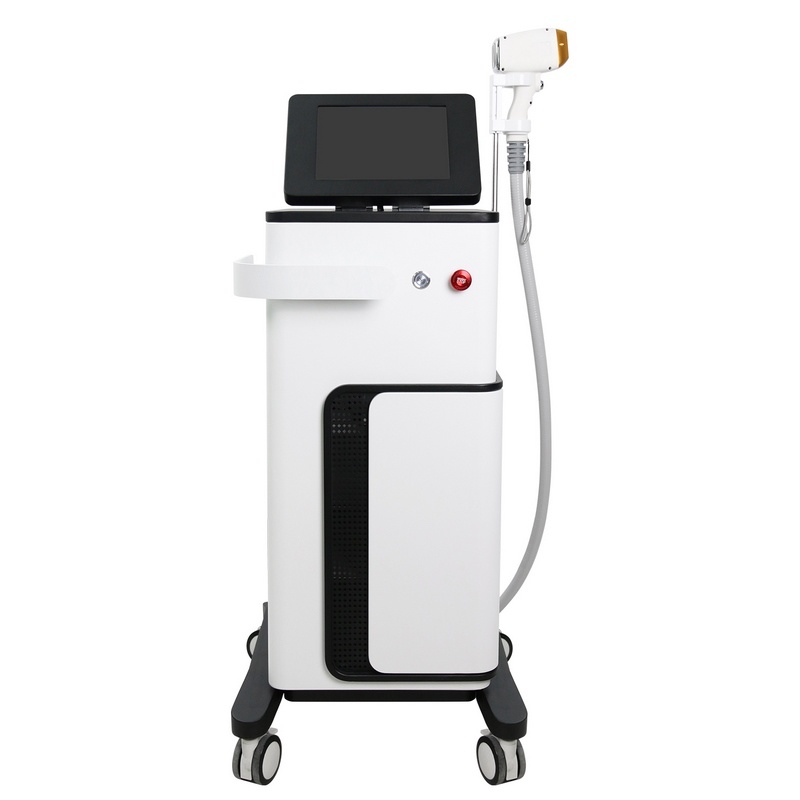
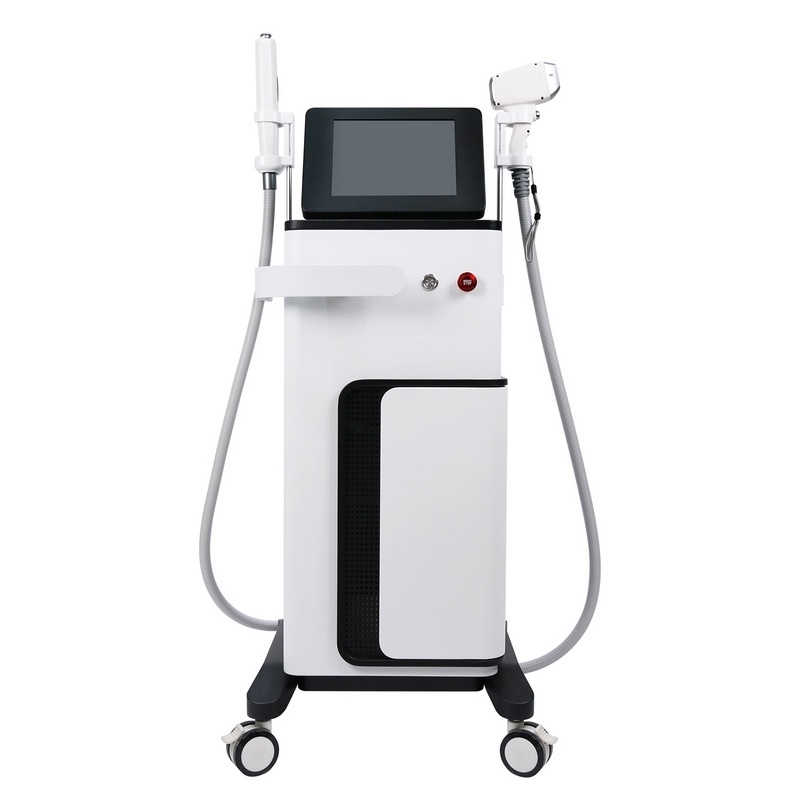
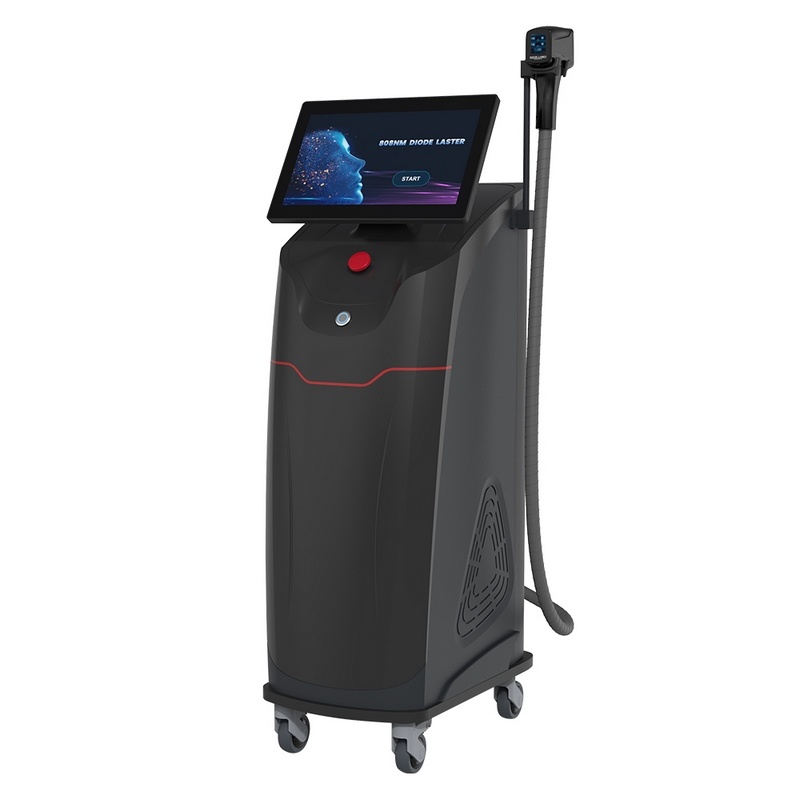
A **diode laser machine** utilizes a semiconductor diode to produce a coherent beam of light. This technology allows for the precise targeting of hair follicles while minimizing damage to surrounding tissues.
Types of Diode Lasers
There are various types of diode lasers, including those with different wavelength settings and pulse durations, offering tailored solutions for various hair types and skin tones.
6. How Does Diode Laser Hair Removal Work?
Diode laser hair removal operates on the principle of **selective photothermolysis**. The process involves three key steps:
1. Targeting Melanin
The laser energy is absorbed by the melanin in the hair follicles. This selective targeting ensures that the hair is effectively destroyed while preserving the surrounding skin.
2. Heat Production
As the laser light penetrates the skin, it generates heat, which damages the hair follicle, inhibiting future hair growth.
3. Hair Cycle Synchronization
Laser hair removal is most effective during the **anagen phase** of the hair growth cycle. Multiple sessions are typically required to achieve optimal results as hair grows in cycles.
7. Benefits of Diode Laser Hair Removal
Diode laser hair removal offers numerous advantages over traditional methods.
Pain Reduction
With modern cooling systems integrated into diode laser machines, discomfort is significantly minimized during treatment sessions.
Precision and Speed
Diode lasers provide precise targeting, making them effective for all hair types and colors. Moreover, the procedure is relatively quick, allowing for larger areas to be treated in less time.
Long-Lasting Results
Unlike temporary solutions, diode laser hair removal offers long-lasting results, often leading to permanent hair reduction after several sessions.
Safe for All Skin Types
Modern diode lasers can effectively treat a wide range of skin types, making them a versatile option for diverse clientele.
8. Safety and Efficacy of Diode Laser Treatments
Safety is a primary concern in any cosmetic procedure. Diode laser treatments have undergone extensive clinical testing, establishing their safety and efficacy.
Potential Side Effects
While side effects are minimal, they can include temporary redness, swelling, and mild discomfort. However, these symptoms typically resolve within hours or days after treatment.
Who Should Avoid Diode Laser Treatments?
Individuals with certain skin conditions, those who are pregnant, or those taking specific medications should consult with a qualified practitioner before proceeding with diode laser treatments.
9. Conclusion
The evolution of hair removal technologies has paved the way for innovative solutions that cater to diverse needs. The **diode laser machine** stands out as a revolutionary tool in the realm of hair removal, marrying efficiency with safety and precision. As more individuals seek long-term solutions for unwanted hair, diode laser treatments will continue to rise in popularity, offering the promise of smooth, hair-free skin for years to come.
10. Frequently Asked Questions
1. How many sessions are needed for effective diode laser hair removal?
Typically, 6 to 8 sessions are recommended for optimal results, depending on individual hair growth cycles and areas being treated.
2. Is diode laser hair removal painful?
Most patients report minimal discomfort during treatment due to the advanced cooling mechanisms built into the diode laser machines.
3. Can anyone get diode laser hair removal?
While diode laser hair removal is safe for most skin types, individuals with certain skin conditions should consult a dermatologist before proceeding.
4. How soon will I see results from diode laser hair removal?
Many individuals notice a reduction in hair growth after the first session, with continued improvement seen after multiple treatments.
5. What should I do after a diode laser hair removal session?
Post-treatment care includes avoiding sun exposure, refraining from hot showers, and moisturizing the treated areas to promote healing.
By understanding the advancements and benefits of diode laser hair removal, individuals can make informed choices about their hair removal options, leading to a more confident and groomed appearance.

Contact
Email:dpl.beautytech@gmail.com
WhatsApp: +86 19988281675
Room 307, No.8, No.2 Road, Wanggang Industrial Zone, Jiahe Street, Baiyun District, Guangzhou, China
Request Quote
Note: Please be sure to fill in the information accurately and keep communication open, we will get in touch with you as soon as possible