More Contacts






-
ProductsContactThe company mainly develops technologies in intense pulsed light, Laser, RF, Vacuum cavitation, and Ultrasonic.
-
OEM/ODMContactThe company mainly develops technologies in intense pulsed light, Laser, RF, Vacuum cavitation, and Ultrasonic.
-
ContactThe company mainly develops technologies in intense pulsed light, Laser, RF, Vacuum cavitation, and Ultrasonic.
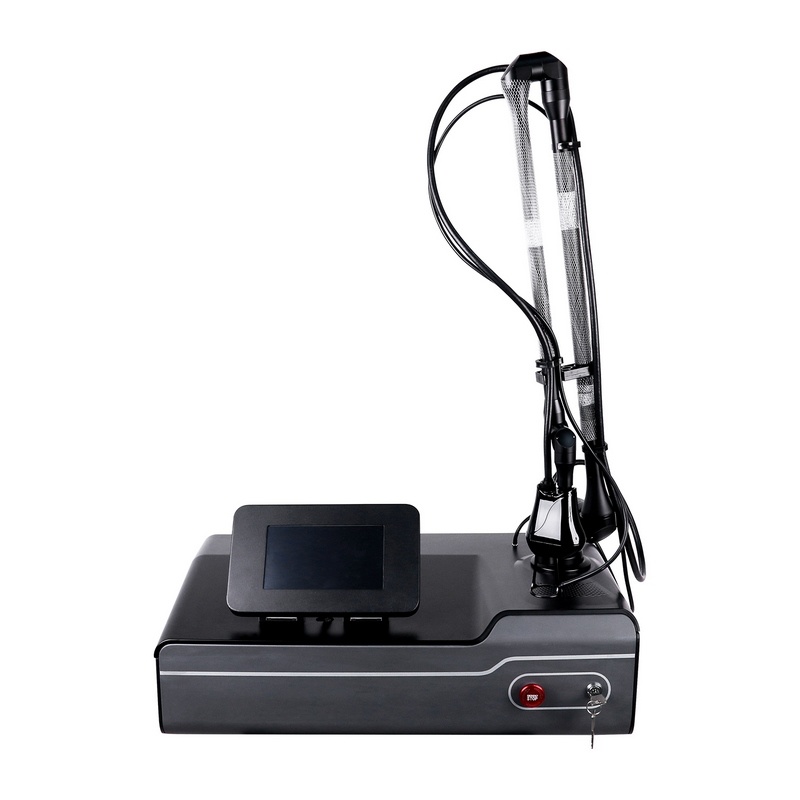
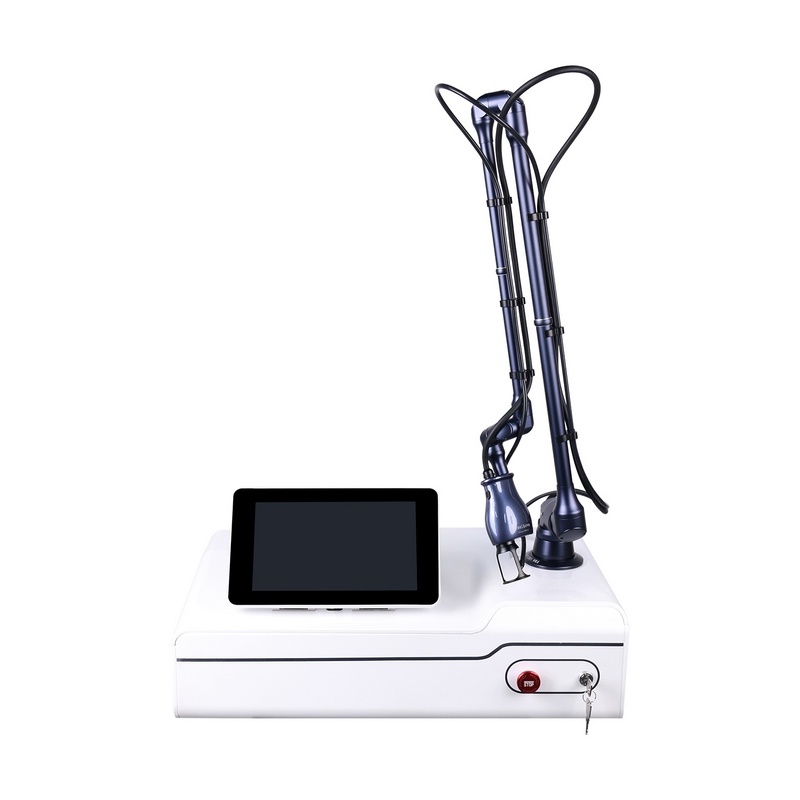
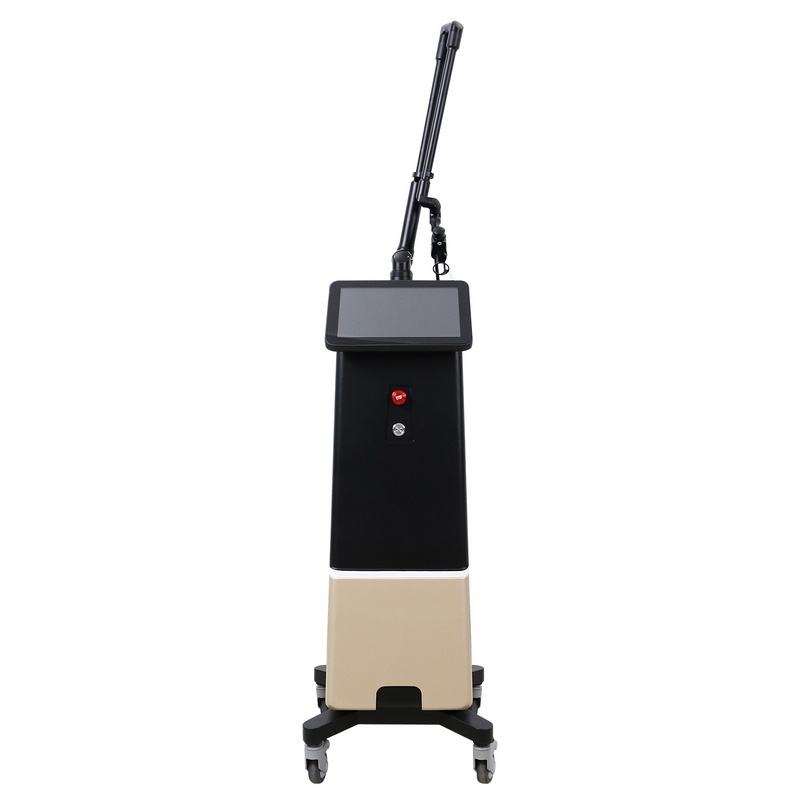
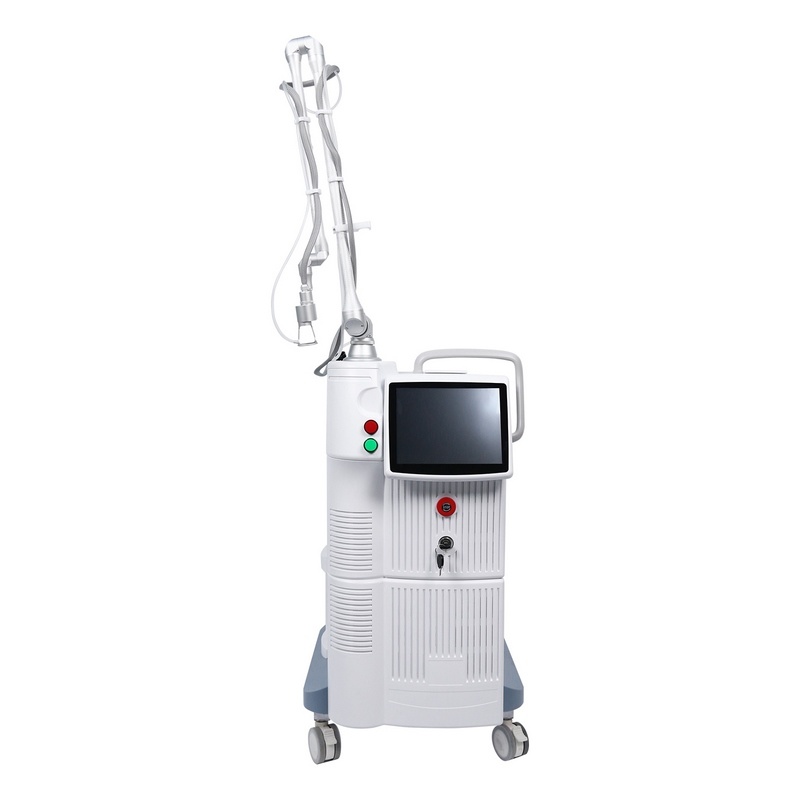
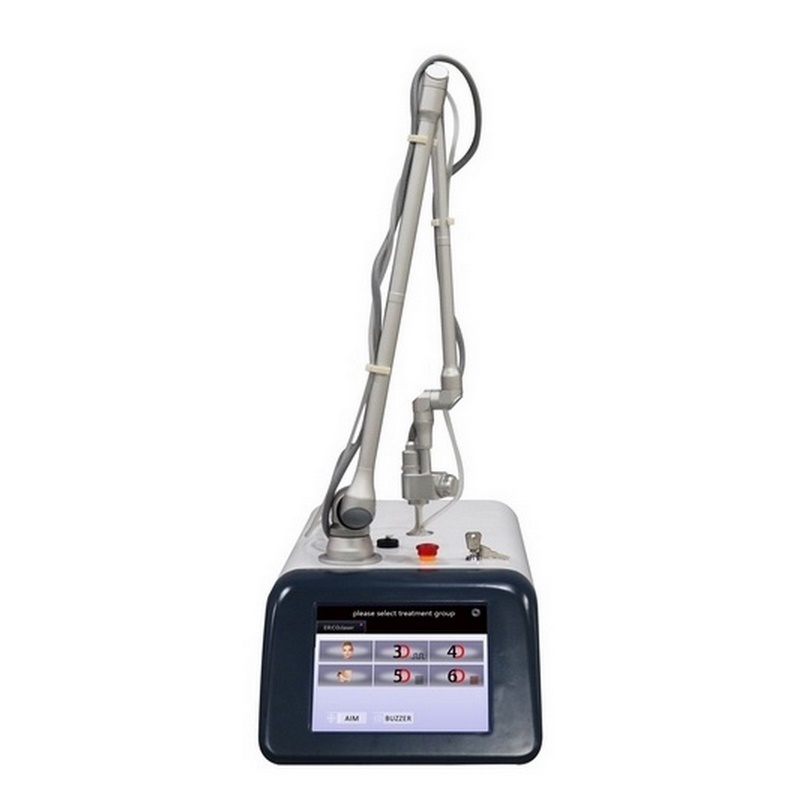
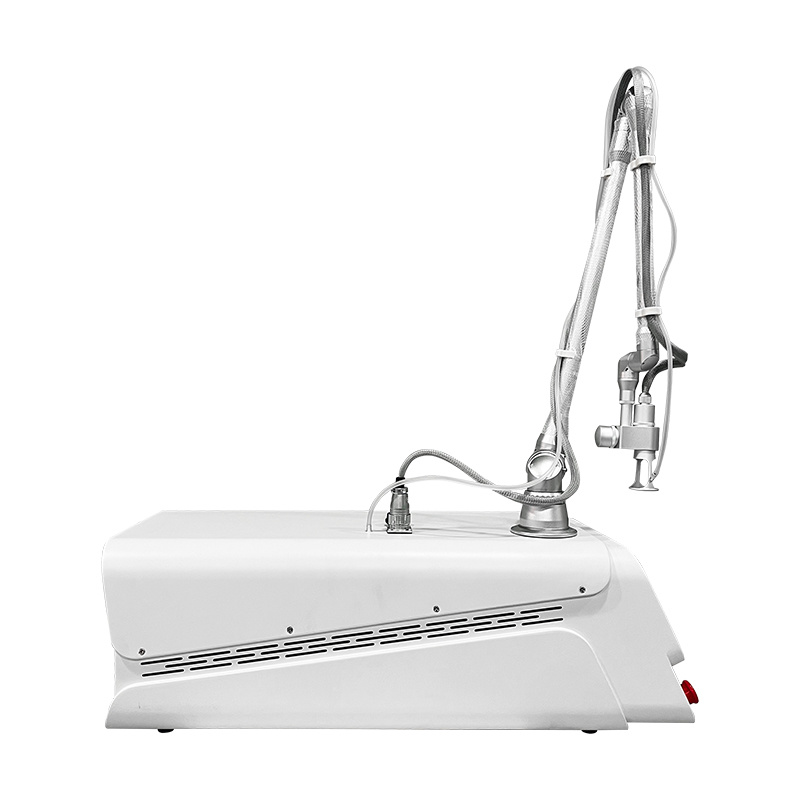
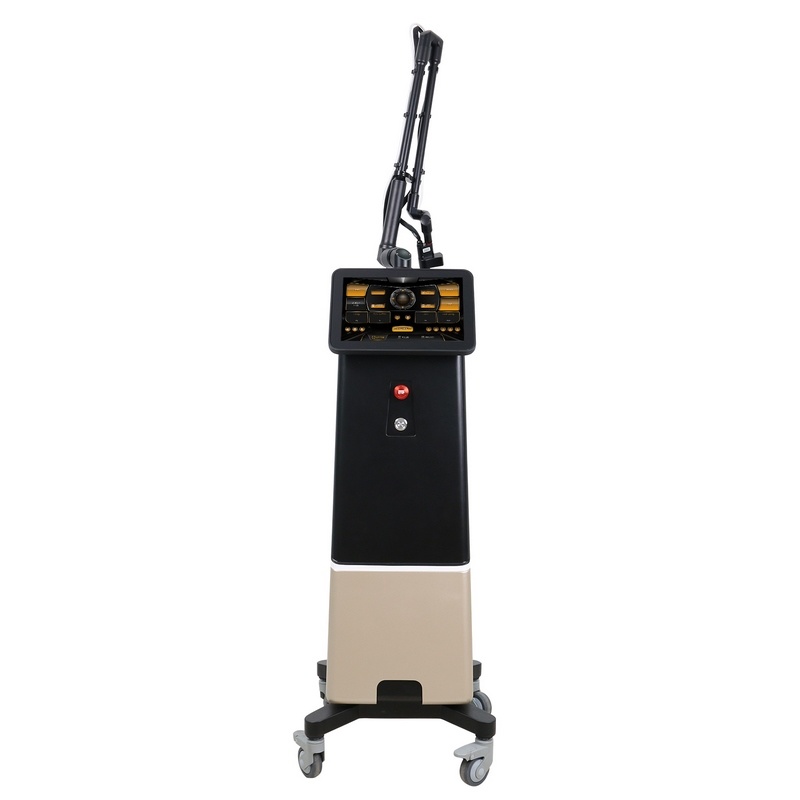
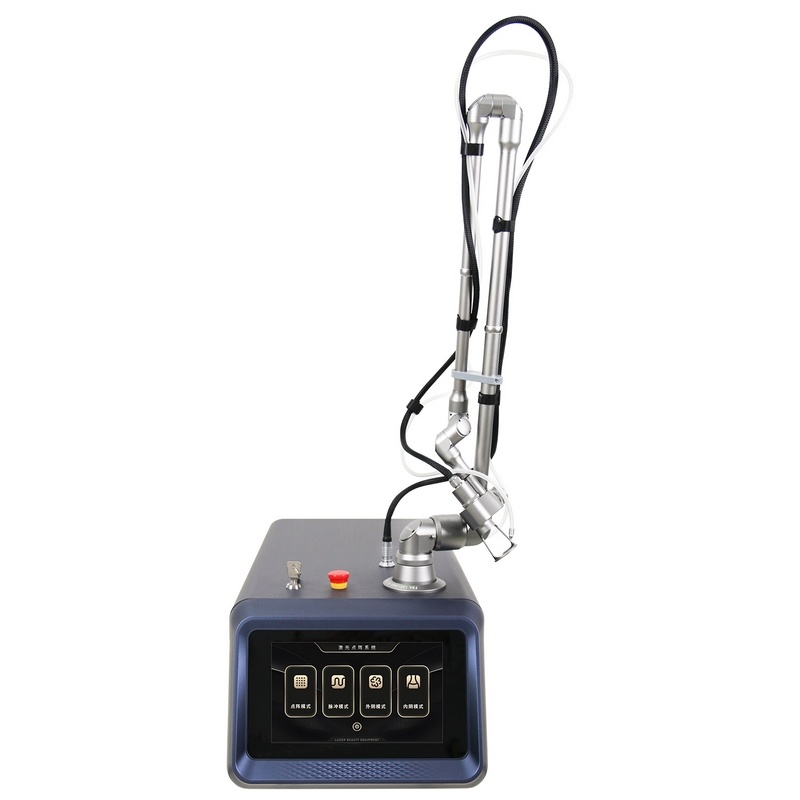
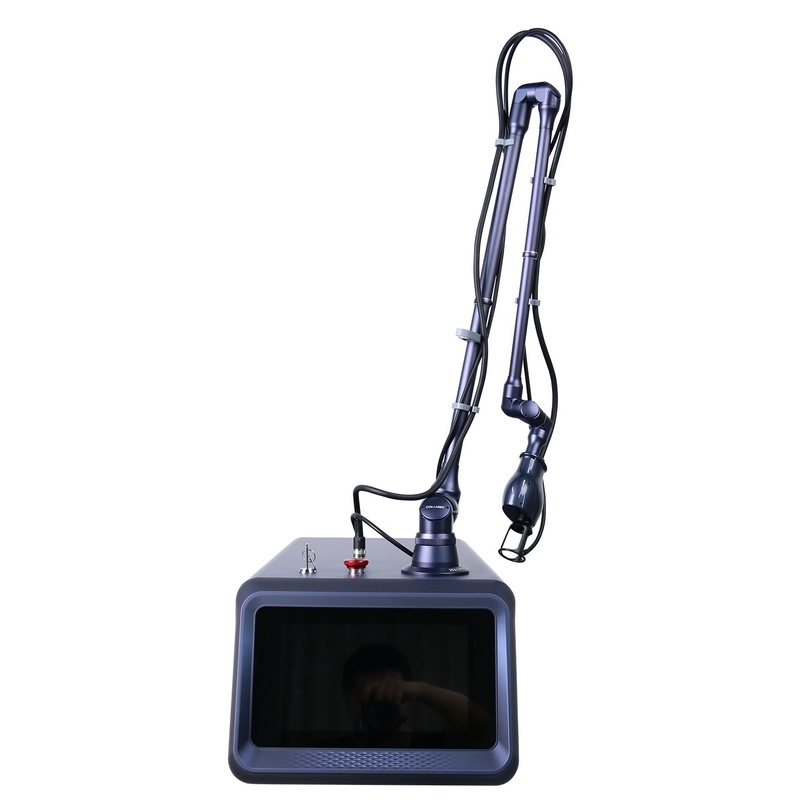
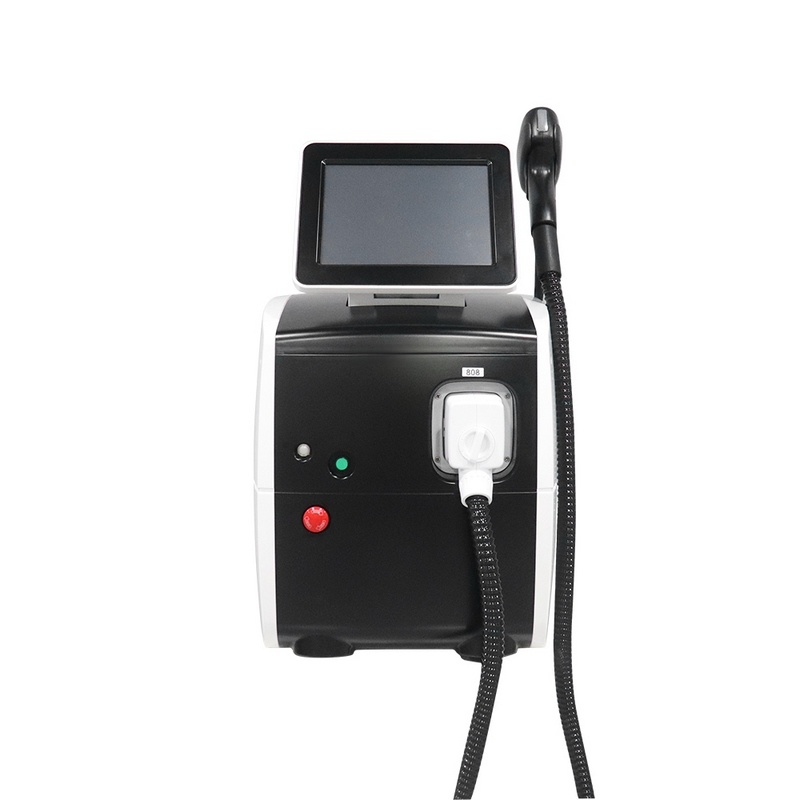
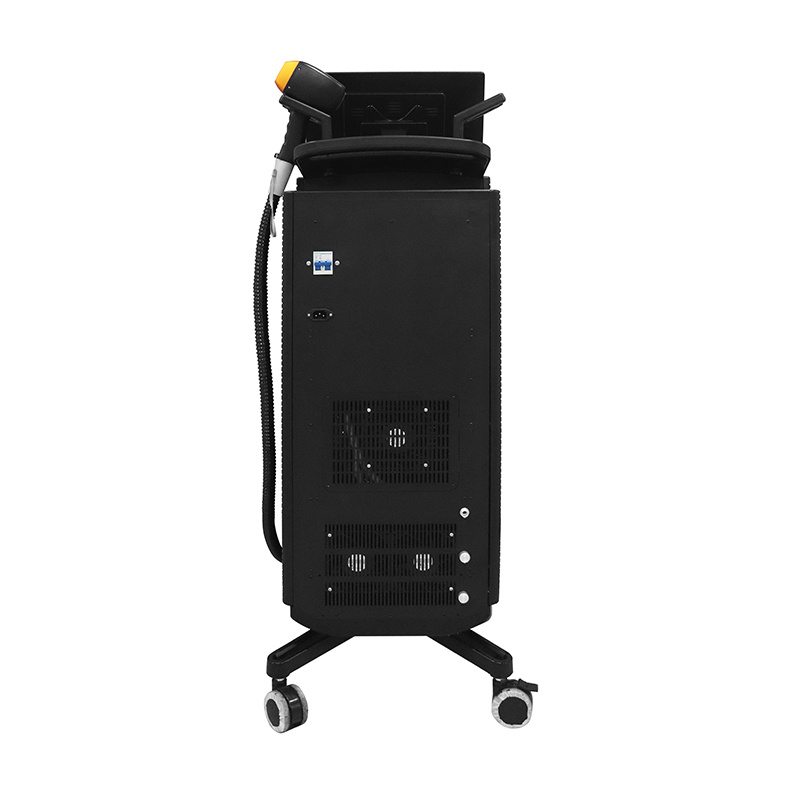
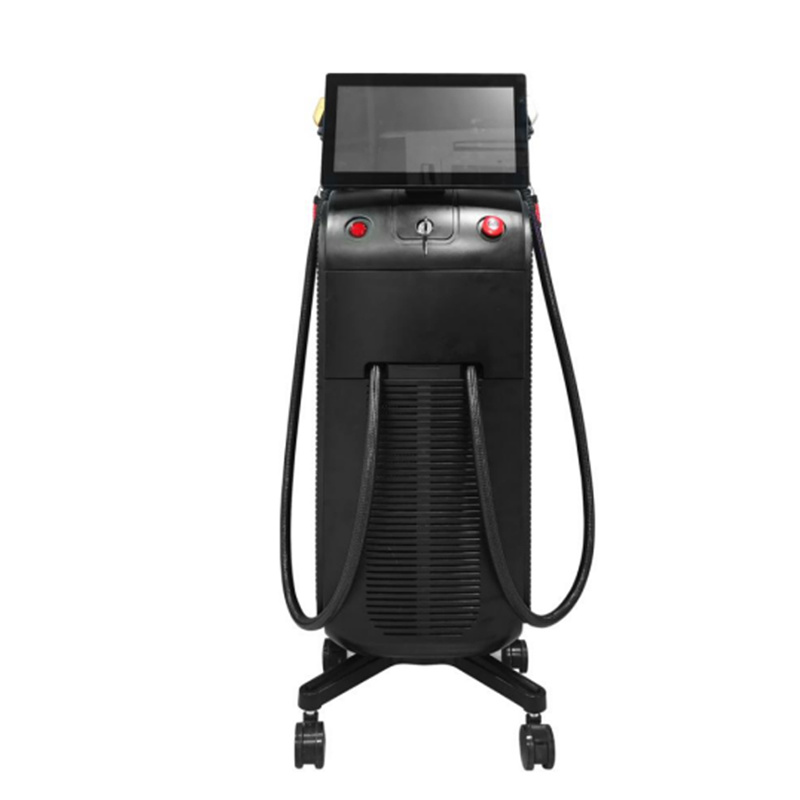
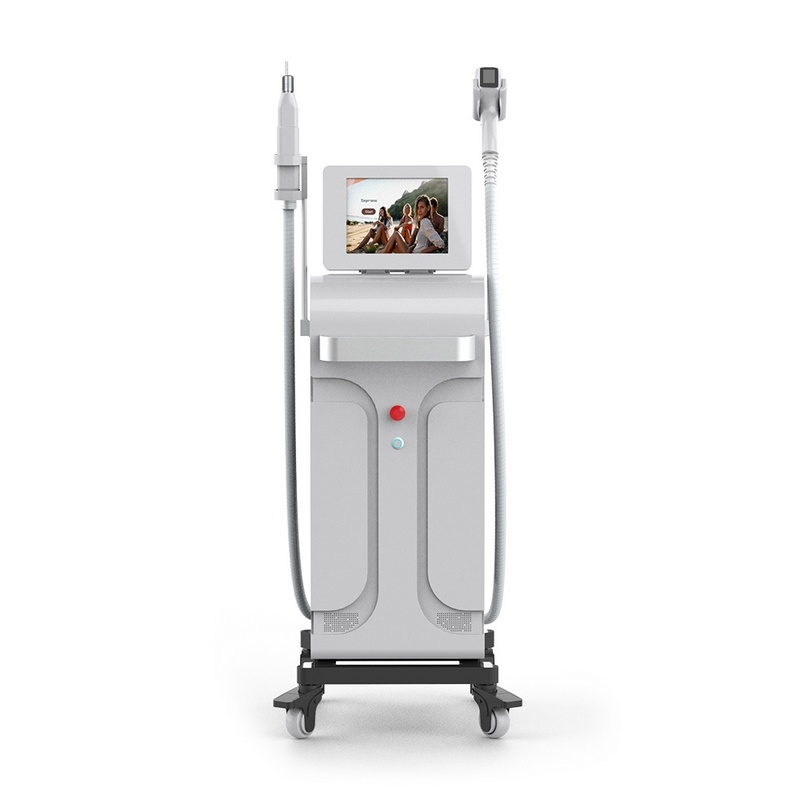
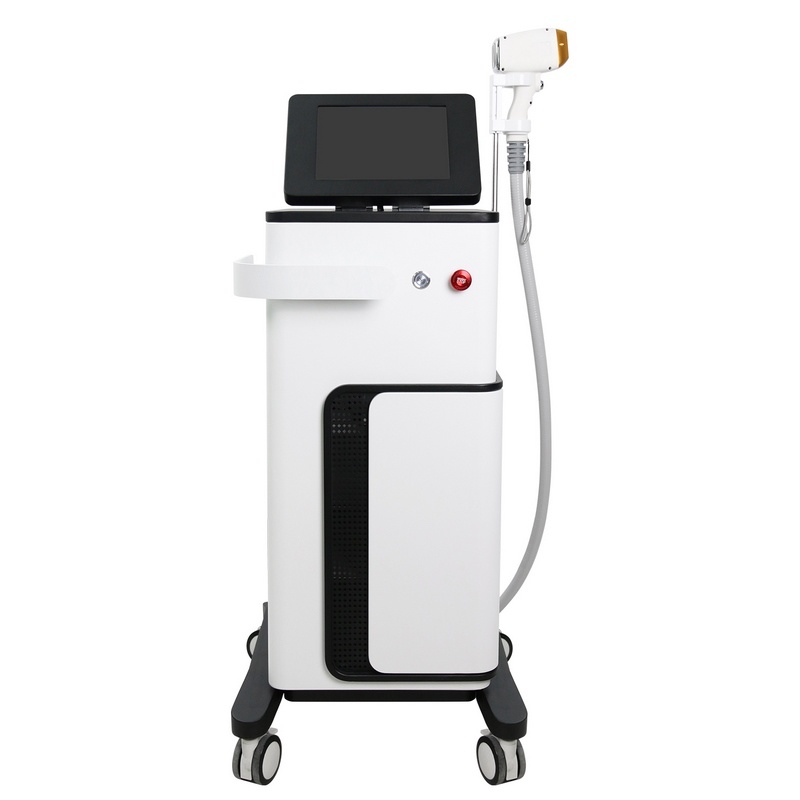
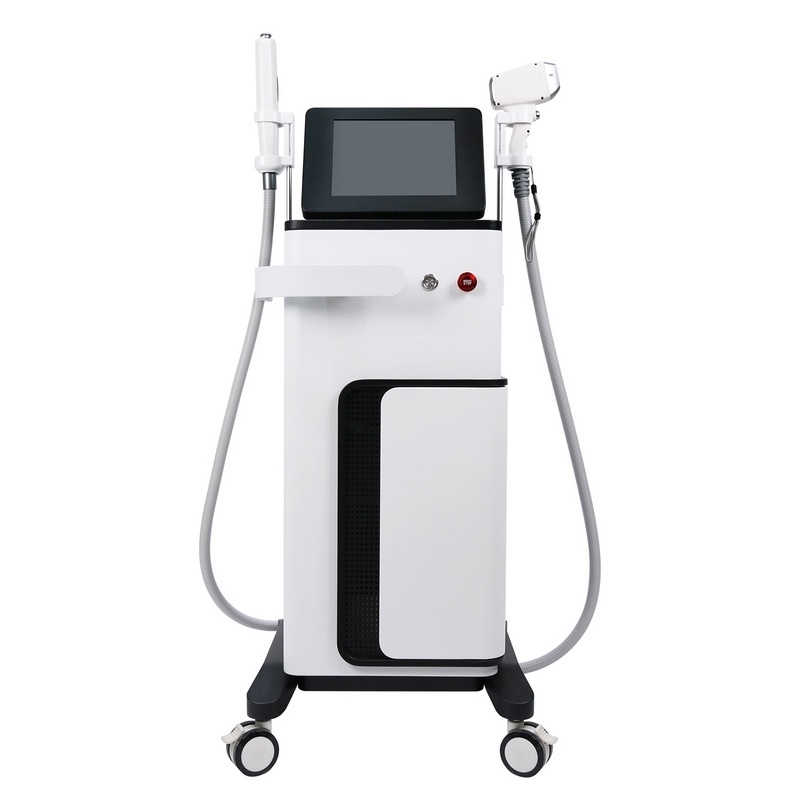
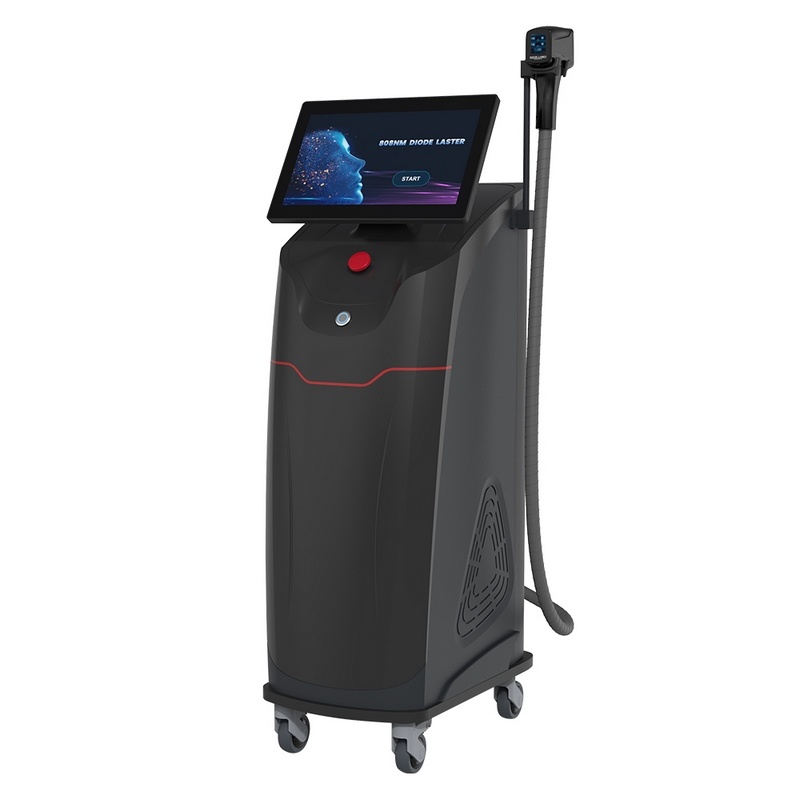
Comparing the Best Cosmetic Laser Equipment: A Comprehensive Guide for Professionals
Comparing the Best Cosmetic Laser Equipment: What You Need to Know In the ever-evolving world of aesthetic medicine, selecting the right cosmetic laser equipment is crucial for achieving optimal results for clients. With a plethora of options available, understanding the nuances of each type of laser can empower practitioners to elevate their services. This comprehensive guide will delve into the
May 05,2026
Comparing the Best Cosmetic Laser Equipment: What You Need to Know
In the ever-evolving world of aesthetic medicine, selecting the right cosmetic laser equipment is crucial for achieving optimal results for clients. With a plethora of options available, understanding the nuances of each type of laser can empower practitioners to elevate their services. This comprehensive guide will delve into the various types of cosmetic laser equipment, their uses, benefits, and considerations to help you make an informed decision.
Table of Contents
- Introduction to Cosmetic Lasers
- Understanding Laser Technology
- Types of Cosmetic Lasers
- Comparing Leading Cosmetic Laser Devices
- Safety and Regulations in Cosmetic Laser Use
- Maintenance and Costs of Laser Equipment
- Frequently Asked Questions
- Conclusion
Introduction to Cosmetic Lasers
Cosmetic lasers have revolutionized aesthetic treatments, providing solutions for various skin concerns such as wrinkles, pigmentation, and acne scars. By harnessing concentrated light energy, these machines target specific skin layers, promoting healing and rejuvenation. For any practitioner looking to enhance their offerings, understanding the intricacies of laser technology is paramount.
Understanding Laser Technology
At the heart of cosmetic laser equipment lies the fundamental principle of **light amplification by stimulated emission of radiation (LASER)**. This technology utilizes specific wavelengths of light that can penetrate the skin at different depths, each tailored for distinct skin issues. The choice of laser affects the treatment's effectiveness and the recovery time for patients, making it essential for practitioners to be well-versed in their functionalities.
Key Concepts in Laser Technology
- **Wavelength:** Different wavelengths correspond to varying skin depths and conditions. For instance, longer wavelengths are typically absorbed by deeper tissues, while shorter wavelengths target surface issues.
- **Pulse Duration:** The duration of the laser pulse can significantly influence the treatment's outcomes and patient comfort. Short pulses are often used for precise targeting, while longer pulses may be utilized for broader applications.
- **Fluence:** This refers to the energy delivered per unit area. Practitioners must balance fluence to maximize results while minimizing side effects.
Types of Cosmetic Lasers
Understanding the types of lasers available can help practitioners choose the right equipment based on their specific needs and the treatments they wish to offer.
Ablative Lasers
Ablative lasers, such as CO2 and Erbium lasers, are designed to remove the outer layers of skin. These lasers are particularly effective for deeper lines, wrinkles, and significant skin texture issues. By vaporizing tissue, ablative lasers promote significant collagen production, resulting in improved skin elasticity and appearance. However, they often require longer recovery times compared to non-ablative options.
Non-Ablative Lasers
Non-ablative lasers, such as Nd:YAG and diode lasers, are gentler and work by stimulating collagen production without damaging the skin's surface. These lasers are ideal for treating mild wrinkles, sun damage, and overall skin tone. The recovery time is significantly shorter, making them appealing for patients seeking minimal downtime.
Fractional Lasers
Fractional lasers can be classified as either ablative or non-ablative and work by delivering laser energy in a pixelated pattern. This approach allows for faster healing as only a fraction of the skin is treated at a time. Fractional lasers are effective in treating a variety of skin concerns, including scars and pigmentation.
Pulsed Dye Lasers
Pulsed dye lasers (PDL) are specifically designed for vascular lesions, such as rosacea and spider veins. They emit a concentrated beam of light that selectively targets blood vessels, reducing redness and improving skin tone. PDLs are well-regarded for their safety profile and effectiveness.
Comparing Leading Cosmetic Laser Devices
When it comes to selecting the best cosmetic laser equipment, we must consider several factors, including efficacy, safety, and user-friendliness. Below, we provide a comparison of some of the leading laser devices in the market.
1. Candela GentleMax Pro
The **Candela GentleMax Pro** is a versatile dual-wavelength laser system that combines both Alexandrite and Nd:YAG lasers. This device is renowned for its efficacy in hair removal, vascular lesions, and pigmented lesions. Its dynamic cooling device enhances patient comfort during procedures.
2. Sciton Joule
The **Sciton Joule** is a customizable platform allowing practitioners to switch between various wavelengths and modalities. It supports both fractional and full-field treatments, making it suitable for a wide range of applications. The built-in cooling system ensures enhanced patient safety and comfort.
3. Lumenis M22
The **Lumenis M22** is another multi-application platform known for treating a variety of skin conditions. It offers both ablative and non-ablative technologies, allowing for tailored treatments based on individual patient needs. Its intuitive interface simplifies operation, making it accessible for practitioners of all experience levels.
4. Alma Harmony XL Pro
The **Alma Harmony XL Pro** integrates advanced laser and light technologies for comprehensive treatment options. With a wide array of handpieces available, it addresses multiple indications, from skin rejuvenation to hair removal. Its user-friendly design makes it suitable for busy clinics.
5. Fotona SP Dynamis
The **Fotona SP Dynamis** features dual-wavelength technology for both aesthetic and medical applications. Its versatility allows for treatments ranging from skin tightening to acne scar reduction. The device is also equipped with various settings to customize treatments, ensuring patient satisfaction.
Safety and Regulations in Cosmetic Laser Use
Understanding the safety protocols and regulations surrounding cosmetic laser use is essential for any practitioner. Regulatory bodies, such as the FDA, ensure that laser devices meet stringent safety standards. Additionally, ongoing training and certification are crucial for practitioners to stay updated on best practices and safety measures.
Key Safety Considerations
- **Proper Training:** Only trained professionals should operate laser equipment to minimize risks.
- **Informed Consent:** Practitioners must provide patients with comprehensive information about the procedure, including potential risks and benefits.
- **Post-Treatment Care:** Providing patients with clear post-treatment care instructions is essential for promoting healing and achieving optimal results.
Maintenance and Costs of Laser Equipment
Investing in cosmetic laser equipment involves not only the initial purchase cost but also ongoing maintenance expenses. Proper care of the equipment is crucial for ensuring longevity and optimal performance.
Initial Investment
The initial cost of cosmetic laser equipment can vary widely based on the technology and features offered. Prices typically range from **$20,000 to over $200,000** depending on the device type.
Maintenance Costs
Regular maintenance is vital for the safe and effective operation of laser equipment. This may involve periodic servicing, replacement of parts, and calibration, which can add up to significant costs over time. Practitioners should factor these expenses into their overall budget.
Frequently Asked Questions
1. What are the benefits of using cosmetic lasers?
A: Cosmetic lasers offer non-invasive solutions for various skin concerns, including wrinkles, pigmentation, and acne scars. They promote collagen production and improve skin texture with minimal downtime.
2. How do I choose the right laser equipment for my practice?
A: Consider the types of treatments you wish to offer, the technology available, your budget, and the training required to operate the equipment safely.
3. Are cosmetic laser treatments safe?
A: When conducted by trained professionals, cosmetic laser treatments are generally safe. It's crucial to follow safety protocols and offer comprehensive patient care.
4. How long is the recovery time after laser treatments?
A: Recovery time varies based on the type of laser used. Non-ablative treatments often require minimal downtime, while ablative procedures may involve several days of healing.
5. Can laser treatments be combined with other procedures?
A: Yes, many practitioners combine laser treatments with other aesthetic procedures, such as fillers or chemical peels, for enhanced results.
Conclusion
In conclusion, selecting the right cosmetic laser equipment is a pivotal decision for practitioners aiming to provide effective and safe treatments. By thoroughly understanding the different types of lasers, their applications, and the leading devices in the market, professionals can make informed choices that will enhance their practice and meet the diverse needs of their clients. As technology continues to advance, staying educated about the latest developments in cosmetic lasers will ensure that practitioners remain at the forefront of the aesthetic industry.

Contact
Email:dpl.beautytech@gmail.com
WhatsApp: +86 19988281675
Room 307, No.8, No.2 Road, Wanggang Industrial Zone, Jiahe Street, Baiyun District, Guangzhou, China
Request Quote
Note: Please be sure to fill in the information accurately and keep communication open, we will get in touch with you as soon as possible